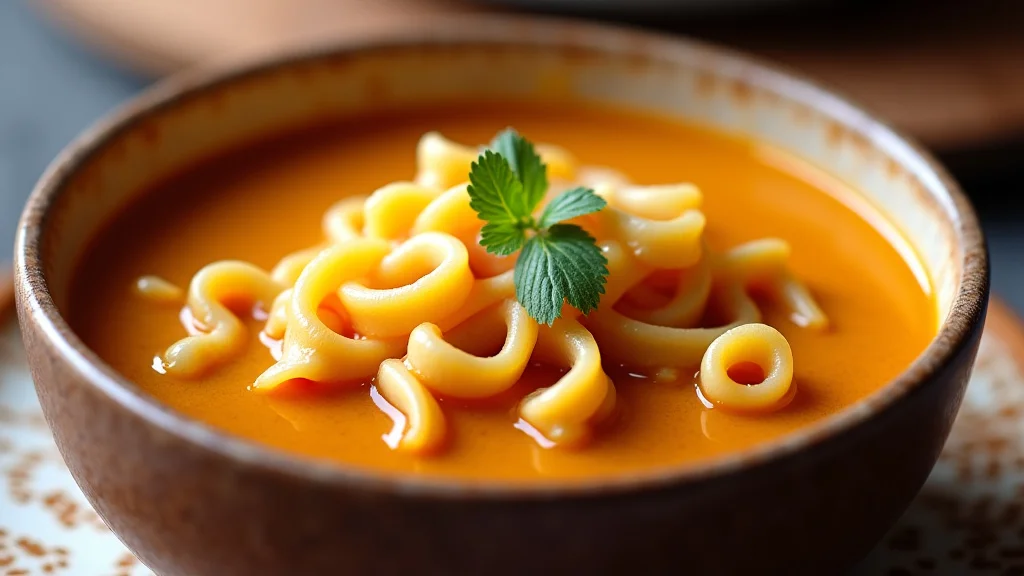
Remember those chilly evenings when all you craved was a warm hug in a bowl? Maybe you were sick, or perhaps just feeling a little down. For me, it’s always been about my grandmother’s kitchen, the aroma of simmering broth, and the promise of a steaming bowl of chicken noodle soup. That childhood experience sparked a lifelong love for this classic dish. This guide is your passport to crafting the most delicious chicken noodle soup recipes homemade, so you can bring that same warmth and comfort into your own home. You’ll learn the secrets to perfect broth, tender chicken, and perfectly cooked noodles. You’ll also learn variations and tips to make it uniquely your own, increasing your skill and your confidence in the kitchen.
Key Takeaways
- Discover essential techniques for making flavorful chicken broth from scratch.
- Learn how to achieve perfectly cooked chicken, ensuring tender and juicy results.
- Explore various noodle options and find the perfect match for your soup.
- Understand the importance of fresh ingredients and how they elevate the taste.
- Find innovative variations and customization ideas to personalize your recipe.
- Gain valuable tips and tricks to avoid common chicken noodle soup pitfalls.
The Heart of Homemade Chicken Noodle Soup
The foundation of any great chicken noodle soup lies in its broth. It’s the lifeblood, the flavor base that carries all the other components. It’s what separates a mediocre soup from an extraordinary one. Commercially produced broths often fall short in depth of flavor. Making your own broth gives you full control. It allows you to tailor the flavor profile to your preference. Consider it your culinary canvas, where you can play with herbs, spices, and vegetables to create a symphony of taste.
Building the Perfect Broth
Creating homemade broth is an exercise in patience and precision. The process is straightforward, but the results are worth the wait. First, you’ll need a good quality chicken. This can be a whole chicken, chicken backs, or a combination of bones and meat. Next, gather your aromatics: onions, carrots, celery, garlic, and fresh herbs like parsley and thyme. These are the key players in building layers of flavor.
The key to a rich broth is slow simmering. You want to gently extract the flavors from the chicken and vegetables without boiling them vigorously. This takes time, usually a few hours, but it’s crucial for developing depth. A gentle simmer allows for the release of gelatin from the bones, giving the broth a rich, velvety texture. Using a cheesecloth or a fine-mesh strainer will ensure a clear and refined broth. Skimming off any foam that rises to the surface during simmering also contributes to clarity.
- Choosing Your Chicken: A whole chicken yields the richest broth, but chicken backs and bones are excellent for budget-friendly options.
- Aromatics Essentials: Onions, carrots, celery, and garlic form the foundation. Feel free to add leeks, parsnips, or other vegetables.
- Herb Infusion: Fresh herbs like parsley, thyme, and bay leaves add aromatic complexity. Add them during the last hour of simmering.
- Slow Simmering: Simmer the broth gently for 2-3 hours to extract maximum flavor. Avoid boiling.
- Straining the Broth: Strain the broth through a fine-mesh sieve or cheesecloth to remove solids, resulting in a clear broth.
Broth Variations
Once you’ve mastered the basic broth, you can experiment with different variations. The addition of different vegetables and herbs can completely change the character of your soup. Consider adding ginger and lemongrass for an Asian-inspired flavor profile, or a touch of smoked paprika for a smoky depth. The possibilities are vast, and the experimentation is part of the fun.
For a richer, more complex broth, consider browning the chicken and vegetables before simmering. This caramelizes the sugars, adding a deeper flavor. To further enhance the flavor, roast the chicken and vegetables in the oven before adding them to the pot. This roasting process will add a nutty flavor. This adds a depth that is irresistible. Keep in mind that experimentation is the most fun part.
- Roasting for Flavor: Roast chicken and vegetables for enhanced depth.
- Spice it Up: Add chili flakes or a pinch of cayenne for a spicy kick.
- Asian-Inspired: Incorporate ginger, lemongrass, and soy sauce.
- Vegetarian Broth:
- Smoked Paprika: A touch of smoked paprika adds a smoky depth.
Chicken: The Star Protein
While the broth is the foundation, the chicken is the star of the show. Achieving perfectly cooked chicken in your chicken noodle soup recipes homemade is about more than just cooking. It’s about texture, flavor, and how it complements the other components of the soup. Overcooked chicken becomes dry and stringy, while undercooked chicken is a safety hazard. The goal is tender, juicy pieces that melt in your mouth and absorb the flavors of the broth.
Cooking Methods for Perfect Chicken
There are several methods for cooking chicken for your soup, each with its own advantages. The most common is poaching the chicken directly in the broth. This infuses the chicken with flavor while it cooks. It also ensures the chicken stays incredibly moist. Another option is to roast the chicken separately. This gives the chicken a golden-brown skin. It creates a slightly different texture and flavor profile.
Regardless of the method you choose, it’s important to avoid overcooking the chicken. The chicken should reach an internal temperature of 165°F (74°C) to ensure it is safe to eat. Once cooked, the chicken can be shredded or diced. The way you handle the cooked chicken makes a difference in the overall experience. Use two forks to shred the chicken. This creates a more appealing texture.
- Poaching in Broth: This method imparts the most flavor and keeps the chicken moist.
- Roasting: Roast chicken separately for a golden-brown skin and a different flavor profile.
- Shredding vs. Dicing: Shredded chicken absorbs more broth, while diced chicken has a more structured appearance.
- Cooking Time: Always cook to an internal temperature of 165°F (74°C) to ensure safety.
- Resting the Chicken: Allow the chicken to rest for a few minutes after cooking to retain moisture.
Chicken Variations
Don’t be afraid to experiment with different cuts of chicken. While chicken breasts are a popular choice, chicken thighs are inherently more flavorful and stay moist. Consider using a combination of both for a balance of textures and flavors. You can also explore different marinades and seasonings to give your chicken a unique twist. A touch of lemon zest or a sprinkle of smoked paprika can add a delicious layer of complexity.
For a shortcut, use rotisserie chicken. This provides a flavorful, already-cooked protein, allowing you to prepare the soup quickly. You can also use leftover roast chicken. This reduces food waste. In the end, it’s about finding what suits your palate and your time constraints.
- Chicken Breasts: Lean and versatile, perfect for shredding.
- Chicken Thighs: More flavorful and stay moister than chicken breasts.
- Rotisserie Chicken: A quick and convenient option, saving time.
- Spices and Marinades: Experiment with different seasonings to create unique flavors.
- Leftover Chicken: Make use of leftover roasted chicken to reduce food waste.
Noodles: The Cozy Element
The noodles are the heart of the comfort element in chicken noodle soup recipes homemade. They soak up the delicious broth, adding texture and substance to the soup. The choice of noodles can significantly affect the soup’s overall taste and feel. The perfect noodle will balance the soup’s ingredients, both in texture and flavor. Selecting the right type of noodle makes all the difference.
Noodle Types and Their Impact
There are many noodle choices. Egg noodles are the traditional choice. They have a rich, slightly chewy texture and a subtle flavor that complements the chicken and broth. You can buy them fresh, dried, or frozen. Each type has its pros and cons. Fresh noodles cook quickly, while dried noodles have a longer shelf life.
However, egg noodles aren’t the only option. Consider other choices like orzo, ditalini, or even whole wheat pasta for a healthier alternative. The best type of noodle is what your family and taste buds love the most. The noodle you choose should be able to hold its shape in the broth without becoming mushy. The cooking time should match the soup. Consider the texture and flavor of each option before adding it to the broth.
- Egg Noodles: The traditional choice, with a rich flavor and chewy texture.
- Orzo: A small, rice-shaped pasta that adds body to the soup.
- Ditalini: Small, tube-shaped pasta, perfect for scooping up broth.
- Whole Wheat Pasta: A healthier alternative, offering added fiber and nutrients.
- Cooking Time: Cook noodles separately to avoid overcooking or cook them in the broth towards the end to avoid them becoming mushy.
Avoiding Mushy Noodles
One of the most common pitfalls of homemade chicken noodle soup is overcooked, mushy noodles. Nobody wants that, so it’s important to take steps to prevent it. There are a few strategies you can use. First, cook the noodles separately and add them to the soup just before serving. This prevents them from soaking up too much broth and becoming soggy. Another option is to add the noodles toward the end of the cooking process.
You can also choose noodles that are more resilient. Pasta like orzo or ditalini holds their shape better. If you’re using egg noodles, choose a brand known for its quality. These noodles tend to hold their shape in the broth. Ultimately, it’s all about cooking the noodles just right and serving the soup promptly.
- Cook Separately: Cook noodles separately and add them to the soup just before serving.
- Add Late: If cooking noodles in the soup, add them in the last 10-15 minutes.
- Choose Sturdy Noodles: Opt for pasta like orzo or ditalini, which hold their shape better.
- Don’t Overcook: Cook noodles al dente to prevent them from becoming mushy.
- Serve Promptly: Serve the soup immediately after adding the noodles to prevent them from over-absorbing broth.
Vegetables and Herbs: The Flavor Boost
Vegetables and herbs add the dimension and fragrance that makes chicken noodle soup recipes homemade so satisfying. They introduce texture, color, and depth to the soup, turning it into a complete and nutritious meal. Fresh ingredients are essential for creating the best possible flavor. Choosing the right combination of vegetables and herbs, and knowing how to cook them properly, makes a substantial difference in the soup’s success.
Vegetable Selection and Preparation
The classic vegetable trio for chicken noodle soup is carrots, celery, and onions. These vegetables create the base of the flavor profile, offering sweetness, earthiness, and a touch of sharpness. You can add other vegetables, too. Parsnips, leeks, and even mushrooms can add depth. Choose vegetables that are fresh and in season for the best flavor.
The way you cut the vegetables affects the overall feel. Dice the carrots, celery, and onions into similar sizes for even cooking and a pleasing appearance. Adding vegetables at different times allows you to control the textures of the soup. Tougher vegetables, such as carrots and celery, should be added earlier in the cooking process. More delicate vegetables, such as spinach or peas, should be added later. Consider browning the vegetables to add extra flavor.
- Classic Trio: Carrots, celery, and onions form the foundation.
- Texture Matters: Cut vegetables in a uniform size for even cooking.
- Timing: Add harder vegetables early and more delicate vegetables later.
- Flavor Infusion: Sauté vegetables before adding to the broth for deeper flavor.
- Freshness is Key: Use fresh, seasonal vegetables for the best taste.
Herb Selection and Flavor Profiles
Fresh herbs take chicken noodle soup to the next level. They add an aromatic complexity that dried herbs can’t match. Parsley, thyme, and bay leaves are the classic choices. They complement the flavors of the chicken and vegetables. Experiment with other herbs like rosemary or dill to give your soup a unique character.
Add herbs in stages to extract the most flavor. Add the bay leaves early, along with the broth. This allows the broth to gently absorb their aroma. Add the more delicate herbs, such as parsley and dill, towards the end of the cooking process. This preserves their brightness. Using fresh herbs elevates the taste of any chicken noodle soup recipes homemade, adding a layer of nuanced flavor that will have people asking for seconds.
- Classic Herbs: Parsley, thyme, and bay leaves are traditional choices.
- Adding Herbs: Add bay leaves early; add more delicate herbs towards the end.
- Experiment: Explore rosemary, dill, or other herbs.
- Fresh vs. Dried: Fresh herbs offer a more vibrant and nuanced flavor.
- Taste and Adjust: Season to taste, adjusting the herb quantities as needed.
Creating Your Own Chicken Noodle Soup Variations
Once you’ve mastered the core components of chicken noodle soup recipes homemade, you can begin to make your version. There are no limits to the creativity you can bring. A simple change of ingredients or a unique flavor combination can turn a classic dish into a personalized masterpiece. With your version, you can embrace the spirit of experimentation. This can make the process more fun and rewarding.
Global Flavor Inspirations
Consider drawing inspiration from around the world to transform your chicken noodle soup. For instance, you could take inspiration from Asian cuisine. Using ingredients like ginger, garlic, soy sauce, and star anise can create a delicious taste. The use of coconut milk and curry spices will bring an Indian-inspired twist to your soup. These combinations can turn a familiar dish into something new and exciting.
You can easily adapt your soup to incorporate various cuisines. In some cases, adding a pinch of saffron will bring in Mediterranean flavors. Think of different global influences that will turn your soup into a great culinary experience. Explore global flavors to make your chicken noodle soup a culinary adventure.
- Asian-Inspired: Use ginger, garlic, soy sauce, and star anise.
- Indian-Inspired: Add coconut milk, curry spices, and cilantro.
- Mediterranean: Use saffron, oregano, and olives.
- Mexican: Use chipotle peppers, cumin, and fresh cilantro.
- Experiment: Create your own fusion using different spice combinations and ingredients.
Dietary Adaptations
Chicken noodle soup is a versatile dish that can be easily adapted to meet various dietary needs. If you’re following a gluten-free diet, use gluten-free pasta or rice noodles. For vegetarians, remove the chicken and add more vegetables or beans. For those on a low-sodium diet, control the amount of salt used in the broth. This will let you customize the ingredients for any specific diet.
Adaptations ensure that everyone can enjoy this comforting dish. For individuals on a specific diet, the customization possibilities are abundant. Adapting your soup guarantees that all family members can have a delicious and comforting experience.
- Gluten-Free: Substitute gluten-free pasta or rice noodles.
- Vegetarian:
- Low-Sodium: Control salt and use low-sodium broth.
- Dairy-Free: Skip the dairy or use dairy-free alternatives.
- Considerations: Ensure your alterations align with any dietary restrictions.
Common Myths Debunked
Myth 1: Chicken Noodle Soup Cures Colds
While chicken noodle soup is a comforting dish when you’re sick, it doesn’t cure colds. The warm broth can help soothe sore throats, the chicken provides protein for recovery, and the hydration from the soup is beneficial. It may not cure a cold, but it can provide some relief from the symptoms, allowing your body to focus on healing.
Myth 2: Overcooking Noodles Makes Them Better
Overcooking noodles, in an effort to make them softer, leads to mushy, unappealing results. The ideal texture of noodles is “al dente,” which means “to the tooth” in Italian. They should be firm to the bite. When noodles are overcooked, they become soft and lose their texture. This can ruin your soup, so it is important to cook them the right way.
Myth 3: Store-Bought Broth Is Just as Good
Store-bought broth is convenient, but homemade broth brings more flavor. The flavor profile is customizable when you make your broth from scratch. Homemade broth is usually richer, deeper in taste, and healthier. The ingredients used in homemade broths often feature fresh, high-quality ingredients, resulting in a significantly better taste.
Myth 4: Chicken Noodle Soup Is Difficult to Make
Many believe that chicken noodle soup recipes homemade are hard to create. However, it’s a simple dish that can be made with basic cooking skills. The steps are straightforward. They involve simmering, adding ingredients, and allowing the flavors to mix together. Anyone can create this soup with the right guidance.
Myth 5: All Chicken Noodle Soups Are the Same
The truth is that chicken noodle soup recipes homemade can vary widely depending on the ingredients, seasonings, and cooking style. Variations can range from using different vegetables and herbs to adding a kick of spice. This dish allows for experimentation. It is a canvas for those who want to create their version.
Frequently Asked Questions
Question: How long does homemade chicken noodle soup last in the refrigerator?
Answer: Homemade chicken noodle soup can last for about 3-4 days in the refrigerator. Store it in an airtight container to maintain freshness and prevent the noodles from absorbing too much broth and becoming mushy.
Question: Can I freeze chicken noodle soup?
Answer: Yes, chicken noodle soup freezes well, but it’s best to freeze it without the noodles. The noodles tend to become mushy after thawing. Freeze the soup in an airtight container for up to 2-3 months. When ready to eat, thaw the soup completely and add cooked noodles.
Question: What’s the best way to reheat chicken noodle soup?
Answer: Reheat chicken noodle soup gently on the stovetop or in the microwave. If you’re reheating soup with noodles, add a little extra broth or water to thin it out if needed, as the noodles will absorb some liquid during reheating.
Question: What can I do if my soup is too salty?
Answer: If your soup is too salty, add more liquid, such as water or unsalted broth, to dilute the saltiness. You can also add some cut potatoes or a squeeze of lemon juice, as these can help balance the flavors.
Question: What’s the best noodle for chicken noodle soup?
Answer: Egg noodles are the traditional choice and often the best option because they hold their shape well and have a subtle flavor that complements the other ingredients. Other options include orzo, ditalini, or even whole wheat pasta.
Final Thoughts
Making chicken noodle soup recipes homemade is a rewarding experience. It provides comfort, nourishment, and a connection to the warmth of home. Through your own journey, you can see how each step, from creating the flavorful broth to selecting the perfect noodles, contributes to the final masterpiece. Embrace the joy of experimentation. You can easily adjust the recipe to your personal preferences. Don’t hesitate to explore different flavors, ingredients, and techniques. Making your own version is an act of love, one that is shared with those you care about. Put on an apron and start your adventure; the delicious results are worth the effort.