I get it. You’re staring at that tub of j robb protein powder, and the thought of another boring shake makes you want to hide under the covers. Been there! We’ve all been there. But what if I told you that your protein powder could be the star of some truly delicious meals? This post will transform your protein powder from a chore into a culinary adventure. You’ll discover incredible j robb protein powder recipes to keep you excited about your fitness goals and satisfied throughout the day. Get ready to ditch the bland and embrace flavor!
Key Takeaways
- Learn to create a variety of delicious protein powder recipes beyond basic shakes.
- Discover how to use protein powder in breakfast, lunch, and dinner.
- Understand the nutritional benefits of incorporating protein powder into your diet.
- Find easy-to-follow recipes suitable for different dietary needs and preferences.
- Explore creative ways to enhance your meals with protein powder’s versatility.
- Optimize your fitness gains by fueling your body with protein-packed foods.
Unleash Your Inner Chef With Protein Power
Forget the same old protein shakes! It’s time to explore the amazing versatility of j robb protein powder recipes and transform your fitness routine. Protein powder isn’t just for post-workout recovery; it’s a fantastic ingredient to boost the protein content and flavor of many meals. This section will guide you through using protein powder in unexpected ways, from morning pancakes to evening desserts. This exploration will show you how simple it is to add a protein boost to your diet and stay excited about your fitness journey.
Breakfast Recipes to Jumpstart Your Day
Start your day with a protein-packed meal that tastes great. It is a win-win! Making breakfast with protein powder allows you to stay full longer and provides sustained energy. This section will feature recipes that can be quickly prepared without sacrificing flavor or nutrition. Learn to make protein pancakes, waffles, and even breakfast muffins that will help you kickstart your metabolism and fuel your workout. These recipes are perfect for anyone seeking a convenient and satisfying breakfast option that supports their health goals.
- Protein Pancakes: Swap some of the flour in your pancake recipe for protein powder. This will give the pancakes a protein boost without changing the texture too much.
- Protein Waffles: Similar to pancakes, you can easily add protein powder to your waffle batter. Top with fresh berries and a drizzle of honey for a complete breakfast.
- Overnight Oats with Protein Powder: Combine oats, protein powder, milk (dairy or non-dairy), and your favorite toppings in a jar the night before. This makes for a quick and easy, high-protein breakfast.
- Protein Muffins: Bake protein powder into muffins for a grab-and-go breakfast option. Experiment with different flavors like chocolate, blueberry, or banana.
- Protein Smoothie Bowl: Blend protein powder with frozen fruits, yogurt, and a bit of liquid. Pour into a bowl and top with granola, seeds, and more fruit.
Incorporating protein into your morning meal is a way to set yourself up for success throughout the day. A study published in the American Journal of Clinical Nutrition found that high-protein breakfasts can reduce hunger and improve appetite control compared to low-protein breakfasts. This can help prevent overeating later in the day.
Lunch and Dinner Ideas to Power Your Body
Who said protein powder is only for breakfast? Expand your protein intake with creative recipes for lunch and dinner. Learn to integrate j robb protein powder recipes into savory dishes, such as soups, stews, and even homemade bread. These recipes will show you that protein powder is not just for sweet treats. This part will offer guidance on enhancing your regular meals with protein for a nutritional boost and a more satisfying experience.
- Protein-Packed Soup: Add protein powder to your favorite soup recipes. This works best with creamy soups where the powder blends seamlessly.
- Protein-Enriched Bread: Blend protein powder into your bread dough for extra protein. This is a great way to make sandwiches that sustain your energy.
- Protein-Boosted Pasta Sauce: Stir protein powder into your pasta sauce for an extra dose of protein, making your meals more nutritious.
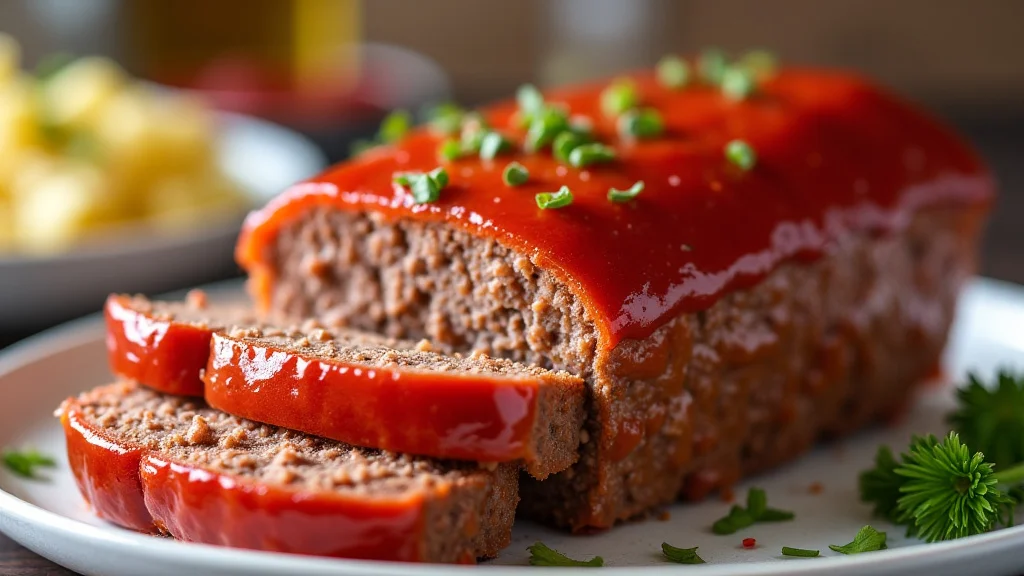
- Protein-Infused Meatballs: Mix a small amount of protein powder into your meatball mixture. This can improve the texture and protein content.
- Protein-Rich Yogurt Bowl: Layer yogurt with protein powder, nuts, seeds, and berries for a convenient lunch.
Adding protein to lunch and dinner can significantly influence your overall protein intake and support your muscle-building or weight-loss goals. A research paper published in the Journal of the Academy of Nutrition and Dietetics highlights the importance of adequate protein intake throughout the day for maintaining muscle mass and promoting satiety, which means you feel full longer.
Protein Powder Recipe Inspiration
Need more inspiration? Here are a few recipes designed to use j robb protein powder recipes in delicious and creative ways. These recipes cater to a variety of tastes and dietary preferences. From simple snacks to more elaborate dishes, you’ll discover new ways to enjoy protein powder and keep your nutrition fun and interesting.
Chocolate Peanut Butter Protein Smoothie
This smoothie is a perfect blend of taste and nutrition, satisfying your sweet tooth while providing a high dose of protein. It’s quick to prepare and ideal for a post-workout recovery or a quick meal on the go.
- 1 scoop of j robb protein powder (chocolate flavor)
- 1 cup unsweetened almond milk
- 1 tablespoon peanut butter
- 1/2 frozen banana
- Ice cubes (optional, for thickness)
Blend all ingredients in a blender until smooth. Adjust the consistency with more milk or ice as needed. This smoothie is a rich source of protein and healthy fats, providing essential nutrients for muscle recovery and overall health. The healthy fats from peanut butter help you feel full and satisfied.
Protein Pancakes with Berries
Start your day with these fluffy protein pancakes, a healthy and delicious alternative to traditional pancakes. These pancakes are packed with protein, making them an excellent choice for a sustained energy breakfast. These pancakes are perfect for those mornings when you want a tasty, hearty meal that aligns with your fitness goals.
- 1/2 cup rolled oats
- 1 scoop j robb protein powder (vanilla or unflavored)
- 1 egg
- 1/2 cup milk (dairy or non-dairy)
- 1/2 teaspoon baking powder
- Pinch of salt
- Fresh berries for topping
Blend all ingredients in a blender until smooth. Heat a lightly oiled griddle or pan over medium heat. Pour 1/4 cup of batter onto the hot griddle for each pancake. Cook for 2-3 minutes per side, or until golden brown. Serve hot with fresh berries and a drizzle of honey or maple syrup.
Protein-Packed Overnight Oats
This recipe is great for busy mornings. Prepare these overnight oats the night before, and you’ll have a grab-and-go breakfast waiting for you. This quick and easy meal provides lasting energy and satisfies your hunger, making it an ideal choice for any busy lifestyle. It’s a convenient way to get a protein boost.
- 1/2 cup rolled oats
- 1 scoop j robb protein powder (any flavor)
- 1 cup milk (dairy or non-dairy)
- 1 tablespoon chia seeds
- 1/4 cup berries or other toppings
- Optional: a dash of cinnamon or a teaspoon of honey
Combine all ingredients in a jar or container. Stir well and place in the refrigerator overnight. In the morning, top with additional berries, nuts, or seeds. Overnight oats offer a convenient way to start your day with a high-protein meal.
The Benefits of J Robb Protein Powder
Understanding the benefits of protein powder can help you use it effectively in your diet. It can assist in building and repairing tissues, supporting muscle growth, and improving overall health. This section will explain the various advantages of using protein powder, helping you maximize the benefits for your health and fitness.
Muscle Growth and Recovery
Protein is a building block for muscles. Protein powder delivers amino acids essential for muscle repair and growth after workouts. This is because muscles are damaged during exercise, and protein helps to fix those damages. Protein supports muscle recovery and growth by delivering essential amino acids necessary for repair. This is especially helpful after workouts.
- Muscle Repair: Protein aids in repairing the micro-tears in muscle fibers that occur during exercise.
- Muscle Growth: Adequate protein intake promotes muscle hypertrophy, leading to larger, stronger muscles.
- Faster Recovery: Protein powder helps to reduce muscle soreness and speed up the recovery process after workouts.
- Improved Performance: Increased muscle mass leads to improvements in strength, endurance, and overall athletic performance.
Studies show that consuming protein after exercise is the best way to support muscle protein synthesis, essential for muscle recovery and growth. Research published in the Journal of Strength and Conditioning Research found that protein supplementation, combined with resistance training, significantly increases muscle mass and strength.
Weight Management
Protein powder can play a role in managing your weight. It helps to keep you feeling full, which is useful if you are trying to lose weight. Incorporating protein into your diet can help reduce your appetite and cravings, helping you eat less without feeling hungry. Protein can increase your metabolism and help you burn more calories. This can have a positive impact on your weight loss journey.
- Increased Satiety: Protein promotes feelings of fullness, helping you eat fewer calories throughout the day.
- Reduced Cravings: Protein can help decrease cravings for unhealthy, high-calorie foods.
- Metabolic Boost: Protein has a higher thermic effect, which means your body burns more calories digesting it compared to fats or carbohydrates.
- Preservation of Muscle Mass: When you lose weight, it’s easy to lose muscle mass as well. Consuming enough protein can help preserve muscle, leading to a better body composition.
Research suggests that a high-protein diet can lead to weight loss and improve body composition compared to diets that are low in protein. A study published in the American Journal of Clinical Nutrition showed that a higher protein intake increased satiety and reduced energy intake, leading to weight loss in overweight individuals.
Common Myths Debunked
There are many misconceptions about protein powder. This section will clear up common myths and give you the facts you need. It is essential to base your choices on real information rather than popular rumors. Debunking these myths will ensure you use protein powder correctly and safely to gain maximum benefits.
Myth 1: Protein powder is only for bodybuilders.
Answer: Not true. Protein powder is a useful tool for anyone, from athletes to those wanting to boost their daily protein intake. Anyone looking to maintain or build muscle mass, aid weight loss, or simply improve their overall health can benefit from protein powder.
Myth 2: Protein powder is harmful to your kidneys.
Answer: Not in healthy individuals. The belief that protein powder harms the kidneys is often exaggerated. If you have existing kidney problems, it’s essential to consult a healthcare professional. For those with healthy kidneys, protein powder, taken within recommended amounts, does not harm them.
Myth 3: Protein powder causes weight gain.
Answer: Protein itself does not cause weight gain. In fact, it can help with weight loss. Weight gain can occur if you consume too many calories. If you are consuming protein powder in addition to your normal diet and exceeding your daily calorie needs, you may gain weight.
Myth 4: You can’t get enough protein from food alone.
Answer: It is possible to get all the protein you need from whole foods like meat, fish, beans, and nuts. Protein powder makes it easier, especially if you have high protein needs or have dietary restrictions.
Myth 5: All protein powders are the same.
Answer: False. Protein powders vary greatly in quality, ingredients, and effectiveness. Some are better than others. It is important to look at the ingredients and quality of the protein powder you choose. It’s important to choose protein powders based on your dietary needs, whether you are vegetarian, vegan, or have any food intolerances.
Frequently Asked Questions
Question: How much protein powder should I take daily?
Answer: The amount of protein powder you should consume varies depending on your activity level, goals, and body weight. It’s generally recommended that active individuals consume 1.2 to 1.7 grams of protein per kilogram of body weight. For general health, a range between 0.8 to 1 gram per kilogram is often sufficient.
Question: Can I use protein powder if I’m lactose intolerant?
Answer: Yes, you can. There are lactose-free protein powders available, such as whey protein isolate, casein, soy, pea, and rice protein powders. Always check the label to ensure the product is suitable for your dietary needs.
Question: What’s the best time to take protein powder?
Answer: The best time to take protein powder depends on your goals. For muscle recovery and growth, it’s often recommended to consume protein within 30-60 minutes after a workout. You can also take protein powder with meals or as a snack to increase your protein intake throughout the day.
Question: Are there any side effects of taking protein powder?
Answer: In general, protein powder is safe for most people. However, some people may experience digestive issues like bloating, gas, or stomach cramps, especially if they are sensitive to certain ingredients. Choosing high-quality protein powder and following the recommended dosage can minimize these side effects.
Question: Can I
Answer: Protein shakes can be part of your meal plan, but they shouldn’t entirely replace meals. Meals should include a variety of nutrients, including carbohydrates, fats, and essential micronutrients. Protein shakes can supplement your diet but should not be the only source of nutrition.
Final Thoughts
So, you see, using j robb protein powder recipes opens a world of possibilities beyond just the basic shake. Whether you’re aiming to gain muscle, manage your weight, or simply boost your overall nutrition, protein powder is a useful tool. From quick breakfasts to satisfying lunches and dinners, you can easily incorporate protein powder into your meals. With a little creativity, your fitness goals will be more enjoyable. Experiment with the recipes, adjust them to your tastes, and discover your favorites. Don’t be afraid to try new combinations and find what works best for you. Make your fitness journey delicious and exciting by embracing the versatility of protein powder. Remember to listen to your body and enjoy the process. Fuel your body and have fun!