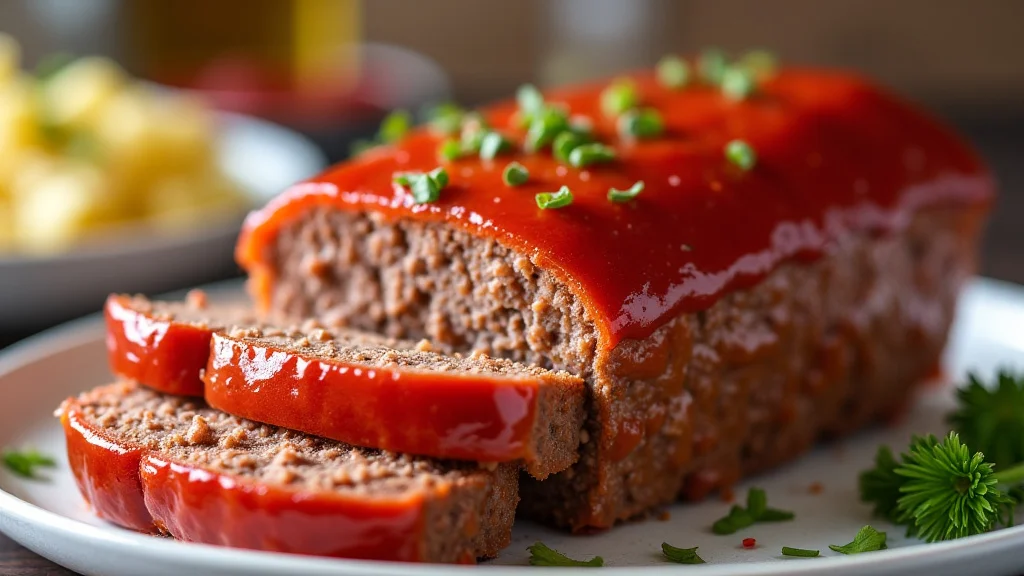
Remember Grandma’s kitchen, filled with the aroma of something delicious baking? Often, that scent was the promise of a perfectly cooked meat loaf. Those recipes, so popular in the ’59s, weren’t just about feeding a family; they were about comfort, tradition, and a little bit of magic. This post will transport you back to that era, guiding you through classic meat loaf recipes and showing you how to recreate those unforgettable flavors. You’ll learn the secrets to tender, flavorful meat loafs, discover variations, and gain the confidence to make a dish that everyone will love. Get ready to experience the nostalgia and learn some delicious recipes!
Key Takeaways
- Discover classic meat loaf recipes from the Fifties era.
- Learn about the key ingredients and techniques used to make a great meat loaf.
- Explore variations on the classic recipe to suit different tastes.
- Understand the importance of choosing the right ground meat and breadcrumbs.
- Get tips on perfecting the sauce and topping for your meat loaf.
- Learn how to serve and store your meat loaf for best results.
The All-American Meat Loaf: A Culinary Time Capsule
The 1950s were a time of culinary innovation in many ways, but in others, they looked back to earlier traditions. The meat loaf was a staple of the era. It was a budget-friendly way to feed a family, and it was adaptable, allowing for endless variations based on what was available. These recipes represent a time of resourcefulness and culinary simplicity, and they have stood the test of time, bringing joy to generations of people. This section will delve into the roots of the classic meat loaf and provide a glimpse into the cooking methods that made it so popular.
The Rise of the Meat Loaf: Origins and Popularity
The roots of the meat loaf can be traced back to European traditions, especially in Germany where a similar dish called “Hackbraten” was enjoyed. However, the American version gained significant popularity in the early 20th century, particularly during the Depression when it offered a way to stretch limited resources. By the 1950s, it had become a beloved dish, found in nearly every household. Cookbooks of the era were packed with meat loaf recipes, each family having their own special twists and variations. This dish represents a time of simplicity, and a time of creativity.
- Economic Factors: During and after WWII, meat supplies were rationed. Meat loaf was an excellent way to stretch limited meat.
- Convenience: It was a simple, easy meal to prepare, especially for busy families.
- Adaptability: Cooks could add ingredients based on preference and availability.
Key Ingredients and Techniques from the Fifties
The basic ingredients in a meat loaf recipe from the ’59s were relatively simple but crucial for its success. The right balance of meat, filler, binder, and seasonings was essential. The meat, typically a mixture of ground beef and pork, provided the core flavor. Breadcrumbs or crackers, acting as a filler, offered structure and moisture. Eggs served as a binder to hold everything together, while onions, celery, and a simple sauce added depth of flavor. The techniques used, such as gently mixing the ingredients and baking at a moderate temperature, helped create a tender and flavorful dish.
- Ground Meat Selection: A blend of beef and pork was common, around 80/20 lean to fat ratio.
- The Filler: Breadcrumbs, either dried or soaked in milk, were key for texture.
- The Binder: Eggs helped hold the loaf together and added moisture.
- Seasoning: Salt, pepper, onion, and maybe a dash of Worcestershire sauce.
- Sauce: Ketchup-based sauce, sometimes with brown sugar.
Classic Meat Loaf Recipe: A Step-by-Step Guide
Recreating a classic meat loaf recipe from the fifties involves following a few simple steps. The key is to start with high-quality ingredients and pay attention to the details. This section provides a detailed, step-by-step guide to help you make the perfect meat loaf, just like they did back then. It offers an easy-to-follow plan, from preparing the meat mixture to baking and serving the finished loaf. This recipe will make you feel like you are stepping back in time to the golden age of American comfort food.
Gathering Your Ingredients
Before you begin, make sure you have everything you need. This will streamline the cooking process and ensure a delicious outcome. Preparing the ingredients, such as chopping the onions and measuring out the spices, is also a great way to start. Remember, the quality of the ingredients directly affects the taste of the dish. Choose fresh vegetables and good-quality ground meat.
- 1.5 pounds of ground beef
- 0.5 pounds of ground pork
- 1 cup breadcrumbs
- 1 large onion, finely chopped
- 1 celery stalk, finely chopped
- 2 large eggs
- 1/4 cup ketchup
- 1 tablespoon Worcestershire sauce
- 1 teaspoon salt
- 1/2 teaspoon black pepper
- 1/4 cup ketchup (for topping)
Mixing the Meat Loaf
Carefully mixing the ingredients is the crucial step. It is important to avoid overmixing, which can result in a tough meat loaf. Gently combine the meat with the other ingredients, ensuring that everything is evenly distributed. Do not mix it too hard. Once the ingredients are well-mixed, you are ready to shape the loaf.
- In a large bowl, combine the ground beef and ground pork.
- Add breadcrumbs, chopped onion, celery, eggs, ketchup, Worcestershire sauce, salt, and pepper.
- Gently mix with your hands until everything is combined, taking care not to overmix.
- Incorporate the ingredients until just combined.
Baking and Serving
Baking the meat loaf at the correct temperature and for the right amount of time is critical. The internal temperature must be the key thing you need to focus on. Use a meat thermometer to ensure that the meat loaf is cooked to perfection. Let the meat loaf rest before slicing and serving. This allows the juices to redistribute, resulting in a juicier, more flavorful meal. This will set you on the path to making the perfect meat loaf.
- Preheat your oven to 350°F (175°C).
- Place the meat mixture in a loaf pan, shaping it into a loaf.
- Spread the remaining ketchup over the top.
- Bake for 60-75 minutes, or until the internal temperature reaches 160°F (71°C).
- Let the meat loaf rest for 10 minutes before slicing and serving.
Variations on the Theme: Recipes from Different Kitchens
While the basic meat loaf recipe is a classic, the beauty of this dish is its adaptability. Throughout the fifties, families created countless variations to suit their tastes and the ingredients they had on hand. This section explores several variations that add different flavors. From a cheesy version to one that is Italian-inspired, you can make the recipe work for your family. By experimenting with different seasonings, ingredients, and sauces, you can find the perfect meat loaf recipe that suits your family’s tastes.
Cheesy Meat Loaf
For cheese lovers, adding cheese to your meat loaf is a winning idea. Cheddar, mozzarella, or a blend of your favorites can be incorporated into the meat mixture or sprinkled on top during the last 15 minutes of baking. Cheese adds a rich, gooey element that takes the classic dish to a new level. It is a simple way to create a more savory and satisfying meal, perfect for any occasion.
- Cheese in the Mix: Add shredded cheddar or mozzarella to the meat mixture.
- Cheese on Top: Sprinkle cheese over the meat loaf in the last 15 minutes of baking.
- Cheese Choice: Experiment with different cheeses, like Gruyere or Monterey Jack.
Italian-Inspired Meat Loaf
If you’re craving Italian flavors, try this variation. Incorporate Italian seasonings, such as oregano, basil, and garlic. Add parmesan cheese and use tomato sauce instead of ketchup. This version is full of flavor and makes a delightful meal for the family. You can serve it with pasta and a green salad for a full Italian feast.
- Seasonings: Use Italian seasoning, dried oregano, and basil.
- Cheese: Add grated parmesan cheese to the mix.
- Sauce: Substitute tomato sauce for the ketchup.
- Meat: Consider using ground Italian sausage to boost the flavor.
Bacon-Wrapped Meat Loaf
For a truly decadent experience, consider wrapping your meat loaf in bacon. The bacon adds a smoky, salty flavor, keeping the meat moist. The combination of meat, bacon, and sauce is irresistible. You can either weave the bacon around the meat loaf or lay strips across the top before baking. It is a fantastic option for a weekend dinner or a special occasion.
- Bacon Weaving: Weave bacon strips around the entire loaf.
- Bacon Strips: Lay bacon strips across the top of the loaf.
- Baking Time: Baking time may need to be adjusted slightly to ensure the bacon is cooked.
Sides and Sauces: Complementing Your Meat Loaf
The perfect meal doesn’t end with the main course; the sides and sauces are just as important. They can enhance the flavors of the meat loaf, creating a balanced and satisfying meal. From mashed potatoes to green beans, there are many sides that pair well with meat loaf. The sauce you choose will also greatly influence the final taste. It can be a simple tomato-based sauce, or it can be a more complex creation with added ingredients.
Classic Side Dishes
Certain side dishes are classic pairings with meat loaf. Creamy mashed potatoes, with or without gravy, are a comforting choice. Roasted vegetables, such as carrots and potatoes, provide a wholesome counterpoint to the richness of the meat loaf. A simple green salad or steamed green beans offer a fresh, healthy balance. Consider choosing a few sides to complete your meal.
- Mashed Potatoes: A creamy, classic pairing with gravy.
- Roasted Vegetables: Carrots, potatoes, and other root vegetables.
- Green Salad: A fresh and light complement.
- Steamed Green Beans: Another great option.
Sauce Recipes and Ideas
The sauce plays a huge role in the final dish. The simplest option is a ketchup-based glaze, but there are plenty of others to explore. You might consider a gravy, made from pan drippings, for a rich flavor. For something a little different, try a mushroom sauce or a barbecue sauce. The right sauce can elevate your meat loaf from good to outstanding.
- Ketchup Glaze: Simple, classic, and always a winner.
- Brown Gravy: Made from pan drippings, it adds richness.
- Mushroom Sauce: Sautéed mushrooms in a creamy sauce.
- Barbecue Sauce: Adds a smoky, sweet touch.
Preserving the Flavor: Serving and Storage
After you have put in the effort to make a delicious meat loaf, it’s important to know how to serve it and store it properly. Serving it immediately after it’s been baked is ideal, but proper storage allows you to enjoy leftovers for days to come. Knowing how to store meat loaf properly will help retain its flavor. This section provides tips on serving and storing your meat loaf, ensuring that you can enjoy every last bite.
Serving Suggestions
The presentation matters. Slice the meat loaf neatly, and arrange it on a serving platter. Garnish with a sprig of parsley or a sprinkle of paprika for added visual appeal. Serve the meat loaf with your chosen side dishes and sauce. Make sure you slice and serve with the proper tools. This elevates your home-cooked meal into a dining experience.
- Slice Neatly: Use a sharp knife for clean slices.
- Garnish: Add a touch of parsley or paprika.
- Serve Immediately: The meat loaf tastes best when fresh.
Storage Tips
Proper storage is important to retain the flavor of the meat loaf. Allow the meat loaf to cool completely before storing it. Wrap it tightly in plastic wrap or place it in an airtight container. Properly stored meat loaf can last in the refrigerator for up to four days. You can also freeze meat loaf. Make sure to wrap it well to prevent freezer burn. Knowing how to store food is important.
- Cool Completely: Allow the meat loaf to cool before storing.
- Wrap Tightly: Use plastic wrap or an airtight container.
- Refrigerate: It can be stored in the refrigerator for up to 4 days.
- Freeze: Wrap well to prevent freezer burn.
Common Myths Debunked
There are several myths surrounding the meat loaf recipe. These myths can sometimes make people uneasy about trying to make their own. This section clears up some of these common misconceptions. By dispelling these myths, this section will help you build your confidence in the kitchen. Learning the truth will allow you to confidently create and enjoy a delicious meat loaf.
Myth 1: Meat Loaf is Difficult to Make
Contrary to the myth, meat loaf is not a difficult dish to make. It involves simple steps and basic ingredients. With clear instructions, anyone can make a delicious meat loaf. The key is to follow the recipe carefully and be sure not to overmix the ingredients. The recipes from the fifties are straightforward. If you start with a good recipe and pay attention to the details, you can make meat loaf successfully every time.
Myth 2: Meat Loaf is Always Dry
The notion that meat loaf is always dry is not true. This is often the result of using too much lean meat or overcooking the loaf. Adding breadcrumbs, eggs, and using a sauce can retain moisture. Baking the meat loaf to the correct internal temperature is key to keeping it moist and preventing it from becoming dry. With a little care, you can create a moist, flavorful meat loaf.
Myth 3: Meat Loaf Requires Special Ingredients
The belief that you need unusual ingredients is false. Most meat loaf recipes from the fifties use everyday ingredients. The staples are ground meat, breadcrumbs, eggs, onions, and basic seasonings. You can easily find these ingredients at any grocery store. The simplicity of the ingredients is one of the reasons why the meat loaf recipe became so popular. It allowed people to create a delicious, affordable meal.
Myth 4: You Must Use a Specific Meat Blend
The idea that a specific blend of meat is a must is not completely true. While a combination of beef and pork is traditional, you can adapt your meat choices to your preferences. You can experiment with different types of meat. The flavor profile will change, but you can still achieve a delicious result. The most important thing is to ensure a good balance of flavor and fat.
Myth 5: Leftover Meat Loaf is Never Good
The belief that leftover meat loaf is not good is incorrect. Properly stored meat loaf can be just as delicious the next day. The flavors often meld together over time, making it even better. Leftover meat loaf can be enjoyed cold or reheated. You can also use it in sandwiches or other dishes. If you use good storage methods, you will be able to enjoy the meal more than once.
Frequently Asked Questions
Question: Can I substitute ground turkey or chicken for ground beef in my meat loaf?
Answer: Yes, you can. You may need to add a bit more fat to prevent the meat loaf from drying out. Using a combination of ground turkey or chicken and ground pork can help add flavor and moisture.
Question: How do I prevent my meat loaf from cracking?
Answer: Avoid overmixing the ingredients, as this can toughen the meat and cause cracks. Also, make sure the oven temperature is not too high, as this can cause the meat loaf to cook too quickly on the outside, leading to cracks.
Question: What’s the best way to reheat leftover meat loaf?
Answer: The best method is to reheat in the oven at a low temperature (around 325°F or 160°C) until heated through. You can also reheat it in a skillet with a little water or broth to keep it moist.
Question: Can I freeze cooked meat loaf?
Answer: Yes, you can. Wrap it tightly in plastic wrap and then in foil or place it in a freezer-safe container. It should last for about 2-3 months.
Question: What can I do if my meat loaf is too dry?
Answer: If your meat loaf is too dry, try serving it with a generous amount of sauce or gravy. You can also add a little extra moisture to the meat mixture next time by adding more liquid, such as milk or broth.
Final Thoughts
Exploring meat loaf recipes like those made in the ’59s can be a wonderful experience. It’s about more than just cooking; it’s about connecting with a time when family meals were central. The process of preparing the meat loaf, from mixing the ingredients to savoring the first bite, brings a sense of comfort and tradition. The adaptability of the recipes allows for endless creativity, giving you the ability to add your unique flavors. Remember that it’s okay to experiment with different ingredients, seasonings, and toppings. Don’t be afraid to add your personal touch. By following these suggestions, you can master the art of the classic meat loaf and bring the taste of the fifties into your own kitchen. Start cooking and enjoy the journey!