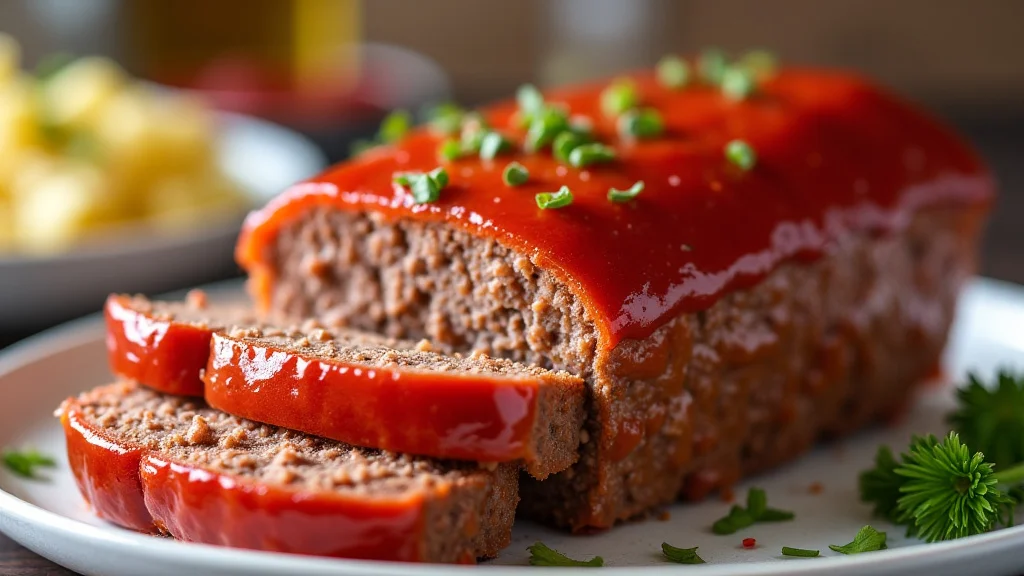
I was staring blankly into my pantry the other day, the usual dilemma of “what’s for dinner?” hitting me hard. We’ve all been there, right? The fridge is stocked, but inspiration is nowhere to be found. Scrolling endlessly through social media for food ideas only adds to the confusion. This post is your escape from that food rut. We’ll explore some fantastic recipes to try, perfect for any skill level and craving. Get ready to discover new flavors and add some exciting meals to your repertoire! You’ll gain a wealth of delicious ideas, improve your cooking confidence, and banish boring meal times for good.
Key Takeaways
- Discover simple yet flavorful recipes to try that are perfect for any occasion.
- Learn about essential cooking techniques to elevate your culinary skills.
- Find out how to adapt recipes to suit your dietary needs and preferences.
- Explore diverse cuisines and exciting flavor combinations.
- Gain tips on meal planning and making the most of your ingredients.
- Get inspired to experiment in the kitchen and enjoy the cooking process.
Unveiling Quick and Easy Meal Ideas
Let’s face it: we’re all busy. Finding time to cook a delicious meal can feel like a Herculean task. However, it doesn’t have to be. This section focuses on quick and easy recipes to try that will get dinner on the table in a flash. These are perfect for those weeknights when you’re short on time but still want a home-cooked meal. We’ll cover everything from one-pan wonders to lightning-fast pasta dishes, ensuring that even the busiest of cooks can enjoy a tasty and satisfying dinner.
One-Pan Wonders for Minimal Cleanup
One-pan meals are the ultimate convenience. They minimize cleanup and maximize flavor, making them a weeknight staple. The concept is simple: throw all your ingredients onto a single sheet pan, roast, and enjoy! This approach is flexible, allowing you to use whatever vegetables, proteins, and seasonings you have on hand. It’s a great way to use up leftovers and create something new. The flavors meld beautifully together as they roast, creating a cohesive and satisfying dish.
- Sheet Pan Chicken Fajitas: Toss chicken strips, bell peppers, and onions with fajita seasoning and roast until cooked. Serve with warm tortillas, your favorite toppings, and a dollop of sour cream or guacamole.
- Sheet Pan Salmon with Asparagus: Place salmon fillets and asparagus spears on a sheet pan, drizzle with olive oil, lemon juice, and seasonings, then bake until the salmon is cooked through and the asparagus is tender.
- Sheet Pan Sausage and Veggies: Combine your favorite sausages (Italian, chicken, or vegan) with chopped vegetables like potatoes, broccoli, and carrots. Season generously and roast until everything is tender and slightly caramelized.
Imagine coming home after a long day and knowing that dinner requires minimal effort. Sheet pan meals make that possible. They are also incredibly versatile. Feel free to adjust the ingredients to your preferences. The possibilities are endless. Experiment with different proteins, vegetables, and seasonings to discover your favorite combinations. This makes meal prep a breeze.
Speedy Pasta Dishes for Busy Evenings
Pasta is a lifesaver. It cooks quickly and is the perfect base for a variety of sauces and toppings. We’ll explore quick pasta recipes to try that go beyond plain marinara. Think creamy sauces, flavorful pesto dishes, and simple but satisfying combinations that can be ready in under 30 minutes. The key is to have your ingredients prepped and ready to go before you start cooking.
- One-Pot Pasta with Sausage and Spinach: Brown Italian sausage, then add pasta, water, spinach, and seasonings to the pot. Cook until the pasta is done, and the sauce has thickened.
- Creamy Tomato and Basil Pasta: Cook pasta, then toss with a simple sauce made from canned tomatoes, heavy cream, and fresh basil. Add some grated Parmesan cheese for extra flavor.
- Pesto Pasta with Cherry Tomatoes: Cook pasta and toss with pesto, halved cherry tomatoes, and a sprinkle of pine nuts. This is a light and flavorful option.
Pasta’s versatility is one of its greatest strengths. It can be dressed up or down, making it suitable for any occasion. Have fun experimenting with different types of pasta, sauces, and toppings to create your own signature dishes. A well-stocked pantry with pasta, canned tomatoes, and a few basic ingredients can be your secret weapon against weeknight dinner dilemmas.
Exploring Globally Inspired Recipes to Try
Expand your culinary horizons with a collection of global recipes to try! These dishes represent diverse cultures and cooking techniques. We’ll explore recipes from around the world that are relatively simple to replicate at home. From the fragrant spices of Southeast Asia to the comforting stews of Latin America, there’s something for everyone. This section will introduce you to new ingredients and techniques, expanding your culinary repertoire.
Taste of Asia: Curries and Stir-Fries
Asian cuisine is celebrated for its complex flavors and vibrant colors. Curries and stir-fries are a great way to explore this cuisine at home. These dishes often feature a balance of sweet, sour, salty, and spicy flavors. They are also highly adaptable, allowing you to use a variety of vegetables, proteins, and sauces. Learning a few basic techniques will allow you to create endless variations.
- Easy Chicken Curry: Sauté onions, garlic, and ginger, then add chicken, curry powder, coconut milk, and vegetables. Simmer until the chicken is cooked through and the vegetables are tender. Serve with rice.
- Vegetable Stir-Fry with Peanut Sauce: Stir-fry your favorite vegetables with soy sauce, ginger, and garlic. Toss with a homemade peanut sauce for a delicious and flavorful meal.
- Pad Thai: Soak rice noodles, then stir-fry with tofu or shrimp, bean sprouts, peanuts, and a sweet and tangy tamarind sauce.
These dishes are a great way to introduce new flavors and textures into your meals. Don’t be afraid to experiment with different spices and sauces to discover your favorite combinations. Consider using a wok for stir-fries, as it allows for high-heat cooking and even cooking. Remember that the key to a good curry or stir-fry is fresh ingredients and balanced flavors.
Latin American Flavors: Tacos and More
Latin American cuisine is characterized by bold flavors, fresh ingredients, and a vibrant atmosphere. Tacos are just the beginning! This section will provide recipes for traditional dishes from Mexico, as well as flavors from South and Central America. These recipes are often simple to make, making them perfect for weeknight meals or casual gatherings. Embrace the warmth and spice of this flavorful cuisine.
- Classic Tacos: Choose your favorite protein (ground beef, chicken, or fish) and season with taco seasoning. Serve in warm tortillas with your favorite toppings like salsa, guacamole, and shredded cheese.
- Chicken Enchiladas: Fill tortillas with shredded chicken and cheese. Roll them up and place them in a baking dish. Pour enchilada sauce over the top and bake until bubbly.
- Black Bean Soup: Sauté onions, garlic, and peppers, then add black beans, broth, and seasonings. Simmer until the flavors meld, then serve with a dollop of sour cream or avocado.
The beauty of Latin American cuisine is its emphasis on fresh, simple ingredients. Don’t be intimidated by the ingredients. Many are readily available at your local supermarket. Make sure you use fresh herbs, such as cilantro, to brighten the flavors of your dishes. The possibilities are endless when it comes to customizing these dishes to your liking.
Adapting Recipes to Suit Your Needs
Dietary restrictions and preferences are more common than ever. This section focuses on how to adapt recipes to try to meet your individual needs. We’ll explore how to make substitutions for ingredients, how to alter cooking methods, and how to create dishes that are gluten-free, vegetarian, or vegan. Cooking shouldn’t be restrictive; it should be flexible and enjoyable. You can tailor recipes to suit your lifestyle.
Making Substitutions for Dietary Restrictions
Many people have specific dietary needs. It’s often necessary to make adjustments to recipes. Whether you’re avoiding gluten, dairy, or certain meats, there are usually easy substitutions you can make. The key is to find alternatives that replicate the flavor and texture of the original ingredients. This requires a bit of experimentation, but the results can be delicious.
- Gluten-Free: Substitute wheat flour with gluten-free flour blends, almond flour, or coconut flour.
- Dairy-Free: Use plant-based milks (almond, soy, oat, coconut) for milk.
- Vegetarian/Vegan: Substitute meat with plant-based protein sources like tofu, tempeh, beans, or lentils. Use vegetable broth instead of chicken or beef broth. Use vegan cheese and other substitutes.
When making substitutions, it’s important to understand the role of each ingredient in the original recipe. Some substitutions will require more adjustments than others. Do not be afraid to experiment. Start with small changes and adjust the recipe as needed to achieve the desired result. With a little practice, you can transform almost any recipe to meet your dietary needs.
Creating Vegetarian and Vegan Options
Vegetarian and vegan diets are becoming increasingly popular. Many people are looking for ways to reduce their meat consumption. This section shows how to create delicious vegetarian and vegan meals. The focus is on incorporating plant-based protein sources, flavorful vegetables, and exciting flavor combinations. This is not about sacrificing flavor or satisfaction; it is about expanding your culinary horizons.
- Vegetarian Chili: Use a combination of beans, vegetables, and spices to create a hearty and flavorful chili. Top with your favorite vegetarian toppings like avocado and sour cream (or vegan sour cream).
- Vegan Curry: Make a coconut milk-based curry with vegetables, tofu, or chickpeas. Use a variety of spices to create a flavorful and aromatic dish.
- Lentil Soup: Lentils are a great source of protein and fiber. Combine them with vegetables, herbs, and spices for a simple and satisfying soup.
Vegetarian and vegan cooking can be incredibly rewarding. It allows you to explore new ingredients, flavors, and cooking methods. Use this opportunity to experiment with different cuisines and adapt existing recipes. You might discover some new favorites along the way. Remember that creativity is key, and the most delicious vegetarian and vegan meals are often the result of experimentation.
Mastering Cooking Techniques
Beyond the specific recipes to try, developing your cooking skills requires a foundation of essential techniques. These skills are valuable for all levels of cooks. This section will highlight some of the key techniques. From sautéing to roasting and braising, mastering these techniques will help you become a more confident and versatile cook. They’ll also allow you to create more complex dishes with ease.
Sautéing, Stir-frying, and Pan-Frying
Sautéing, stir-frying, and pan-frying are essential cooking methods. They involve cooking food quickly over medium to high heat. These techniques are ideal for a variety of foods, from vegetables to proteins. Understanding how to control the heat, add ingredients in the right order, and achieve the perfect level of browning are the key to success. Proper technique will enhance the flavor and texture of your dishes.
- Sautéing: Cook food in a pan with a small amount of fat over medium heat. This is perfect for cooking vegetables, such as onions and peppers, until they are softened and slightly caramelized.
- Stir-frying: Cook food quickly over high heat, constantly stirring the ingredients. This is a great method for cooking vegetables and proteins in a wok.
- Pan-Frying: Cook food in a pan with a moderate amount of fat over medium-high heat. This is often used for proteins like chicken or fish, creating a crispy exterior and a tender interior.
The main thing is to get familiar with each technique. Choose the right pan and the right amount of heat. Ensure your ingredients are properly prepared before you begin. Practice is the key to mastering these techniques. With time and practice, you will learn to control the heat and timing for perfectly cooked food.
Roasting, Baking, and Grilling
Roasting, baking, and grilling are also essential methods. These techniques involve cooking food with dry heat. Roasting and baking are often done in an oven, while grilling uses direct heat from a grill. Understanding the correct temperatures and times for different ingredients will guarantee you successful results. Each method imparts a unique flavor and texture to your dishes.
- Roasting: Cook food in an oven at a higher temperature. This method is great for proteins, vegetables, and fruits.
- Baking: Cook food in an oven at a lower temperature, usually for a longer time. This is the process for making breads, cakes, and other baked goods.
- Grilling: Cook food over direct heat from a grill. This is ideal for meats, vegetables, and fruits, creating a smoky flavor.
When using these methods, it is essential to monitor the internal temperature of the food. Using a meat thermometer will ensure that your food is cooked to perfection. Experiment with different seasonings and marinades to enhance the flavor of your dishes. Understanding how these methods can transform ingredients will make you a more confident cook.
Planning and Preparation
Even the best recipes to try can feel overwhelming without some organization. This section gives you tips to simplify your cooking experience. We’ll cover meal planning, efficient ingredient prep, and ways to make the most of your leftovers. Being prepared will make cooking less stressful and more enjoyable. It will also help you save time and money.
Meal Planning for Success
Meal planning is a crucial step for efficient and enjoyable cooking. This involves planning out your meals for the week. Knowing what you’re going to cook ahead of time saves you the stress of making last-minute decisions. Meal planning helps you to avoid impulsive takeout orders. It also allows you to make more informed grocery shopping decisions.
- Create a Weekly Menu: Decide on your meals for the week. Consider your schedule and any dietary restrictions or preferences.
- Make a Grocery List: Compile a list of all the ingredients you need to purchase based on your menu.
- Prep Ingredients in Advance: Chop vegetables, marinate proteins, and pre-cook grains on the weekend to save time during the week.
Start with a simple meal plan and gradually increase its complexity. You can find many online resources that provide meal plans and grocery lists. This will improve your skills. Experiment with different recipes and create a rotation of your favorite meals. Over time, you’ll develop a meal planning routine that works for you.
Making the Most of Your Ingredients
Reducing food waste is good for the environment and your budget. This section will explore how to make the most of your ingredients. This involves using leftovers creatively, storing ingredients properly, and knowing how to adapt recipes to use up what you already have. This approach helps reduce waste and promotes resourcefulness in the kitchen.
- Repurpose Leftovers: Transform leftover chicken into chicken salad or use leftover roasted vegetables in a frittata.
- Store Ingredients Properly: Learn how to store different types of food to maximize their shelf life and prevent spoilage.
- Embrace “Use-It-Up” Days: Plan meals around ingredients that need to be used before they go bad. This reduces waste and encourages creativity.
When you have a better understanding of how your ingredients work together, you will become a more resourceful cook. By taking the time to plan your meals, store your ingredients effectively, and repurpose leftovers, you can minimize waste. This will help you save money. It will also help improve your overall cooking experience.
Common Myths Debunked
Myth 1: Cooking is Too Difficult and Time-Consuming
Many people are intimidated by cooking. They believe it is complicated. They also assume it takes too much time. The reality is that many delicious and healthy meals can be made with simple recipes to try in under 30 minutes. Once you master a few basic techniques, cooking becomes much easier. Meal planning and ingredient preparation can also significantly reduce the time spent in the kitchen. Even elaborate meals can be broken down into smaller tasks.
Myth 2: You Need Expensive Equipment to Cook Well
You don’t need a fancy kitchen. Great cooking is not about having the latest gadgets. It’s about the quality of the ingredients and the techniques you use. A few basic tools, such as a good knife, a cutting board, a saucepan, and a skillet, are all you need to get started. Investing in quality ingredients and learning the core methods are more important than owning a lot of expensive equipment. Over time, you might choose to upgrade, but it’s not essential to enjoy the process.
Myth 3: Healthy Food Doesn’t Taste Good
Healthy food can be incredibly delicious! There are many recipes to try that are both nutritious and flavorful. The key is to use fresh, high-quality ingredients, experiment with herbs and spices, and embrace different cooking methods. You can transform basic ingredients into flavorful and satisfying meals. Healthy eating is about balance. This means enjoying all types of food. Eating well should always be satisfying.
Myth 4: Cooking Requires Natural Talent
Cooking is a skill that anyone can learn. Some people might have a natural inclination, but anyone can improve their cooking skills. The key is practice, experimentation, and a willingness to learn. Follow recipes carefully, try new techniques, and don’t be afraid to make mistakes. Over time, you’ll gain confidence and develop your own style. Reading and watching videos can also help to elevate your skill.
Myth 5: Cooking is More Expensive Than Eating Out
While this can be true in some situations, cooking at home is often more affordable. Eating out is expensive. You’re paying for ingredients, labor, and overhead costs. Cooking at home allows you to control the ingredients. You can also tailor meals to your budget. Buying in bulk, planning your meals, and using leftovers are excellent ways to save money. The cost savings can be significant. This makes cooking a good choice for your wallet.
Frequently Asked Questions
Question: What’s the best way to start learning how to cook?
Answer: Start with simple recipes to try. Practice basic techniques, and don’t be afraid to make mistakes. Watch cooking videos or read cookbooks for inspiration and guidance. Gradually expand your skill set and try new dishes.
Question: How can I save time when cooking?
Answer: Meal planning, ingredient preparation (chopping vegetables ahead of time), and using one-pan or one-pot recipes are excellent ways to save time. Make smart use of your pantry ingredients and your time.
Question: What are some essential kitchen tools for a beginner?
Answer: A good chef’s knife, a cutting board, a saucepan, a skillet, a measuring cup, and measuring spoons are essential. Other tools include a mixing bowl and a wooden spoon.
Question: How do I prevent food from sticking to the pan?
Answer: Use the correct type of pan for the job. Heat the pan properly before adding food. Ensure you use the right amount of oil or fat. Make sure your ingredients are dry before cooking.
Question: How do I store leftovers?
Answer: Cool leftovers quickly. Store them in airtight containers in the refrigerator. Use them within 3-4 days. Label your containers to keep track of the date.
Final Thoughts
Cooking is a journey, not a destination. There are endless possibilities. This is your chance to experiment with new recipes to try and refine your culinary skills. Remember to start simple, embrace experimentation, and don’t be afraid to make mistakes. Each dish is a learning experience, and every meal is an opportunity to improve. The most important ingredient in any recipe is passion. So, gather your ingredients, turn on the heat, and start exploring. You’ll be amazed at the delicious meals you can create. Embrace the joy of cooking, and enjoy the delicious results!