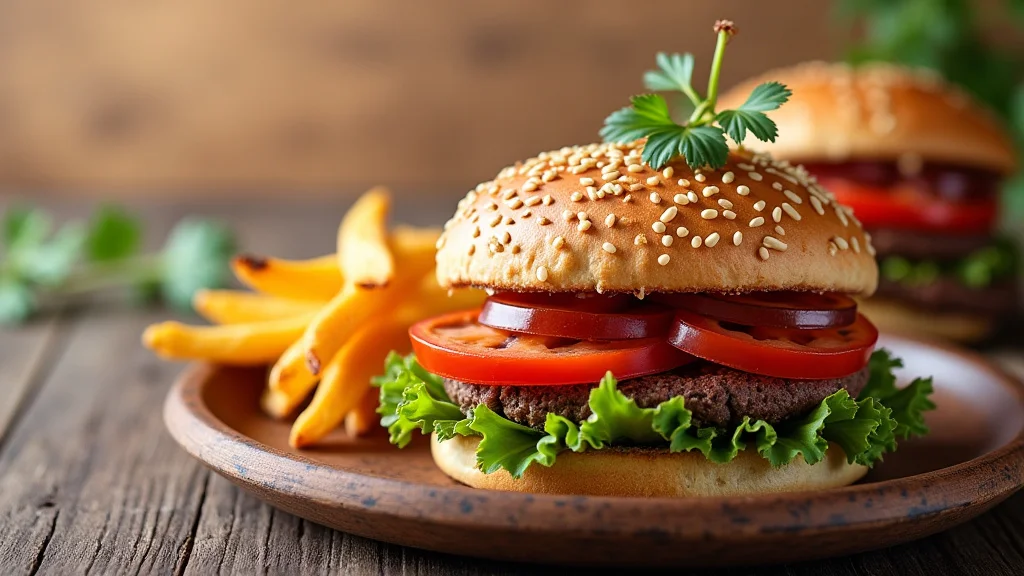
I was scrolling through social media the other day, completely mesmerized by a stunning photo of a creamy, chocolatey dessert. It looked absolutely divine, but the ingredients list? Filled with things I usually avoid. That’s when it hit me: I needed inspiration for delicious, satisfying meals that fit my preferences. So, I started exploring the world of all day i dream about food recipes, and boy, was I in for a treat! This post is your guide to discovering mouthwatering recipes, learning how to adapt them to your specific dietary needs, and finding new inspiration for your next culinary adventure. Get ready to experience food that you’ll be dreaming about too!
Key Takeaways
- Discover a wide variety of all day i dream about food recipes, catering to different tastes and dietary needs.
- Learn how to adapt recipes, making them perfect for your personal preferences.
- Understand the nutritional benefits of the ingredients used in these recipes.
- Find new ideas for breakfast, lunch, dinner, and even dessert.
- Explore tips and tricks for successful cooking, ensuring delicious results every time.
- Get inspired to create your own variations and put your unique spin on the recipes.
Explore Delicious All Day I Dream About Food Recipes
The phrase “all day i dream about food recipes” evokes a sense of anticipation and delight. It suggests a focus on culinary creations that are both satisfying and easy to incorporate into your regular meal planning. This approach emphasizes the importance of food in our daily lives, and the joy of finding recipes that excite your palate and nourish your body. The exploration of various recipe types can offer incredible flexibility, especially when dietary choices or limitations come into play. Many people are searching for recipes that are simple, tasty, and don’t require extensive preparation, which makes this approach even more appealing.
Breakfast Ideas for a Delicious Start
Starting the day with a satisfying breakfast sets the tone for your day. Finding recipes that are both tasty and suitable to your lifestyle can seem challenging. However, many options exist to give you the energy you need. This is a great opportunity to explore flavors and ingredients that energize and satisfy. Whether you favor sweet or savory, there are many opportunities to experience food that is both enjoyable and that provides a steady flow of energy throughout the morning. This could lead to a lasting effect on your mood and productivity.
- Fluffy Keto Pancakes: These pancakes, typically made with almond flour and other keto-friendly ingredients, are a great option for those trying to reduce their carbohydrate intake. They are surprisingly light and fluffy.
- Savory Egg and Vegetable Scramble: A protein-packed and versatile option, the scramble allows you to use your favorite vegetables and spices. You can cook the eggs in olive oil or butter to add flavor and texture.
- Chia Seed Pudding: Chia seed pudding is a simple, no-cook breakfast that you can prepare the night before. This recipe offers a good source of fiber, and protein and is very satisfying.
- Bulletproof Coffee: A coffee beverage blended with healthy fats, like MCT oil and butter, offers sustained energy and can help boost brain function.
To create these pancakes, combine almond flour, eggs, a touch of sweetener (like stevia or erythritol), and a leavening agent. The key to fluffy pancakes is a delicate touch when mixing the batter. They cook up perfectly on a lightly oiled griddle. These pancakes make a tasty breakfast that will keep you feeling full and energetic.
To make the scramble, first, sauté your preferred vegetables, such as bell peppers, onions, spinach, or mushrooms. Then, whisk eggs and season them with salt, pepper, and any other spices you like (such as garlic powder or paprika). Pour the eggs over the vegetables and cook, stirring occasionally, until the eggs are set. This is a nutritious, customizable, and time-saving option.
Combine chia seeds with your milk of choice (almond, coconut, or dairy), sweetener, and any desired flavorings (vanilla extract, cinnamon, or cocoa powder). Allow the mixture to sit in the fridge overnight so the chia seeds can absorb the liquid and create a pudding-like texture. Top with your favorite fresh fruits, nuts, or seeds.
To make bulletproof coffee, brew a cup of coffee. Add a tablespoon of MCT oil and a tablespoon of grass-fed butter or ghee. Blend everything in a blender for a few seconds until it becomes frothy. This breakfast is a good source of healthy fats. It also can help keep you feeling full longer.
Lunch Recipes to Keep You Going
Lunch doesn’t need to be a chore; it can be a highlight of your day. Finding recipes that are easy to prepare and enjoyable can make a big difference. It’s an opportunity to experiment with various tastes and ingredients, and it shouldn’t require many ingredients or long preparation times. Lunch can provide the energy you need to complete the rest of your workday. Enjoying a satisfying lunch can also have positive impacts on your mood and performance. Here are some lunch ideas.
- Chicken Salad Lettuce Wraps: These are a healthy and light alternative to traditional sandwiches. The base can be made with shredded chicken, mayonnaise, celery, and onion.
- Tuna Salad with Avocado: This is a simple, no-mayonnaise recipe. Avocado replaces mayonnaise, making it a healthy fat choice.
- Large Salad with Grilled Salmon: This recipe gives a balanced, nutritious meal that’s perfect for a satisfying lunch.
- Leftovers from Dinner: Repurposing dinner leftovers is a great time-saving strategy. Plan ahead by preparing extra portions the night before.
Prepare the chicken salad by combining the chicken with the mayonnaise, chopped celery, and onion. Add seasonings like salt, pepper, and maybe a dash of Dijon mustard. Serve the chicken salad in large lettuce leaves (butter lettuce or romaine work well). You can also add avocado slices or other toppings for extra flavor and nutrients.
Combine canned tuna (packed in water), mashed avocado, a squeeze of lemon or lime juice, and chopped red onion. Season with salt and pepper. Serve with your choice of crackers, vegetables, or eat it straight from the bowl. This lunch is quick to make and provides a good source of protein and healthy fats.
Grill the salmon fillet with your favorite spices. Prepare a large salad base of mixed greens, and add your favorite vegetables. Add the grilled salmon on top. This meal provides a good dose of omega-3 fatty acids, protein, and vitamins.
The best way to do this is to consider how your leftovers can translate into a tasty lunch the next day. This may mean portioning out your dinner and storing it in a container. It also may mean finding new ways to mix and match things to create a new experience. This strategy can eliminate the stress of planning and preparing a meal during the day.
Dinner Recipes for a Delightful Evening
Dinner is a great opportunity to enjoy a hearty, satisfying meal and to experiment with more involved recipes. It’s a chance to savor food and to create memories with your family and friends. This can include recipes that offer a balanced array of nutrients, or recipes designed for specific dietary needs. Dinner often allows for more creativity and can become a highlight of the day. This is a chance to unwind after a busy day and to experience a meal.
- Sheet Pan Chicken and Vegetables: This is a one-pan meal, which means less cleanup. Roasting chicken and vegetables on a single sheet pan is a time-saver.
- Zucchini Noodles with Pesto and Shrimp: A lighter pasta alternative, zucchini noodles offer a creative way to include vegetables in your meal.
- Slow Cooker Pot Roast: A classic comfort food meal. Slow cookers are excellent because they require minimal hands-on time.
- Salmon with Roasted Asparagus: Salmon and asparagus cook quickly. This is a great choice for a healthy dinner.
Chop your favorite vegetables (broccoli, bell peppers, onions, etc.) and toss them with olive oil, salt, pepper, and your preferred seasonings. Place the chicken pieces on the same sheet pan, season them, and roast everything in the oven until the chicken is cooked through and the vegetables are tender. This is a simple, delicious meal.
Spiralize zucchini into noodles. Sauté shrimp with garlic. Combine the zucchini noodles, shrimp, and pesto sauce. You can also add cherry tomatoes or other vegetables. This dinner is a good balance of flavors and nutrients.
Place a beef roast in the slow cooker with vegetables (carrots, potatoes, onions, etc.), beef broth, and seasonings. Cook on low for several hours until the beef is tender. This is a classic meal that is perfect for busy weeknights.
Season the salmon fillets and the asparagus with olive oil, salt, pepper, and other seasonings. Roast both in the oven until the salmon is cooked through and the asparagus is tender. This meal is packed with nutrients and offers a complete, nutritious meal.
Dessert Recipes to Satisfy Your Sweet Cravings
Dessert is often considered the highlight of the meal for those with a sweet tooth. It provides the chance to enjoy a delicious treat. It can also offer the opportunity to experiment with healthy ingredients and recipes. Many believe that desserts need to be avoided, but healthy alternatives allow you to enjoy a satisfying conclusion to your meal. This section offers ideas to create sweet recipes without sacrificing nutrition or your lifestyle choices. Here are some dessert ideas.
- Chocolate Avocado Mousse: This dessert combines healthy fats with a chocolate flavor. The avocado provides a creamy texture.
- Keto Chocolate Chip Cookies: These cookies use almond flour, sweetener, and sugar-free chocolate chips to create a delicious and low-carb treat.
- Berry Parfaits with Coconut Whipped Cream: Layer fresh berries with coconut whipped cream and a sprinkle of nuts for a simple, elegant dessert.
- Baked Apples with Cinnamon: A comforting, naturally sweet dessert. Baking apples with cinnamon and a touch of sweetener can create a flavorful treat.
Blend avocado with unsweetened cocoa powder, a sweetener (like stevia or erythritol), and vanilla extract. You can add a splash of almond milk or water to adjust the consistency. Chill the mousse for a while before serving for the best results.
Combine almond flour, a sweetener, an egg, baking soda, and sugar-free chocolate chips. Bake until golden brown. The cookies offer a familiar taste. You will be able to enjoy a satisfying dessert without compromising your health goals.
Whip chilled coconut cream until it is light and fluffy. Layer the whipped cream with fresh berries (strawberries, blueberries, raspberries) in a glass or bowl. Top with a sprinkle of nuts. This parfait is refreshing, colorful, and a healthy way to satisfy your sweet cravings.
Core apples and fill them with a mixture of cinnamon, sweetener, and chopped nuts. Bake in the oven until the apples are tender. The baked apples are warm, delicious, and a healthy option.
Adapting Recipes to Suit Your Needs
Adapting recipes allows for creativity and personalization. It empowers you to enjoy food that fits your lifestyle. Whether it’s accommodating a dietary restriction, enhancing a recipe with your favorite ingredients, or simplifying a recipe to save time, understanding how to adjust recipes is a valuable skill. It is an exploration of flavors, and textures, creating dishes that are both fulfilling and tailored to individual preferences. This means you can find recipes and alter them to fit your preferences. You will be able to enjoy cooking while making your meals unique to you.
Swapping Ingredients
Swapping ingredients can make a recipe suitable to different dietary requirements. It allows for the modification of recipes to suit preferences. It provides a means to eliminate undesirable ingredients, or to
- Sugar Substitutes:
These natural sweeteners offer a similar level of sweetness without the impact on blood sugar levels. Be mindful of the conversion rates, as different sweeteners have varying sweetness levels. You may need to experiment to find the ideal amount for your taste.
- Gluten-Free Flour Alternatives: Use almond flour, coconut flour, or a gluten-free flour blend in place of all-purpose flour. This is an essential swap for those with a gluten sensitivity.
- Dairy-Free Milk: Milk alternatives like almond milk, coconut milk, or cashew milk can replace cow’s milk. This is useful if you are sensitive to dairy or following a vegan diet.
- Meat Alternatives: Substitute meat with plant-based proteins such as tofu, tempeh, or lentils. This can be great if you’re trying to reduce meat intake.
The texture and baking characteristics of these flours vary. You may need to adjust the amount of liquid or use a binding agent like xanthan gum to achieve the correct consistency. This substitution ensures you still have the option to bake your favorite recipes.
Be aware that the taste and consistency of the dish will change. For certain recipes, like creamy sauces or baking, you may want to opt for full-fat coconut milk to obtain a richer texture. Ensure that the milk choice is unsweetened to control the sugar content of the dish.
The way the meal tastes and feels will change, but this is an option to increase nutrients. Different cooking methods are necessary for different options. It’s often necessary to marinate or season plant-based proteins to achieve a more appealing taste. This can be a satisfying alternative.
Adjusting Portion Sizes
Altering the amount of food on your plate can make a huge difference. By controlling portion sizes, you can reduce overall calorie intake. You can adapt the meals to meet your dietary goals. Here’s a detailed approach to understanding the methods for making your recipes fit what you are trying to accomplish.
- Smaller Plates: Using smaller plates can lead to a reduction of how much you eat. The brain can be tricked into thinking you are eating the same amount of food by filling the smaller plate.
- Measuring Ingredients: When preparing food, measure everything. Using measuring cups and spoons helps to ensure you are consuming the right amounts of ingredients.
- Dividing the Recipe: Before you eat, portion the meal, and eat only your portion. If there’s extra, store it away.
- Using Leftovers: Package up the extra food so you can use it later. This is great for managing what you consume.
This is a subtle but effective approach to portion control. By limiting the amount of food you can put on your plate, you can automatically eat less. This is useful at every meal to control the total number of calories you consume each day. The plate size can support your weight loss or weight maintenance plans.
It’s very easy to estimate, so using accurate tools can make a big difference. This is especially useful for high-calorie items such as oils, nuts, and cheeses. Measuring ingredients is critical for those following a specific diet plan that has a restricted calorie intake or needs to control macronutrient ratios.
Immediately dividing the recipe can help you from going back for seconds or overeating. Portioning will ensure you consume the planned amount of food. This is an easy tip to help manage portion sizes. It also stops your chance of emotional eating or mindless snacking.
Carefully storing your leftovers helps prevent overeating. This also makes a healthy meal available for later. The next time you’re about to snack, you’ll be able to have leftovers ready to go.
Adapting for Dietary Needs
Tailoring recipes to satisfy dietary needs is very important to your overall health and well-being. Whether you have a specific allergy, a health condition, or moral dietary restrictions, adapting recipes will let you enjoy flavorful food. It lets you take control of your diet. This will help you eat the food you enjoy while also maintaining your personal health preferences. Adaptations may include choosing gluten-free ingredients, swapping dairy-free ingredients, or utilizing recipes that meet your particular needs. These are all useful methods for adjusting your diet to better your health.
- Keto-Friendly Adjustments: Lower the carbohydrates in recipes to suit a keto diet. Focus on high-fat, moderate-protein, and very low-carb ingredients.
- Vegan Modifications: Remove all animal products, including meat, dairy, eggs, and honey. This requires creativity, but you can create satisfying and nutritious meals.
- Gluten-Free Recipes: Avoid ingredients containing gluten, like wheat, barley, and rye. There are alternatives like rice, corn, and gluten-free oats.
- Nut-Free Options: Avoid all nuts and products made with nuts. This requires careful attention to ingredients.
This may mean swapping ingredients like sugar, flour, and starchy vegetables for low-carb alternatives such as almond flour, erythritol, and non-starchy vegetables. It is critical to carefully monitor macronutrient intake and choose ingredients accordingly. These adaptations help you stay in ketosis and get the benefits of the keto diet.
Carefully read ingredient labels to make sure all ingredients are gluten-free. Substitute gluten-free flours in place of wheat flour in baking. It’s often necessary to add binding agents. Following a gluten-free diet can make your digestive system feel better.
Review the ingredients to make sure there are no nuts or nut products. Nuts are a source of protein and fat, so you will need to
The Nutritional Advantages of Ingredients
When you start to explore all day i dream about food recipes, you will discover recipes that utilize high-quality ingredients. The nutritional content of the ingredients in these recipes can enhance the taste. It can also help you achieve your health goals. This section will dive deep into the health benefits of many ingredients, which can help you eat food that is both delicious and good for you.
Healthy Fats
Adding healthy fats can enhance the flavor and nutritional value of your meals. These fats are useful to support brain health, and hormone balance, and they can support other functions of the body. Including healthy fats can also help you feel full, which may stop the urge to snack between meals. Many of these fats can be used in your recipes, and they all offer unique properties.
- Avocados: Rich in monounsaturated fats, and a source of fiber and vitamins, avocados are a nutritious and versatile ingredient.
- Coconut Oil: Coconut oil is a source of medium-chain triglycerides (MCTs), which can be metabolized quickly for energy. It offers antibacterial and antifungal properties.
- Olive Oil: A staple in the Mediterranean diet, olive oil is high in monounsaturated fats. It’s a source of antioxidants.
- Nuts and Seeds: Nuts and seeds offer a mix of healthy fats, protein, and fiber.
Monounsaturated fats are linked to heart health. Fiber promotes digestion, and the vitamins support overall health. Avocados can be used in smoothies, salads, or as a base for sauces, providing a smooth texture and creamy texture. Avocado is a great example of an ingredient that provides many health benefits.
MCTs can enhance energy levels and improve cognitive function. Coconut oil is great for cooking at high temperatures and can add a subtle, sweet flavor. It’s a great choice for those seeking a vegan diet. It’s also suitable for those looking for foods that provide quick energy and boost immunity.
Olive oil is associated with heart health and reducing inflammation. It can be used for cooking, dressing salads, or dipping bread. Extra virgin olive oil offers the most antioxidants, and the flavor is unmatched. It is a fundamental ingredient to a healthy diet.
Nuts and seeds can offer benefits. They offer benefits to heart health. They can reduce cholesterol, and regulate blood sugar. It is important to eat nuts and seeds. It is also important to eat them in moderation. Incorporating nuts and seeds into your recipes will add flavor and texture to your dishes.
Protein Powerhouses
Protein is essential for your body. It plays a role in building, repairing, and maintaining tissues. It also helps with the production of enzymes and hormones. It’s a fundamental part of a balanced diet, and consuming enough protein can lead to increased muscle mass, weight management, and satiety. The best sources of protein come from animal products and plant-based foods, all of which contain necessary amino acids.
- Chicken Breast: A lean source of protein that’s versatile and easy to prepare. It can be prepared in many ways.
- Salmon: Salmon is rich in protein and omega-3 fatty acids.
- Eggs: A good source of protein, choline, and essential nutrients.
- Lentils: A plant-based protein that’s rich in fiber. They are also a source of iron.
Chicken breast is low in fat, making it a great option. Chicken can be used for various recipes. It offers a good amount of protein, which can help you feel full, manage weight, and support muscle mass. This ingredient is versatile and can be cooked with a variety of methods and flavors.
Omega-3 fatty acids help support brain and heart health. Salmon is a source of high-quality protein and essential nutrients. It’s an important part of a nutritious diet.
Eggs are versatile and can be used in various recipes. They can be part of many breakfasts. Eggs are an easy, affordable, and nutritious way to include protein in your diet.
Lentils support digestion and manage blood sugar levels. They are a good source of fiber and protein. Lentils can be added to soups, stews, and salads. Lentils are a great option for vegetarians and vegans.
Fiber-Rich Foods
Fiber is essential for digestion. It helps regulate blood sugar levels. It also helps maintain a healthy weight. Eating food that is high in fiber can promote health. It is often necessary for good health. Fiber also helps you feel full. Foods rich in fiber are important in all diets.
- Berries: Berries are a good source of fiber, and antioxidants. Berries can support health and well-being.
- Vegetables: Many vegetables, like broccoli, spinach, and Brussels sprouts, are high in fiber and nutrients.
- Oats: Oats are a whole grain that’s rich in soluble fiber. Oats are great for your digestive health.
- Nuts and Seeds: Nuts and seeds offer fiber, healthy fats, and protein. They help with weight management, and they also support heart health.
Berries are a tasty addition to any recipe. Berries are low in sugar, while supporting heart health. Berries are nutritious and delicious, and they should be a part of any diet.
Vegetables help with health by offering a combination of nutrients. Vegetables should be part of every meal. Adding them to recipes is easy and can make your meals more fulfilling. It also helps with overall health.
Oats can help control blood sugar and lower cholesterol levels. Oats can be used for many recipes, such as oatmeal, granola, and baked goods. They’re a healthy, tasty way to include fiber in your diet.
Nuts and seeds can be added to many meals. They offer a texture, and they are high in fiber. Nuts and seeds can make any recipe much more tasty.
Common Myths Debunked
Myth 1: Healthy Eating Is Time-Consuming and Expensive
In reality, eating healthy can be cost-effective and does not need to consume a lot of time. Many basic recipes use affordable ingredients. Preparation can be simplified by making large batches of meals to eat over the course of the week. There are many options to eat healthily without spending a lot of money or time. Planning and preparing your food are important.
Myth 2: Eating Healthy Means Giving Up Flavor
This is wrong. Healthy food can be delicious and satisfying. By using various ingredients, spices, and cooking methods, you can create food that is flavorful and nutritious. You can easily add flavor by trying different ingredients, and methods. There are many options, so don’t be afraid to try some.
Myth 3: You Have to Be a Professional Cook to Make Healthy Meals
Healthy eating doesn’t require culinary skills. Many recipes are straightforward, with easy instructions. With simple methods, you can make healthy meals without much experience. There are recipes that everyone can make, even with minimal experience.
Myth 4: All Low-Fat Foods Are Healthy
Not always. Low-fat foods are sometimes packed with sugar, additives, and salt to enhance flavor. Paying attention to all ingredients and nutritional content is important. Focus on eating whole, unprocessed foods. This can help with your well-being.
Myth 5: Healthy Eating Is Restrictive and Unenjoyable
Healthy eating can be an exploration of new recipes and flavors. It is an opportunity to discover new things and cook recipes that you enjoy. Focus on balanced meals, and you will find that healthy eating is not as restrictive or unenjoyable as you might have thought. Instead, healthy eating allows you to build a good relationship with food.
Frequently Asked Questions
Question: How can I begin with all day i dream about food recipes?
Answer: Start by finding recipes that sound appealing. Begin with simple dishes, experiment with ingredients, and adapt to your preferences and dietary needs.
Question: What if I have allergies?
Answer: Adjust recipes by swapping ingredients. Find alternatives that work for you. There are many options for people with allergies, so you should be able to find something that is satisfying.
Question: Are these recipes appropriate for those with diabetes?
Answer: Yes, but it is important to check the ingredients. Many recipes can be adapted to be diabetes-friendly. Make sure that you are using low-sugar options, and that your blood sugar levels are within normal limits.
Question: Are there meal plans available?
Answer: Yes, there are many sources for meal plans. These plans offer ideas. You can use them to inspire your own cooking.
Question: How can I save time when preparing these recipes?
Answer: You can cook in batches, meal-prep, and use the leftovers from previous meals. These approaches can reduce time.
Final Thoughts
Exploring the world of all day i dream about food recipes is a journey of discovery. It opens the door to a world of deliciousness and satisfaction. By understanding how to adapt recipes to your preferences, you can create culinary experiences. You can also build a healthier relationship with food. From the joy of a perfect breakfast to the satisfaction of a delicious dessert, these recipes offer an array of benefits. The nutritional aspects of the ingredients can enrich your meals and boost your overall health. Remember, cooking doesn’t have to be hard. By trying new recipes, adapting them, and enjoying the process, you can create meals that you will look forward to every day. Now, go into the kitchen and start dreaming!