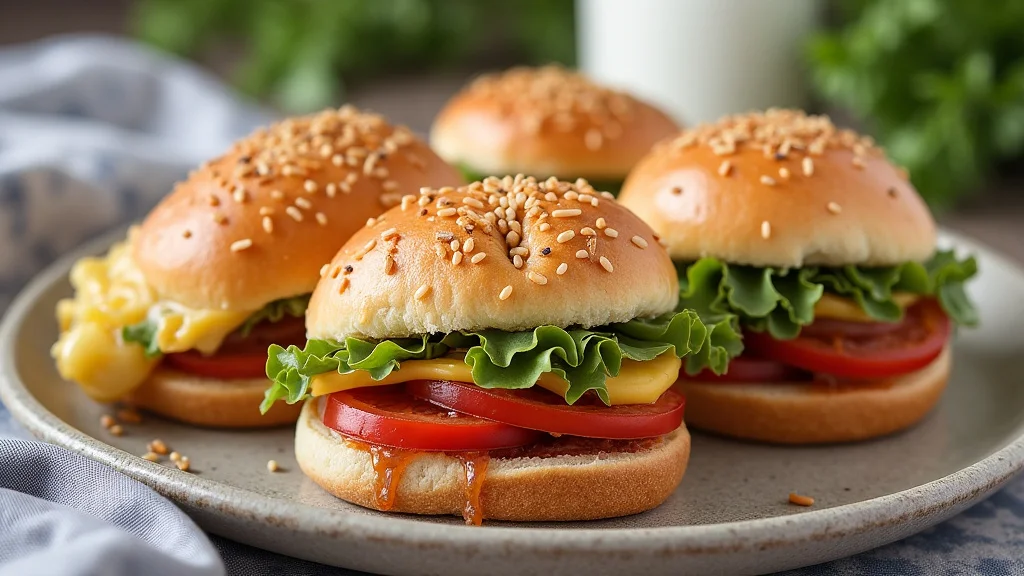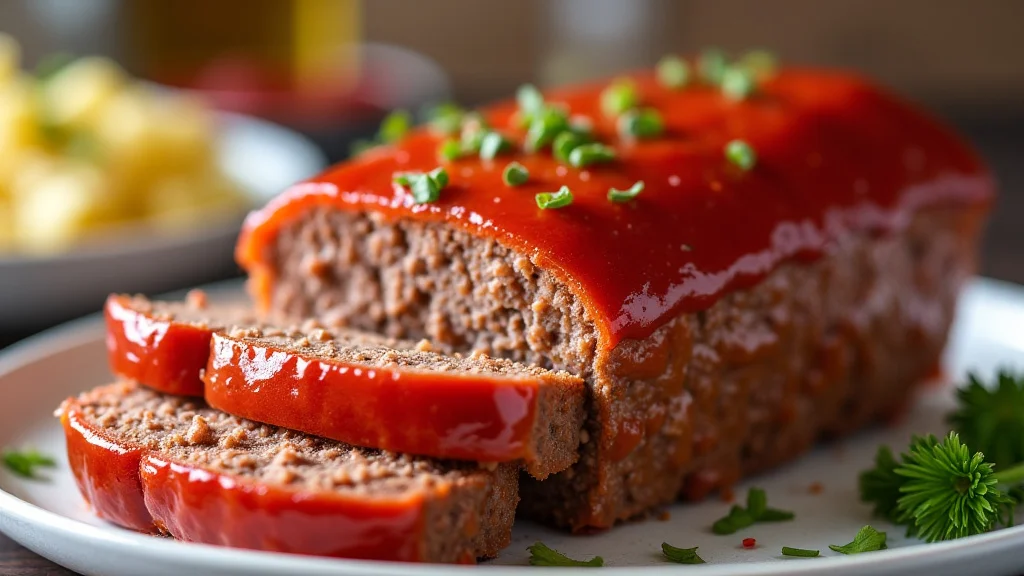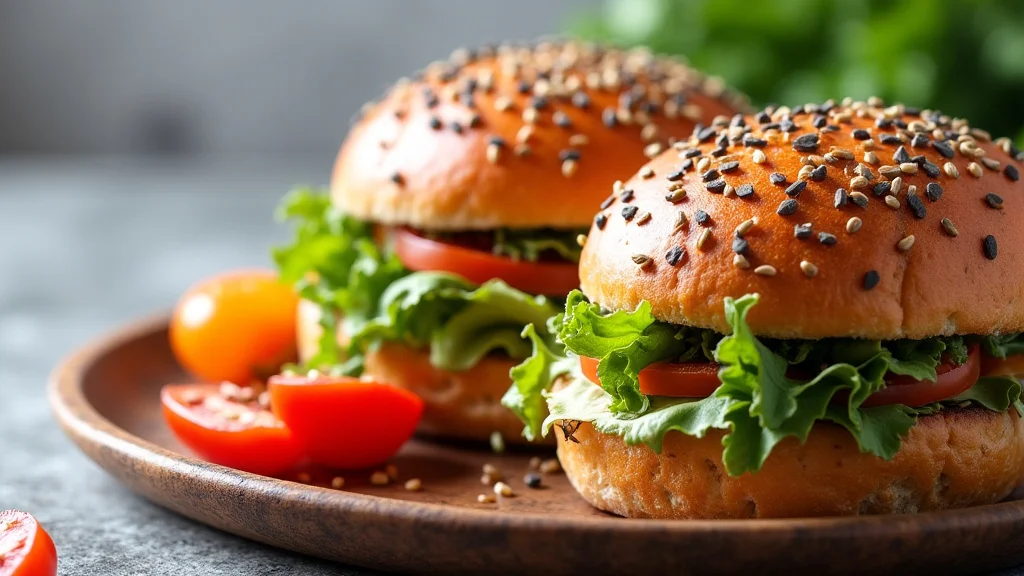
Ever feel like you’re stuck in a rut with your meals, especially when trying to watch your carb intake? Maybe you’re staring into your fridge, feeling hungry but unsure what to make. Perhaps you’ve been told about the benefits of eating fewer carbs and you want to try it out. This post is for you! We’ll explore the world of delicious 0 carb recipes that will keep you feeling satisfied and energized. You’ll learn how to create amazing meals, making eating healthy easier than you thought. Get ready to discover a range of tasty options that will transform your kitchen and your diet. Get ready to eat well and feel good without worrying about hidden carbs. This will show you how easy it is to adopt a 0 carb recipes lifestyle.
Key Takeaways
- Discover a wide variety of 0 carb meal ideas, from breakfast to dinner.
- Learn how to identify and use 0 carb ingredients in your everyday cooking.
- Find out how these recipes can support weight loss and improve overall health.
- Understand the nutritional benefits of a low-carb, 0 carb focused diet.
- Explore simple tips for meal prepping and planning to stick to your diet.
- Get inspired to create delicious and satisfying meals without carbohydrates.
Embracing the World of 0 Carb Recipes
The concept of 0 carb eating may seem restrictive at first. The goal is to focus on foods that have very little or no carbohydrates, allowing your body to switch into burning fat for energy. This is how you can achieve a state of ketosis, where your body turns fat into ketones to be used for fuel. There’s a lot of focus on carbs, but there are numerous delicious options that easily fit within these parameters, offering a satisfying and varied diet. By exploring these options, you’ll open up a whole new way of eating that’s both healthy and enjoyable, and the versatility of such meals might surprise you.
Understanding Carbohydrates
Before jumping into 0 carb recipes, it’s good to have a basic grasp of what carbs are. Carbohydrates are one of the three main macronutrients, alongside proteins and fats. They’re found in foods such as grains, fruits, vegetables, and dairy products. Carbohydrates are broken down into glucose, your body’s primary energy source. However, consuming excessive carbohydrates can lead to a variety of issues, including weight gain and blood sugar spikes. On a zero-carb diet, you will mainly consume foods that have little to no carbohydrates, which can lead to weight loss, more stable energy levels, and increased mental clarity.
- Simple Carbohydrates: These are sugars that your body digests quickly, such as those found in processed foods and sugary drinks.
- Complex Carbohydrates: These are starches and fibers that take longer to digest, such as those in whole grains and vegetables.
- Fiber: Fiber is a type of carbohydrate that your body cannot digest, promoting digestive health.
- Net Carbs: To determine the carb impact of foods with fiber, calculate net carbs.
Simple carbohydrates, also known as simple sugars, are single or double sugar molecules. They’re quickly broken down and absorbed by the body, leading to a rapid spike in blood sugar levels. Because of this quick digestion, these types of carbohydrates provide a short burst of energy followed by a crash. Examples include glucose, fructose (found in fruits), and sucrose (table sugar). Because they are rapidly metabolized, they are often linked to cravings and overeating. They have little to no nutritional value beyond providing energy, and excessive consumption is associated with weight gain, insulin resistance, and an increased risk of chronic diseases such as type 2 diabetes.
Complex carbohydrates are made up of long chains of sugar molecules, taking longer for the body to digest. These include starches and fiber. Starches are found in foods like potatoes, rice, and bread, while fiber is found in fruits, vegetables, and whole grains. They offer more sustained energy release compared to simple carbs, preventing rapid blood sugar spikes. Fiber, in particular, plays an important role in digestive health, promoting regularity and preventing constipation. Including complex carbs in a diet can provide essential nutrients and help you feel full, but in a zero carb diet, you will focus on their near-zero carb counterparts.
Fiber is a type of carbohydrate that cannot be digested. Fiber is vital for digestive health, helping to regulate bowel movements and prevent constipation. It also contributes to satiety, making you feel full for longer, which may assist in weight management. Fiber can also help to lower cholesterol levels and maintain stable blood sugar levels. There are two main types: soluble fiber, which dissolves in water and can help lower cholesterol, and insoluble fiber, which adds bulk to the stool and promotes regularity. Eating plenty of fiber has many health benefits, including reducing the risk of heart disease, type 2 diabetes, and certain types of cancer. Most zero-carb foods also have minimal amounts of fiber.
Net carbs are what’s left after you subtract the fiber content from the total carbohydrate count. Fiber is indigestible, so it doesn’t impact blood sugar levels as much. When following a low-carb or zero-carb diet, focusing on net carbs allows you to be more precise about the carbohydrates you’re consuming. You can easily calculate net carbs by looking at a food label, finding the total carbohydrates, and then subtracting the grams of fiber. For example, if a serving of food has 10 grams of total carbs and 5 grams of fiber, then the net carbs would be 5 grams. When measuring your 0 carb recipes, always take net carbs into account.
Key 0 Carb Food Groups
When you start to eat 0 carb recipes, you’ll soon discover the main food groups you can enjoy. These typically include different meats, fish, and certain fats. With a focus on these, you can easily create delicious meals while staying within your dietary goals. You will find that the flavors and textures of the foods will keep you on the track of your diet.
- Meats and Poultry: These are excellent choices, providing protein and essential nutrients.
- Fish and Seafood: Provide healthy fats and protein.
- Fats and Oils: Choose healthy fats like olive oil and avocado oil.
- Eggs: Offer versatility and protein.
Meats and poultry are staples in a zero-carb diet, providing high-quality protein, essential amino acids, and vital nutrients such as iron, zinc, and B vitamins. Options include beef, pork, lamb, chicken, turkey, and various game meats. They’re naturally low in carbohydrates, making them ideal for those aiming to restrict carb intake. The type of meat you choose can vary based on taste and preference. Cuts such as ribeye, sirloin, and chicken thighs contain more fat, making them more flavorful, while leaner cuts like chicken breast and pork tenderloin offer less fat. Always look for cuts that are as minimally processed as possible to maximize the nutritional benefits and ensure you’re avoiding added sugars or preservatives.
Fish and seafood are not just delicious; they’re also packed with protein and omega-3 fatty acids, which are great for heart health and overall well-being. Options include salmon, tuna, cod, shrimp, and shellfish. Most fish and seafood options are naturally low in carbohydrates, with a few exceptions. Oily fish, such as salmon and mackerel, are particularly beneficial because of their high omega-3 content, which has anti-inflammatory properties and supports brain function. Always prepare your fish and seafood in ways that preserve their natural flavors and benefits. Avoid breading or sugary sauces, instead, opt for grilling, baking, or steaming with herbs, spices, and healthy fats like olive oil or avocado oil.
Healthy fats are crucial for a zero-carb diet, helping you feel satisfied and assisting your body in absorbing fat-soluble vitamins. Include fats like olive oil, avocado oil, coconut oil, butter, and animal fats. These not only provide flavor but also contribute essential fatty acids that support various bodily functions. These fats are energy-dense, making them useful for meeting your caloric needs while limiting carbs. You can use these in cooking, frying, and salad dressings. When choosing fats, opt for minimally processed options and consider the smoke points of your cooking oils. For instance, avocado oil and coconut oil have high smoke points, making them great for high-heat cooking methods. These oils also add taste to your meals.
Eggs are a nutritional powerhouse, making them a cornerstone of any zero-carb diet. Eggs are rich in protein and packed with essential nutrients like choline, which is vital for brain health. Eggs are versatile and can be cooked in many ways, including scrambled, fried, boiled, and made into omelets or frittatas. They’re also an affordable and quick source of nourishment, making them perfect for busy individuals. Eggs are naturally low in carbohydrates, and when prepared with 0-carb-friendly ingredients, they’re an easy meal or snack. The yolk contains healthy fats and important nutrients, so consuming whole eggs is beneficial. Be creative and include eggs as part of your diet.
Crafting Delicious 0 Carb Recipes
The beauty of 0 carb recipes is their versatility. You can prepare an array of dishes that are both delicious and healthy. You’ll find you can create everything from simple breakfasts to elaborate dinners. There are numerous recipes to choose from. Cooking 0-carb meals can be a great way to eat a healthy diet.
Breakfast Ideas
Starting your day with a carb-free meal is a great way to maintain ketosis. You can enjoy a filling breakfast that will keep you going until lunchtime. By making simple changes in your morning meals, you can enjoy a variety of delicious options, avoiding carb-heavy foods that often trigger cravings. With 0 carb choices, you set a healthy tone for the rest of your day.
- Scrambled Eggs with Cheese and Bacon: A classic, simple breakfast.
- Omelets with Low-Carb Vegetables and Cheese: Create a custom omelet.
- Breakfast Sausage with Eggs: A savory and filling meal.
Scrambled eggs with cheese and bacon is an easy, protein-packed breakfast that requires minimal preparation. Start by scrambling eggs with a splash of cream for extra richness. Cook bacon until crispy. Add shredded cheese of your choice, such as cheddar or mozzarella, to the eggs while they are still cooking. You can also add other ingredients like chopped onions or peppers if you want to add flavors and textures. This dish is customizable. The protein from the eggs and bacon, coupled with the fats from the cheese, keeps you full and energized throughout the morning, avoiding the carb crash often associated with a sugary breakfast. Consider spices for added flavor, such as salt, pepper, or herbs.
Omelets are a fantastic way to incorporate different ingredients while keeping the carb count low. Make an omelet using eggs as the base. Use low-carb vegetables such as spinach, mushrooms, and bell peppers. Saute your vegetables first, then add them to the omelet along with your choice of cheese. Fillings like cheese, ham, or sausage are also great additions. Ensure all the ingredients are cooked thoroughly, and your omelet will be both satisfying and healthy. Omelets are easy to modify, letting you experiment with various flavors and textures. Adding herbs and spices can also greatly improve the taste.
Breakfast sausage and eggs offer a savory and filling start to your day. Choose sausage that is low in carbs, checking the label for added sugars or fillers. Cook the sausage in a pan until it’s browned. Next, prepare the eggs. You can scramble, fry, or poach them to your preference. This combination provides a balance of protein and fat, keeping you satiated for hours. The meaty flavor of the sausage complements the eggs, making this a satisfying meal that is easy to prepare. Experiment with different sausage varieties, like those made from pork, chicken, or turkey. You can also add some herbs or spices to give the meal more flavor.
Lunch and Dinner Options
For lunch and dinner, there are tons of 0 carb recipes to explore. You can have a variety of delicious and satisfying meals that support your dietary goals. From salads to main dishes, you’ll discover meals that can satisfy your cravings without carbs.
- Grilled Chicken Salad with Avocado and Olive Oil Dressing: A fresh and healthy meal.
- Steak with Broccoli and Butter: A simple and delicious dish.
- Shrimp Scampi with Zucchini Noodles: A low-carb pasta substitute.
Grilled chicken salad with avocado and olive oil dressing is a light, yet satisfying, lunch or dinner option. Start by grilling chicken breasts until fully cooked. While the chicken cools, prepare the salad base with mixed greens. Slice an avocado. Dress the salad with olive oil, salt, and pepper. You can add other low-carb vegetables, such as cucumbers or tomatoes, for extra flavor and nutrients. This meal is not only refreshing but also provides a good balance of protein, healthy fats, and fiber. The olive oil dressing enhances the flavors. It’s a quick and easy option, perfect for a busy day. Consider adding some hard-boiled eggs or some bacon bits for added protein and taste.
Steak with broccoli and butter is a simple, satisfying meal that’s also delicious. Season your steak with salt and pepper, then cook to your liking. Steam or roast the broccoli until tender-crisp. You can season with garlic powder. Place the steak on the plate, with the broccoli alongside. Top with a pat of butter, which enhances the flavors. This dish is rich in protein, with the broccoli providing essential nutrients. It’s a great example of how you can enjoy a hearty meal while sticking to a low-carb diet. It’s easy to make, perfect for any weeknight.
Shrimp scampi with zucchini noodles is a flavorful and light dinner option. Start by making zucchini noodles using a spiralizer or a vegetable peeler. Saute the shrimp in butter with garlic. Add a splash of white wine (optional) and lemon juice. Mix the cooked shrimp and sauce with the zucchini noodles. This meal offers all the flavors of traditional scampi but with a lower carbohydrate count. Zucchini noodles create a light and enjoyable texture, and the shrimp provide protein. The lemon and garlic make the dish even better. You can add parmesan cheese if desired. This is a satisfying meal, easy to prepare.
Snack Ideas
When you’re eating 0 carb recipes, snacking is important. Having good snack options helps you stay satisfied and avoids unnecessary cravings. You’ll find it easier to stick to your dietary goals.
- Hard-Boiled Eggs: A quick protein-packed snack.
- Cheese Sticks: A convenient and delicious option.
- Beef Jerky (Unsweetened): A savory, protein-rich snack.
Hard-boiled eggs are one of the most convenient and nutritious snacks you can have. They’re easy to prepare in advance and store for the week. Eggs provide protein and essential nutrients, helping you feel full and satisfied. You can season them with salt and pepper. Hard-boiled eggs are portable, making them perfect for on-the-go snacking. They help control your hunger and prevent you from eating carb-heavy snacks. This also helps you maintain your dietary goals. Having hard-boiled eggs available at all times helps you stick to the diet. Always make sure to bring extra for times when you feel hungry.
Cheese sticks offer a quick, convenient, and tasty snack that fits well within a zero-carb plan. Cheese provides protein and fat, keeping you full and satisfied. Choose hard cheeses like cheddar, mozzarella, or Swiss. These are low in carbs. Cheese sticks are readily available in most grocery stores and are easy to pack. They are a good option for a quick snack in the car or at your desk. They help to curb cravings. Make sure to check the label for any added carbs, but generally, cheese sticks are a great choice. They are a great snack to have at any time of the day.
Unsweetened beef jerky is a protein-rich, savory snack that’s perfect for a zero-carb diet. Select jerky that is made without added sugar or sweeteners. Jerky is easy to carry with you. It is a satisfying snack with a high protein content that keeps you satisfied for a long time. Jerky is easy to take with you when you leave the house. Make sure to check the nutritional information to avoid brands with added carbs. Always read the labels. Beef jerky is great for people who enjoy snacks that have a chewy texture and a delicious taste. The protein helps you avoid unwanted cravings.
Meal Planning and Preparation Strategies
Planning and preparation are key to success. Proper meal planning, coupled with time in the kitchen, ensures that you have healthy, carb-free meals ready. This helps you to stay on track. By following a plan, you’ll find it easier to enjoy delicious food.
Meal Planning Tips
Efficient meal planning includes setting aside time to plan, shop, and cook. This allows you to eat delicious food without carbs. By planning ahead, you’ll be well-prepared to make smart food choices. Planning helps you stick to your goals.
- Plan Your Meals for the Week: Create a weekly menu to streamline your cooking.
- Make a Detailed Shopping List: Ensure you have all the ingredients you need.
- Prepare a Weekly Prep Day: Spend some time cooking and prepping ingredients.
Start by planning your meals for the week, which is the most important step in successful meal planning. Look at your schedule and determine how many meals you’ll need to prepare and eat at home versus on the go. Once you’ve determined this, make a list of different 0 carb recipes that appeal to you. Plan breakfasts, lunches, dinners, and snacks. Once you have a menu, create a shopping list to ensure you have all the necessary ingredients. Review your menu regularly. Plan any changes based on your needs.
A detailed shopping list will help you get organized and save time when you’re at the store. Organize your list by the categories of the store, such as produce, meats, dairy, and pantry items. Check your pantry and refrigerator before you start shopping to see what ingredients you already have. This reduces waste and prevents unnecessary purchases. Be specific with your list. This includes the quantity of each item you will need. Having this detailed list will help you stay focused, avoiding impulse buys and ensuring you get everything you need to create your 0 carb recipes.
Allocate a day each week to prep ingredients in advance, saving time and effort during the week. This might involve washing and chopping vegetables, portioning out meats, or hard-boiling eggs. You can cook larger batches of things like grilled chicken or roasted vegetables. Then, use those ingredients to assemble meals throughout the week. Store your prepped foods in containers. Meal prepping reduces the likelihood of resorting to unhealthy options. It streamlines your cooking process. Setting aside even a few hours each week will make your life much easier, helping you enjoy 0 carb meals.
Tips for Cooking and Storage
When cooking and storing your food, you’ll increase the shelf life of the items. You’ll make your cooking time much easier. These are important for sticking to your meal plan.
- Use Proper Storage Containers: Keep your food fresh and organized.
- Cook in Batches: Prepare large quantities for multiple meals.
- Freeze Leftovers: Preserve your meals for future use.
Investing in good storage containers is crucial for keeping your food fresh, safe, and organized, especially when you are eating 0 carb recipes. Use airtight containers to keep food fresher for longer. Glass containers are great as they don’t absorb odors or colors, are easy to clean, and are usually BPA-free. For portioning meals, consider containers with multiple compartments to prevent your foods from mingling. Always label your containers with the date so you know when they were prepared. Keep your refrigerator well organized, so it is easy to see what you have. Proper storage helps you maintain your diet goals.
Cooking in batches is an efficient cooking strategy, especially for busy individuals following a zero-carb diet. It involves making large portions of meals at one time, then storing them to use throughout the week. Consider things like grilling a large amount of chicken or roasting vegetables. Then, separate these ingredients into different containers. That way, you have ingredients ready to assemble quick lunches or dinners. This method helps reduce the time you spend cooking each day and ensures you always have a healthy option available. This strategy minimizes your exposure to processed foods, making it easy to enjoy a diet with no carbs.
Freezing leftovers is a practical approach to minimize food waste and extend the lifespan of your prepared meals. After cooking your 0 carb meals, allow the food to cool completely before freezing. Portion the food into freezer-safe containers or bags, ensuring you label everything with the contents and date. This prevents freezer burn and makes thawing easier. You can freeze cooked meats, soups, stews, and prepared vegetables. When you’re ready to eat, you can thaw your meal in the refrigerator overnight or use the microwave for quick heating. Freezing allows you to have a supply of healthy meals readily available, saving both time and money. Freezing is useful for the times that you are short on time.
Modifying Recipes for a 0 Carb Approach
Adapting recipes for a 0 carb recipes plan is quite easy. By swapping out carb-heavy ingredients for low-carb substitutes, you can maintain the flavors you love. These small changes help you enjoy your favorite dishes while remaining true to your diet. The process of modifying recipes ensures that you’re always prepared with healthy choices.
Swapping Out Carb-Heavy Ingredients
When changing up recipes, you’ll find that swapping out carb-heavy ingredients is easy. There are plenty of alternatives that work well. This makes it possible for you to continue enjoying many meals. By making the switch, you can transform your existing meals into low-carb options.
-
Replacing pasta with zucchini noodles, often called “zoodles,” is an effective swap for a zero-carb diet. Zucchini noodles offer a similar texture and can absorb the flavors of your sauce. Use a spiralizer or a vegetable peeler to make the noodles. Zoodles cook quickly, often requiring just a few minutes of sauteing or steaming. They’re a good substitute. This change lets you enjoy dishes. Zoodles have very few carbs, making them great. This swap keeps things interesting while staying true to your zero-carb diet.
- Use Cauliflower Rice Instead of Regular Rice: A perfect low-carb option.
- Substitute Bread with Lettuce Wraps: An easy and healthy alternative.
Cauliflower rice is an excellent substitute for traditional rice, allowing you to enjoy dishes like stir-fries or rice bowls. To make cauliflower rice, pulse cauliflower florets in a food processor until they have a rice-like consistency. You can also buy pre-riced cauliflower at most grocery stores. Cauliflower rice cooks quickly and soaks up flavors well. It is a much lower-carb option compared to regular rice, making it perfect for your zero-carb plan. Cauliflower rice adds volume and texture to your meals. You can experiment with different seasonings, spices, and stir-fry ingredients. This substitution lets you eat familiar recipes while sticking to your diet.
Using lettuce wraps is a way to enjoy sandwiches, burgers, or tacos while keeping carbs very low. Choose large lettuce leaves such as iceberg, romaine, or butter lettuce. They have a good size and hold ingredients without getting soggy. Fill the lettuce wraps with your favorite ingredients, such as grilled chicken, beef, or vegetables. Lettuce wraps are light, refreshing, and add a satisfying crunch. This is a very simple change that allows you to eat familiar foods without the carbohydrates. The flavors of your fillings will shine, making this a healthy alternative to bread.
Spice and Flavor Enhancements
Adding spices and flavors is a way to transform your 0 carb meals. You can easily elevate your dishes without the use of carb-heavy sauces and condiments. By using various spices, herbs, and healthy fats, you can create delicious meals. This boosts the taste. It also makes your meals healthier.
- Use Herbs and Spices Liberally: Add flavor without carbs.
- Incorporate Healthy Fats for Flavor: Utilize butter, olive oil, and avocado oil.
- Make Your Own Low-Carb Sauces and Dressings: Control ingredients and carbs.
Using herbs and spices liberally adds flavor without carbs. They’re a versatile way to enhance any dish. Experiment with different combinations of fresh or dried herbs like basil, oregano, thyme, rosemary, and parsley. Spices such as garlic powder, onion powder, paprika, cumin, and chili powder can add depth and warmth. These additions not only improve the taste of your food but can also offer health benefits. Herbs and spices are naturally low in carbs and calories. They are great choices for zero-carb diets. These can completely change the taste of your meals.
Incorporate healthy fats for flavor and satisfaction in your 0 carb recipes. These not only provide flavor, but they also contribute to satiety, helping you feel fuller for longer. Olive oil is great for cooking. Avocado oil is perfect for its high smoke point, making it suitable for high-heat cooking and grilling. These fats can be added to your meals in many ways. You can use butter for cooking eggs and vegetables. Healthy fats enhance the natural flavors of your dishes and help your body absorb nutrients. These fats are essential for a well-rounded diet. The correct use of fats improves the flavor. They are good alternatives to high-carb sauces and dressings.
Making your own low-carb sauces and dressings lets you control the ingredients and carbs, avoiding the hidden sugars and additives. Start with a base of healthy fats, such as olive oil or avocado oil, and add flavors. You can use vinegar, lemon juice, or yogurt to make the dressings. Use herbs and spices to enhance the taste. For sauces, experiment with ingredients like cream cheese, sour cream, and heavy cream. Then, you can add herbs and spices. Be sure to avoid any pre-made options that contain added sugars or high-carb ingredients. Making your own options ensures you can enjoy a variety of delicious flavors. This also aligns with your dietary goals.
Common Myths Debunked
Myth 1: Eating 0 Carb Means Eating Only Meat
Many people assume that a zero-carb diet is made up only of meat, but this is not correct. While meats are a significant part of the diet, you can enjoy a wide variety of foods. Fish, eggs, and healthy fats are all important components. These include dairy products, many vegetables, and nuts. This variety ensures that your meals are satisfying, and that your nutritional needs are met. Many tasty meals can be created using these foods.
Myth 2: 0 Carb Diets Are Unhealthy Long-Term
There are concerns about the long-term sustainability and health implications of zero-carb diets. Some individuals worry about nutrient deficiencies or potential health problems. A properly planned 0 carb plan can be sustainable. By eating a variety of animal products, including meats, fish, and eggs, you can consume enough of the nutrients your body needs. Eating a wider variety of foods will make a difference. Always ensure you are getting all the nutrients you need. The key is to eat a balanced, nutrient-rich diet.
Myth 3: You Can’t Enjoy Flavor on a 0 Carb Plan
Many people believe that following a zero-carb diet means saying goodbye to flavor. This isn’t true. With the correct herbs, spices, and cooking techniques, you can still enjoy an array of delicious meals. Use herbs, spices, healthy fats, and different cooking methods to create interesting flavors. Grilling, roasting, and sauteing your foods with herbs and spices will allow you to enjoy your food more. A lot of 0 carb recipes are full of flavor.
Myth 4: 0 Carb Diets Are Only for Weight Loss
While weight loss is a common goal, the benefits of a zero-carb diet extend beyond this. This style of eating may help to improve blood sugar control. Some people also have more mental clarity. However, a zero-carb diet is not the only solution. The effects vary from person to person. Eating 0 carb recipes can also benefit those who want to improve their overall well-being. It should not be the only reason to switch your eating habits.
Myth 5: You’ll Always Feel Tired on a 0 Carb Diet
Some people have the idea that a zero-carb diet will leave you feeling tired and lacking energy. When you first start the diet, you may experience this, but it’s often temporary. After your body adapts to the diet, you will likely experience increased energy. Your body adapts by using fat for fuel instead of glucose. Be sure to eat enough healthy fats, protein, and electrolytes. This will help to reduce fatigue. Proper nutrition and hydration are key to helping your energy levels.
Frequently Asked Questions
Question: Is it safe to eat a zero-carb diet long-term?
Answer: It can be. It is important to focus on nutrient-dense foods, like meats, fish, eggs, and healthy fats, to avoid deficiencies.
Question: What can I drink on a zero-carb diet?
Answer: Water is the best choice. You can also have black coffee, plain tea, and unsweetened sparkling water.
Question: Can I eat dairy on a zero-carb diet?
Answer: Some people include dairy. You can enjoy hard cheeses, cream, and butter. Always monitor your carb intake.
Question: Will I lose weight on a zero-carb diet?
Answer: Many people do. Your body begins burning fat for fuel. Weight loss will also be affected by calories and how your body responds.
Question: How do I handle social situations while on a zero-carb diet?
Answer: You can eat before. You can also bring your own 0-carb snacks. It’s also important to communicate your dietary choices.
Final Thoughts
Eating 0 carb recipes offers a different approach to your food choices. You can create delicious meals. You will find that it is possible to eat a diet that focuses on nutrient-rich foods. You can discover a world of recipes that will help you achieve your goals. This eating plan is about embracing change. It’s about trying new things. It will change the way you think about food. Start small. Experiment with different recipes and ingredients. Learn what works best for your taste and your lifestyle. Embrace the change and explore the flavors of this eating plan. Make your meals. Have fun, and enjoy the journey.