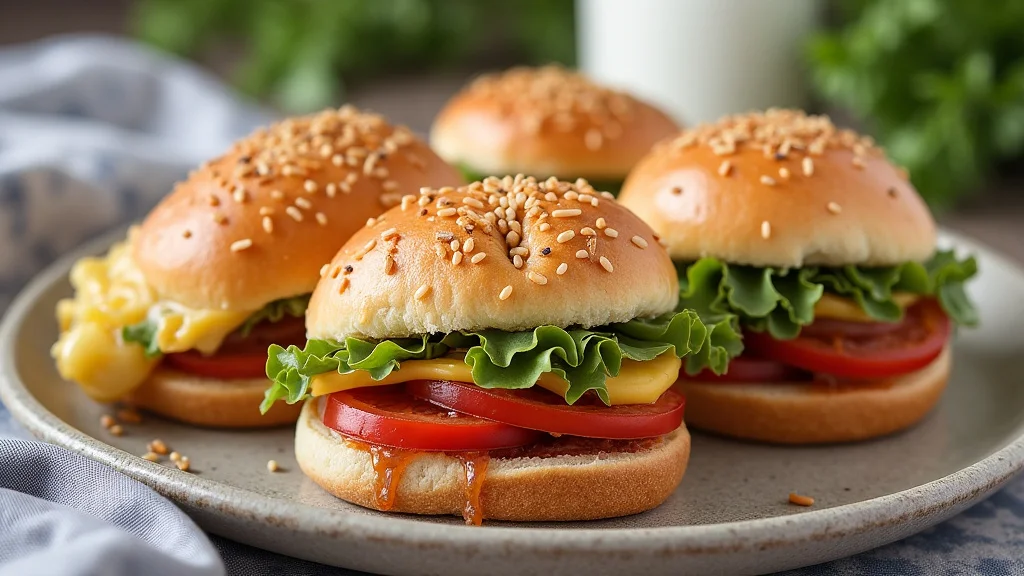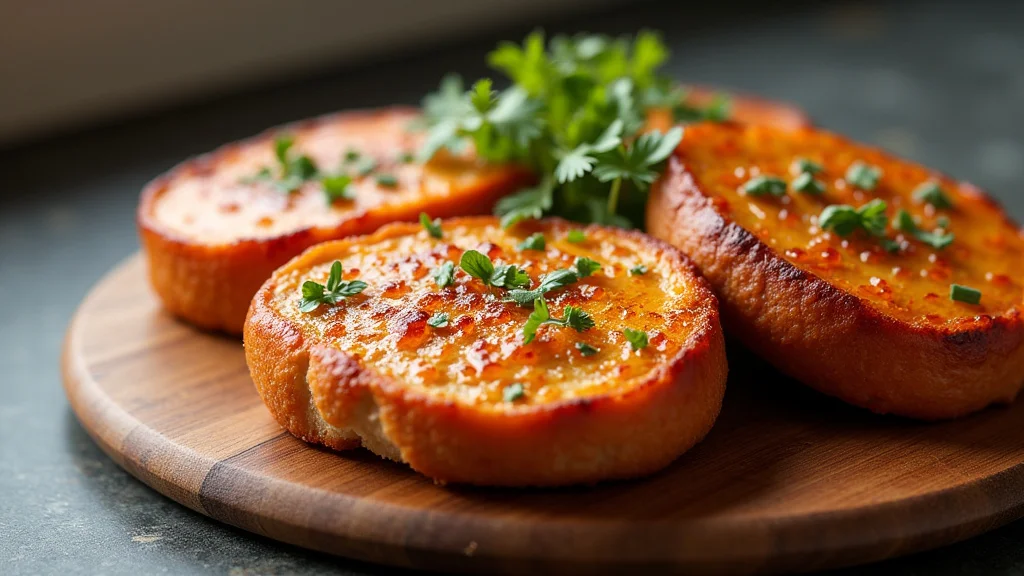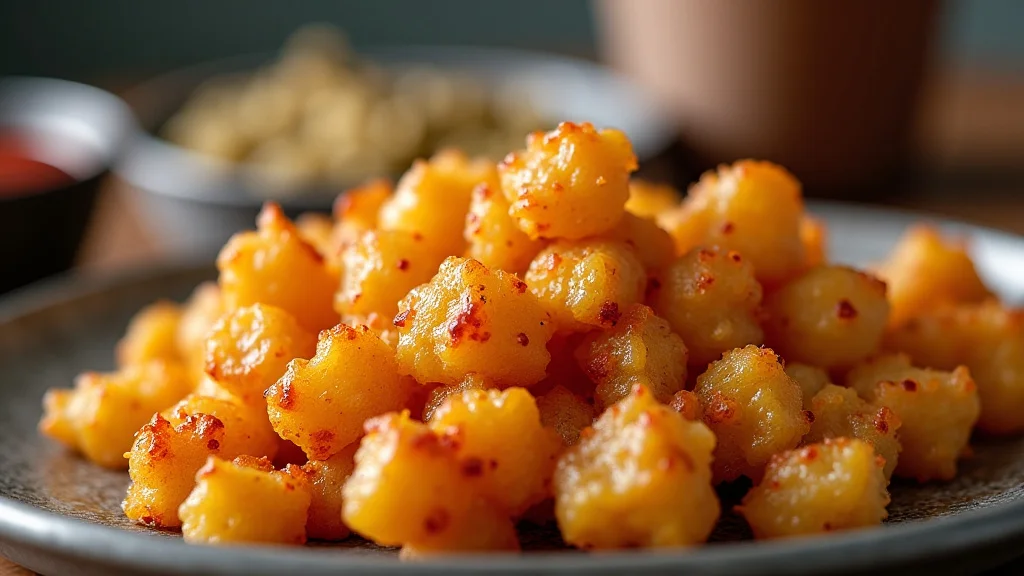
Remember that time you tried to make crispy fries at home, and they turned out soggy and disappointing? It’s a common kitchen struggle! But what if you had a secret weapon that could consistently deliver perfectly golden, crunchy results? This post is your guide to mastering b and m deep fat fryer recipes, transforming your cooking game and impressing everyone with your culinary skills. We’ll explore fantastic recipes, from classic favorites to exciting new creations, helping you create mouthwatering meals. You’ll gain practical knowledge and learn tips and tricks to achieve exceptional results with your deep fryer, making your cooking experience enjoyable and stress-free. Get ready to create culinary masterpieces!
Key Takeaways
- Learn how to make restaurant-quality fried foods at home with your deep fryer.
- Discover delicious and easy-to-follow b and m deep fat fryer recipes for various meals.
- Master essential techniques and safety tips for deep frying, avoiding common mistakes.
- Explore how a deep fryer helps you create crispy, golden, and delicious foods every time.
- Uncover ways to personalize recipes to suit your tastes and dietary requirements.
- Maximize your fryer’s potential with useful tips on cleaning and maintenance.
Getting Started with B and M Deep Fat Fryer Recipes
Many of us are drawn to the golden, crispy deliciousness of fried food, from crispy french fries to succulent fried chicken. Yet, achieving this perfection at home often feels like an impossible feat. The good news is, using a b and m deep fat fryer makes it surprisingly easy to create these culinary delights. We will explore the basics, ensuring you’re ready to fry like a pro. From understanding the machine to selecting the appropriate ingredients, and safety precautions, we’ll equip you with the essential knowledge needed to begin your deep frying adventure. This preparation is the foundation of delicious and safe cooking.
Understanding Your Deep Fat Fryer
Your deep fat fryer is a kitchen marvel, designed to heat oil to a specific temperature and maintain it throughout the cooking process. Familiarity with your specific model is key. Every fryer differs in capacity, temperature control, and features. Most have a thermostat to control the oil’s temperature, a basket for lowering and raising food, and a lid to minimize splatter. Some even have built-in filters to keep the oil clean for reuse. Before you start, carefully read your fryer’s manual. This will give you important information about safety, cleaning, and the best way to use the fryer. Knowing your equipment makes cooking easier and safer. Using your fryer right the first time will boost your confidence in the kitchen.
- Temperature Settings: Deep fryers typically have adjustable temperature settings. Different foods require different cooking temperatures. For example, chicken usually fries at a higher temperature than fries. This is because it needs to cook the inside through without burning the outside, or the outside needs to get to a golden crust fast. The manual provides a guide for different recipes.
- Safety Features: Modern fryers have several safety features. These include automatic shut-off in case of overheating and cool-touch handles. Always supervise your fryer while it is running and keep children and pets away. These precautions reduce the risk of accidents.
- Oil Capacity: Deep fryers are designed to handle a certain amount of oil. Overfilling the fryer can be dangerous and cause oil to splatter. Always follow the manufacturer’s recommended oil levels. It is important to know the maximum capacity of your fryer to make sure you use it in the safest way.
- Cleaning and Maintenance: Regular cleaning is crucial for maintaining your fryer. After each use, let the oil cool and filter it to remove food particles. This keeps the oil fresh and extends its lifespan. Clean the fryer’s interior according to the manual’s instructions.
Choosing the Right Oil
The type of oil you use significantly impacts the taste and texture of your fried food. Different oils have different smoke points, which is the temperature at which the oil begins to break down and smoke. It also affects the flavor. Choosing the correct oil is important for safe and delicious frying. Oils with a high smoke point are best for deep frying because they can withstand high temperatures without breaking down. Understanding these properties ensures your food tastes amazing and you stay safe. The smoke point also impacts the overall nutritional value and longevity of your cooking oil. This affects the results of all your favorite b and m deep fat fryer recipes.
- Canola Oil: This is a popular choice due to its neutral flavor and high smoke point (400°F/204°C). It’s a versatile option suitable for most frying tasks. This oil is cost-effective, readily available, and a good all-around choice. Its balanced flavor doesn’t overpower the food’s natural taste.
- Peanut Oil: Peanut oil has a high smoke point (450°F/232°C) and imparts a slight nutty flavor. It’s often used for frying chicken and other savory dishes. Be cautious if you have a peanut allergy, however.
- Vegetable Oil: This is a general term that often refers to a blend of oils. The smoke point can vary. Be sure to check the specific blend’s smoke point before using it. This is a common and affordable option for a wide array of frying purposes.
- Sunflower Oil: Sunflower oil has a high smoke point (440°F/227°C) and a light taste. It’s also rich in vitamin E, making it a good nutritional choice. This is another good choice for a variety of frying needs.
Safety First: Deep Frying Precautions
Deep frying can be safe when you follow specific safety guidelines. The high temperatures involved can cause serious burns if precautions are not taken. Always pay attention and keep a careful eye on the fryer during use. Understanding these safety measures prevents accidents and ensures a positive cooking experience. Following the rules leads to enjoyable results. Learning these safety measures provides confidence when cooking. Always make safety your top priority when cooking.
- Oil Level: Never overfill your fryer with oil. The oil level should be between the minimum and maximum fill lines indicated on your fryer. Overfilling can cause dangerous oil spills and splatters. Follow the instructions to be sure.
- Temperature Control: Always monitor the oil temperature using the fryer’s thermostat. Do not let the oil overheat or smoke, as this is a fire hazard. Make sure you know how to work the temperature control on your fryer.
- Food Prep: Ensure your food is as dry as possible before adding it to the fryer. Excess moisture causes oil to splatter. Pat food dry with paper towels. Doing this reduces splattering significantly.
- Never Leave Unattended: Always supervise the fryer while it is in operation. Never leave the fryer unattended. If a problem happens, turn the fryer off immediately.
- Keep Water Away: Water and hot oil do not mix. Keep water away from the fryer. If water accidentally gets into the oil, it can cause the oil to splatter. Have a fire extinguisher nearby, just in case.
Delicious B and M Deep Fat Fryer Recipes to Try
With the basics covered, let’s explore some delicious b and m deep fat fryer recipes. From appetizers and side dishes to full meals, the deep fryer can create a wide variety of meals. You can adjust these recipes to your taste preferences. Get ready to cook up some amazing dishes. These recipes cater to both classic favorites and new culinary adventures. Enjoy the flavorful outcomes and elevate your culinary experience.
Classic Fried Chicken
Fried chicken is a beloved classic for a reason. Its crispy skin and juicy interior make it a satisfying meal. With a deep fryer, you can achieve perfect results at home. This recipe focuses on creating a flavorful and irresistibly crunchy fried chicken. We’ll explore techniques to ensure the chicken is cooked through and the skin is golden and crispy. Follow these steps to enjoy the classic comfort food in your kitchen. This timeless recipe is a great start for your frying journey.
- Ingredients: You will need chicken pieces (thighs, drumsticks, or breasts), all-purpose flour, salt, pepper, paprika, garlic powder, onion powder, eggs, milk or buttermilk, and oil. The exact spices can be changed to suit your tastes. Consider using a blend like Old Bay seasoning for a unique flavor.
- Preparation: In a bowl, mix the flour and spices. In a separate bowl, whisk the eggs and milk. Dip the chicken pieces first in the egg mixture, then coat them generously in the flour mixture. Make sure each piece is thoroughly coated for the best crust.
- Frying: Heat the oil in your deep fryer to 325°F (163°C). Carefully lower the chicken pieces into the hot oil, ensuring not to overcrowd the fryer. Fry for about 12-15 minutes, or until the chicken is golden brown and cooked through. Always check the internal temperature with a meat thermometer to ensure it reaches 165°F (74°C).
- Serving: Remove the chicken from the fryer and place it on a wire rack to drain excess oil. Serve hot, and enjoy with your favorite sides. Fried chicken is delicious with mashed potatoes, coleslaw, or biscuits. It is a fantastic meal.
Perfect French Fries
Homemade french fries are a delightful treat, much better than any frozen version. The secret to perfect fries lies in the double-fry technique, which creates a crispy exterior and a fluffy interior. This b and m deep fat fryer recipe guarantees fantastic results every time. Learning how to properly cook fries will transform any meal. With your deep fryer, you will get fries that are better than any restaurant. The flavor and texture will be unbeatable.
- Ingredients: You’ll need potatoes (Russet or Yukon Gold work best), oil for frying, salt, and any desired seasonings. A simple blend of salt and pepper is a classic, but you can also add garlic powder or smoked paprika.
- Preparation: Peel the potatoes and cut them into even-sized strips. Soak the potato strips in cold water for at least 30 minutes to remove excess starch. This step is important for achieving crispy fries.
- First Fry: Heat the oil in your fryer to 325°F (163°C). Fry the potato strips in batches for about 5-7 minutes, until they are soft but not yet golden. Remove the fries and let them cool on a wire rack.
- Second Fry: Increase the oil temperature to 375°F (190°C). Fry the fries again for about 2-3 minutes, until they are golden brown and crispy. Remove them from the fryer and drain them on a wire rack. Season immediately with salt or your chosen seasonings.
Crispy Onion Rings
Onion rings are a crowd-pleaser and a great addition to any meal. This b and m deep fat fryer recipe focuses on the perfect combination of crispy coating and tender onion. We’ll explore methods to prevent the onion rings from getting soggy and ensure they’re flavorful. These onion rings are ideal for a snack or side. They have a delicious crunch and taste that everyone will love. Follow these simple steps for perfect results every time.
- Ingredients: You’ll need large onions, all-purpose flour, cornstarch, baking powder, salt, pepper, and your preferred seasonings. Milk and an egg help to create the batter. Consider adding a dash of cayenne pepper for a little kick.
- Preparation: Slice the onions into thick, even rings. Separate the rings and toss them in a mixture of flour, cornstarch, baking powder, salt, and pepper. In a separate bowl, whisk together milk and an egg.
- Battering: Dip each onion ring in the egg mixture and then into the flour mixture, ensuring it is fully coated. This double coating method creates a thicker and crispier crust. Shake off any excess flour to prevent the oil from getting cloudy.
- Frying: Heat the oil to 350°F (175°C). Carefully place the onion rings into the hot oil, ensuring not to overcrowd the fryer. Fry for about 2-3 minutes, or until the rings are golden brown and crispy. Drain on a wire rack and serve immediately.
Flavor Variations and Customizations
Part of the fun of cooking is the freedom to adjust recipes to suit your tastes. Here are some ideas for taking your b and m deep fat fryer recipes to the next level. Experimenting with different ingredients and techniques is a great way to personalize your cooking. Whether you’re a beginner or experienced chef, these suggestions provide fresh approaches. Discover new ways to enjoy deep-fried foods. These creative options ensure every meal is a tasty experience.
Marinades and Seasonings for Chicken
Enhance the flavor of your fried chicken with marinades and seasonings. The right additions can add new layers of flavor. Experimenting with marinades and seasonings opens up a world of possibilities. Here are some ideas to help you create your own recipes. The correct spices and mixtures transform the flavor of your chicken.
- Buttermilk Marinade: Soak chicken pieces in buttermilk for at least 2 hours or overnight. Buttermilk helps to tenderize the chicken and adds a tangy flavor. This also helps the flour mixture stick better to the chicken.
- Spicy Marinade: Add hot sauce, cayenne pepper, or chili powder to your marinade for a spicy kick. Adjust the amount to suit your spice preference. Combine it with a mixture of salt, pepper, and paprika.
- Herb-Infused Coating: Mix dried herbs like rosemary, thyme, or oregano into your flour mixture. These herbs add a fragrant depth of flavor to the chicken. This provides a fresh, earthy flavor.
- Global Flavors: Try using different spice blends from around the world. Curry powder, Cajun seasoning, or Italian seasoning can give unique twists to your fried chicken. These can bring your own style.
Creative Fry Options
Consider going beyond classic fries and chicken by exploring different fried foods. These creative choices can bring excitement to your cooking. These ideas open the door to unique and tasty meals. Consider these options for your next meal. They show the full potential of your deep fryer. These recipes add excitement to the cooking experience.
- Fried Pickles: Coat pickle slices in a buttermilk batter, then fry until golden and crispy. Serve with a creamy dipping sauce, like ranch or a spicy aioli. This is a very common and popular option.
- Mozzarella Sticks: Dip mozzarella cheese sticks in a breadcrumb mixture and fry until the cheese is melted and the outside is golden. Serve with marinara sauce for dipping. This offers a classic appetizer experience.
- Sweet Potato Fries: Cut sweet potatoes into strips and fry them. They offer a sweeter, healthier alternative to traditional fries. Season them with cinnamon sugar or a savory spice blend.
- Fried Oreos: Dip Oreos in a batter and fry until they’re golden and the inside is warm. Serve them with a dusting of powdered sugar. A very simple dessert with a big payoff.
Dipping Sauces and Side Dishes
Complementing your fried food with the correct dipping sauces and side dishes can truly elevate the experience. The ideal sides add extra flavor, and offer a balanced meal. Explore various sauces and sides to enhance your meals. Consider these ideas to bring the ultimate dining experience to your home. Serving sides adds a sense of style and flavor to the meal.
- Ranch Dressing: A classic pairing for fried chicken, fries, and onion rings. Make it from scratch or use a high-quality store-bought version. This is the most popular choice.
- Honey Mustard: This combination offers a sweet and tangy flavor that works well with fried chicken and other savory items. This gives a delightful balance of tastes.
- Spicy Aioli: Combine mayonnaise with garlic, lemon juice, and a touch of sriracha or other hot sauce. The creamy base and spicy kick will be a great match. This is a versatile, delicious option.
- Coleslaw: A cool and creamy coleslaw provides a refreshing contrast to the richness of fried foods. You can find pre-made versions or create your own. This complements many fried meals.
Troubleshooting Common Deep Frying Problems
Even with the best recipes, you might encounter issues. The solution to any deep frying problems is simple: troubleshooting. Here are some common problems and their solutions. Knowing these solutions can help you quickly adjust and achieve delicious results. Addressing these issues can help improve your deep frying techniques. It can help you make food with great flavors.
Soggy Food
Soggy food is a common complaint when deep frying. This happens when the oil isn’t hot enough or when too much food is added at once. Following a few tips will help solve this problem. Use these ideas to make sure your food is crispy and golden. Knowing how to adjust your cooking makes all your cooking endeavors more successful.
- Oil Temperature: Ensure the oil is at the correct temperature before adding food. Using a thermometer is helpful. If the oil is not hot enough, the food will absorb the oil and become soggy. Be sure you know the correct temperature.
- Overcrowding: Don’t overcrowd the fryer basket. Adding too much food at once lowers the oil temperature. Fry food in batches for the best results. Overcrowding stops the food from crisping properly.
- Drying the Food: Always dry food before frying. Remove extra moisture, as excess water will cause the food to steam rather than fry. Pat the food completely dry.
- Resting Food: Let the food rest on a wire rack after frying. This allows excess oil to drain. Do not let the food sit on paper towels.
Burnt Food
Burnt food is another issue that can arise during deep frying. This typically occurs when the oil is too hot, or the food is left in the fryer too long. Here are some strategies for preventing burnt food. Use these ideas to ensure your food is evenly cooked every time. Adjusting your process helps you find your cooking abilities.
- Temperature Control: Always check the oil temperature regularly and make adjustments as needed. If the oil is too hot, it will burn the outside of the food before the inside is cooked. Ensure you know how to read the thermometer.
- Cooking Time: Follow the recipe’s recommended cooking times and keep a close eye on the food. Using a timer can prevent you from overcooking. Always be aware of how long you are cooking.
- Food Thickness: The thickness of the food impacts the cooking time. Thinner items cook faster and may burn if left in the fryer too long. The thickness of each food item should be consistent.
- Food Color: Use the color of the food as a guide. When the food is a golden brown, it is usually done. If the food is too dark, it is already burning. Learning these visual cues is important.
Common Myths Debunked
Many myths circulate regarding deep frying. Separating fact from fiction leads to better results. Understanding these myths ensures safe and effective cooking. Clear up the misinformation, and gain clarity. This helps you gain new skills and knowledge.
Myth 1: Deep frying is unhealthy.
Answer: While deep-fried food can be higher in fat, it is not inherently unhealthy. The health implications mainly depend on the type of oil used, how often you consume fried foods, and the overall balance of your diet. Using healthy oils and controlling portion sizes can help reduce the potential negative health impacts.
Myth 2: Deep frying always results in oily food.
Answer: Oily food is often the result of using oil that is not hot enough, or overcrowding the fryer. Proper frying techniques, including maintaining the correct oil temperature and frying in batches, help prevent food from absorbing too much oil. The food will come out perfectly crispy.
Myth 3: You can’t reuse oil.
Answer: You can reuse oil, but it requires the right methods. After each use, let the oil cool completely, then strain it through a fine-mesh sieve or cheesecloth to remove food particles. Store it in an airtight container in a cool, dark place. The oil can be reused multiple times. The flavor is slightly altered after a few uses, but this is fine.
Myth 4: Deep frying is only for experienced cooks.
Answer: Deep frying can be easily done with the right equipment and knowledge. Modern deep fryers are user-friendly, with temperature controls and safety features. With simple recipes and a focus on safety, even beginners can achieve great results. Practicing ensures the right results.
Myth 5: Deep frying is very messy.
Answer: Modern deep fryers are created with mess in mind. Most models include features that reduce splattering and make cleaning easier. Always take safety precautions like carefully lowering food into the hot oil. Cleaning the fryer after each use helps you control the mess.
Frequently Asked Questions
Question: How often should I change the oil in my deep fryer?
Answer: The frequency of oil changes depends on how often you fry and what you fry. Change the oil after 8-12 uses or when it becomes dark, foamy, or starts to smoke excessively. Regularly check the quality of the oil.
Question: What’s the best way to dispose of used cooking oil?
Answer: Let the oil cool completely and pour it into a sealed container. Check your local regulations for disposal options, such as drop-off locations or recycling centers. Never pour it down the drain.
Question: Can I deep fry frozen foods directly from the freezer?
Answer: It’s generally safe to deep fry frozen foods, but it requires caution. Ensure you choose the right oil and maintain the correct temperature. Frozen foods can lower the oil temperature quickly, leading to soggy results.
Question: How do I prevent oil from splattering when deep frying?
Answer: Dry your food thoroughly before adding it to the fryer. Avoid overcrowding the fryer, and slowly lower food into the hot oil. Always wear protective gear.
Question: What is the best way to clean my deep fryer?
Answer: Let the oil cool and drain it, then remove any food particles. Wipe the interior with a damp cloth or sponge. Follow the manufacturer’s instructions for deep cleaning. Always make sure the fryer is off before you start cleaning.
Final Thoughts
Mastering b and m deep fat fryer recipes allows you to cook a wide range of delicious foods from the comfort of your kitchen. The beauty of deep frying lies in its simplicity. With a few key techniques and the right equipment, you can achieve crispy, golden results every time. Knowing your equipment, choosing the correct oil, and following basic safety measures will make the cooking process enjoyable and safe. From classic fried chicken and fries to creative variations like fried pickles and onion rings, the possibilities are vast. Remember to always adjust the recipes to your own taste preferences. Don’t hesitate to explore and experiment with marinades, seasonings, and dipping sauces. So, take your new knowledge and cook a great meal. Happy frying!