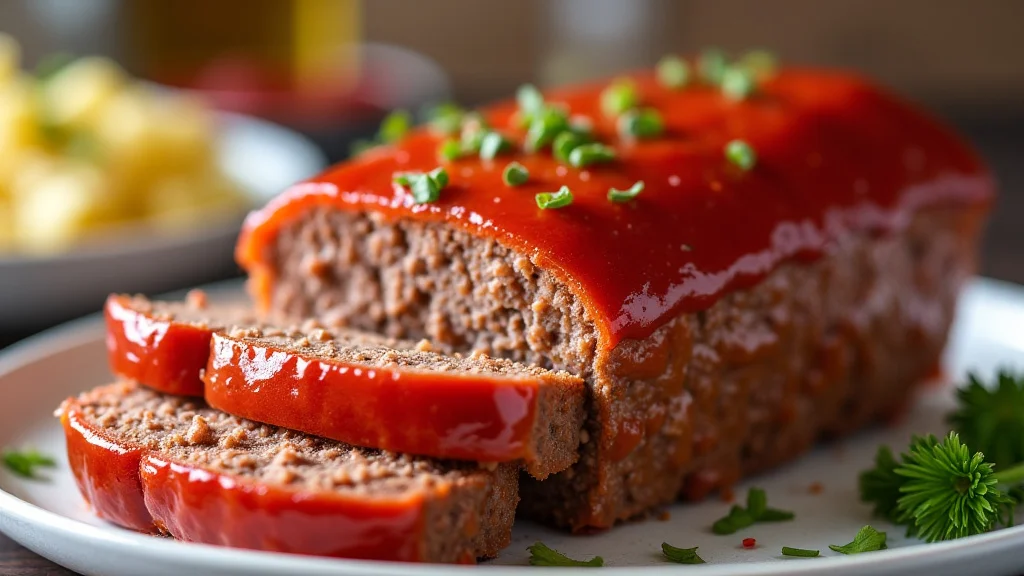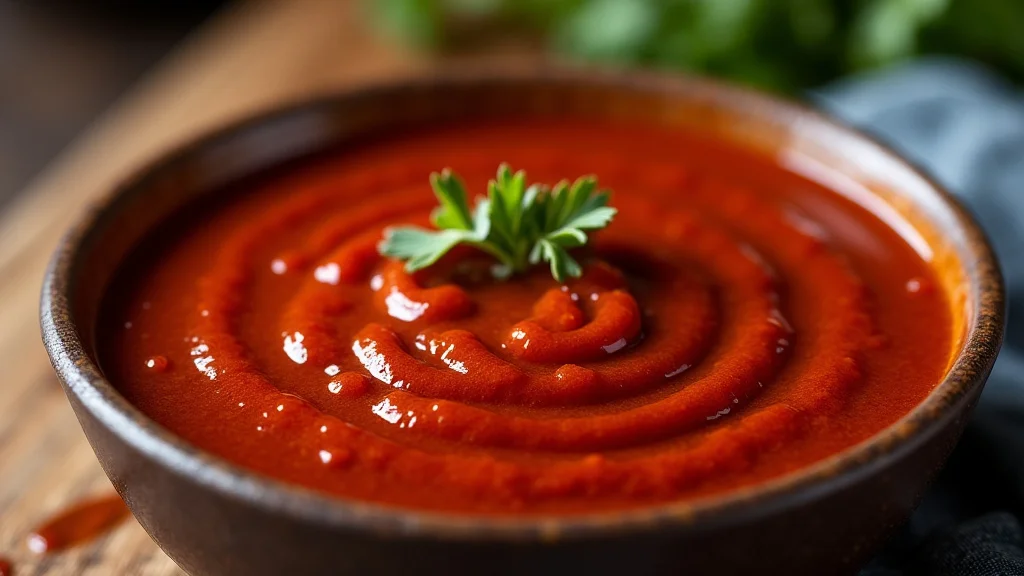
Picture this: It’s a sunny Saturday, the aroma of grilling wafts through the air, and you’re surrounded by friends and family. What completes the perfect cookout? The perfect b b q sauce, of course! But instead of relying on store-bought bottles, what if you could create your own masterpiece? This post explores the exciting world of b b q sauce recipes, helping you master flavors from sweet to smoky. You’ll gain the knowledge and confidence to create amazing sauces that will impress your guests. We’ll explore various techniques, flavor profiles, and provide tips to personalize your own signature sauce. You’ll learn the techniques used by restaurant chefs.
Key Takeaways
- Learn the fundamental ingredients that make up a great BBQ sauce.
- Discover how to adjust sweetness, acidity, and heat levels to create your perfect sauce.
- Explore different regional styles of BBQ sauce, from Kansas City to Carolina.
- Understand the importance of the cooking process and how it affects the sauce flavor.
- Get detailed, easy-to-follow recipes for a variety of delicious BBQ sauces.
- Gain the confidence to experiment and create your own unique sauce creations.
Fundamental Ingredients in B B Q Sauce Recipes
The foundation of any great b b q sauce recipe lies in the quality of its ingredients. Think of it like a painter’s palette; the better the paints, the richer and more vibrant the artwork. A simple sauce can become an outstanding sauce by using quality ingredients. While recipes vary, certain components are universally present. They build the base, providing flavor and structure.
This section explains the main ingredients and how they contribute to the flavor and texture of the sauce. We’ll discuss the role of tomatoes, vinegars, sweeteners, spices, and other flavor additions. It is essential to use ingredients that are fresh, with as few additives as possible. It is best to avoid any ingredients that are not readily available to the public.
Tomato-Based Components
Tomatoes form the heart of many great b b q sauce recipes. They provide the body and a natural sweetness. However, the type of tomato-based product greatly affects the final flavor profile. From tomato paste to crushed tomatoes, each option offers a distinct contribution. Different tomatoes provide varying levels of acidity and sweetness, allowing the cook to create a rich and savory base.
-
Tomato Paste: This is a concentrated form of tomatoes, offering the thickest consistency and the most intense tomato flavor. It is ideal when you want a strong tomato presence without adding extra liquid. Tomato paste is made by cooking tomatoes for an extended period to remove water and concentrate the flavor. This process gives a rich taste and also acts as a natural thickener.
Real-life example: Adding a tablespoon of tomato paste adds depth to a sauce.
-
Ketchup: Ketchup brings a pre-sweetened and seasoned base, simplifying the process for beginners. The pre-added ingredients, like vinegar and sugar, provide a quick start, making this a great option when time is short. However, consider the type of ketchup, as some brands include added high-fructose corn syrup or excessive sodium.
Real-life example: Using ketchup as a starting point helps novice cooks.
-
Crushed Tomatoes: Providing a more watery base, crushed tomatoes add a fresh, natural tomato taste and texture. They require more reduction time during cooking to thicken, but give a fresh tomato presence.
Real-life example: Crushed tomatoes are great for adding a natural taste.
-
Tomato Sauce: Tomato sauce offers a smooth texture and a balanced tomato flavor, making it a versatile choice. It falls between tomato paste and crushed tomatoes in concentration. Like ketchup, tomato sauce often contains added seasonings, so always check the ingredient list to control the flavor profile of your sauce.
Real-life example: Tomato sauce can produce a smooth, balanced sauce.
Vinegars: The Acidic Punch
Vinegar is a crucial ingredient in b b q sauce recipes. It provides acidity that balances sweetness and adds complexity. The type of vinegar used greatly affects the sauce’s final taste. Each variety offers a unique flavor profile, contributing to the overall character of the sauce. Understanding how to use different vinegars is key to creating a balanced and tasty sauce.
-
Apple Cider Vinegar: This vinegar adds a fruity, slightly sweet taste, and is a popular choice for many recipes. It is known for its balanced acidity. The fruity undertones of apple cider vinegar pair well with pork and chicken.
Real-life example: Apple cider vinegar is a great option for pulled pork.
-
White Vinegar: White vinegar offers a clean, sharp acidity, that can be a great base for your sauce. Its neutral flavor allows other ingredients to shine. It is also an inexpensive option, making it accessible to all cooks.
Real-life example: White vinegar is great when you want a crisp flavor.
-
Red Wine Vinegar: Red wine vinegar brings a deeper, more complex flavor to the sauce with slight fruity undertones. It works well with beef or lamb. The richer flavor profile adds a sophistication to the sauce.
Real-life example: Red wine vinegar works well for steak.
-
Distilled White Vinegar: A more intense version of white vinegar, this variety gives a sharper, more acidic bite. It’s an effective option when you want to balance excessive sweetness. It is perfect when you need a stronger flavor.
Real-life example: Distilled white vinegar is excellent when the sauce is too sweet.
Sweeteners: Balancing the Flavor Profile
Sweeteners offer the necessary balance to the acidity and spiciness in b b q sauce recipes. The choice of sweetener can greatly affect the final taste of the sauce. Sweeteners add body and assist with caramelization during the cooking process. Using the right sweetener is a key factor in balancing the flavors of a b b q sauce.
-
Brown Sugar: Brown sugar adds a deep molasses flavor, offering richness and moisture. The molasses adds depth to the sauce and contributes to caramelization. The type of brown sugar (light or dark) can influence the final taste. Dark brown sugar will give a more intense molasses taste.
Real-life example: Brown sugar is a great option for ribs.
-
Granulated Sugar: Granulated sugar provides straightforward sweetness without additional flavor complexities. It can be easily measured and mixed, providing a basic sweetness base. It works well when you want to control the sweet flavor.
Real-life example: Granulated sugar is perfect for controlling the sweetness.
-
Honey: Honey provides a natural sweetness with floral notes. It adds a smooth texture. The use of honey can give a unique flavor. The type of honey will influence the flavor profile.
Real-life example: Honey goes well with chicken.
-
Molasses: Molasses offers a rich, deep sweetness, and adds a slight bitterness. This bitterness contributes complexity. Its thick consistency adds body and helps with caramelization.
Real-life example: Molasses is great for a complex sauce.
Regional Styles in B B Q Sauce Recipes
B b q sauce recipes vary widely based on regional preferences. Each region has developed its own distinctive flavors and characteristics. Learning about these styles is not only fun but also allows you to expand your cooking skills. This gives you inspiration for your own unique sauce creations. Some popular regions include Kansas City, Carolina, and Texas, each having a unique profile.
Each style reflects the local tastes and traditions. Some sauces are sweet and thick, while others are vinegar-based and tangy. From the smoky flavors of the Southwest to the tangy sauces of the Southeast, understanding regional variations expands your cooking abilities. It helps create a wide variety of sauces.
Kansas City Style
Kansas City-style b b q sauce recipes are known for their thick, sweet, and tangy flavors. The sauce usually contains tomato, molasses, and brown sugar. Often including some form of smoke flavor, this adds to the overall taste profile. It is a popular style because of its balance of sweetness and tang. It is often used on ribs, brisket, and pulled pork.
-
Key Ingredients: Tomato paste, brown sugar, molasses, vinegar, and a blend of spices. These ingredients build a balance of sweetness, tang, and depth.
This provides a thick and flavorful sauce perfect for meat.
-
Flavor Profile: Rich, sweet, and smoky with a good level of tang. The flavor profile is designed to work well with a variety of meats, enhancing their taste.
The flavor profile has a great balance that suits many preferences.
-
Use Cases: Ideal for ribs, brisket, and pulled pork. The thickness allows it to cling well to meats. It creates a great, flavorful crust during cooking.
Kansas City sauce works well on all sorts of BBQ foods.
Carolina Style
Carolina-style b b q sauce recipes are distinguished by their vinegar-based sauces. These sauces tend to be tangy and often lack sweetness, with a thin consistency. This style focuses on a blend of acidity and spice, providing a great, refreshing taste. It often includes hot sauce to give a kick. There are two primary Carolina styles: Eastern and Western.
-
Key Ingredients: Vinegar, black pepper, and cayenne pepper, with a touch of sweetness. The balance is simple yet powerful, creating a clean taste.
These ingredients work together, giving the sauces their characteristic flavor.
-
Flavor Profile: Tangy, peppery, and often with a kick. The dominant flavors come from the vinegar and pepper. The result is a sharp, balanced sauce.
The flavor profile is perfect for cutting through the richness of the meat.
-
Use Cases: Primarily used on pulled pork. It works well due to its ability to complement the meat. It often gets drizzled on top or mixed in with the meat.
Carolina sauce pairs best with pulled pork.
Texas Style
Texas-style b b q sauce recipes are known for their simplicity and focus on the meat’s natural flavors. Texas sauces often include a tomato base with a blend of spices. It has a balance of sweetness, tang, and heat. The sauce is generally thinner. This allows the taste of the smoked meat to stay the focus.
-
Key Ingredients: Tomato paste or sauce, vinegar, and a blend of spices like chili powder and cumin. These ingredients enhance the natural taste of the meat.
This style of sauce is simple and effective.
-
Flavor Profile: Savory and slightly spicy. The sauce adds depth without overpowering the taste of the meat. This style puts the focus on the meat.
This sauce enhances the taste of the meat.
-
Use Cases: Best with brisket, ribs, and sausage. The sauce is designed to enhance the flavor. It should never cover up the meat.
Texas sauce complements the taste of meats.
Cooking Techniques in B B Q Sauce Recipes
The cooking process impacts the flavors in b b q sauce recipes. The right method helps combine the flavors. It can create complex tastes. Simmering, reducing, and even smoking the sauce all affect the final flavor profile. Understanding and mastering these techniques is key to creating great sauces.
These methods allow you to control the taste, and make sauces that taste more complex. Adjusting the cooking method can help refine the taste, ensuring that your sauce is just right. From the initial mix to the final product, each step contributes to the ultimate result.
Simmering and Reduction
Simmering and reduction are critical for developing the flavor of any b b q sauce recipe. Simmering allows the ingredients to blend together. Reduction involves slowly cooking the sauce to evaporate some of the liquid. This concentrates the flavors and thickens the sauce. These two techniques work in concert, making sure the ingredients combine perfectly.
-
Simmering: Simmering at a low heat for a long time lets the flavors combine gently. It reduces the sharpness of ingredients. It helps the flavors to develop into a cohesive taste.
It’s best to simmer at a temperature just below boiling.
-
Reduction: Reducing the sauce by simmering allows the liquid to evaporate. It makes the sauce thicker. It also concentrates the flavors, making them more intense.
Use a low to medium heat setting to reduce the sauce.
-
Flavor Development: The combination of simmering and reduction ensures that the sauce has a balanced and intense flavor. This approach creates a complex taste profile that is essential for a good sauce.
These techniques help create a great flavor balance.
Blending and Pureeing
Blending and pureeing ensure a smooth and consistent sauce for b b q sauce recipes. Blending the sauce creates a smooth texture, removing any clumps. This step is important to ensure the ingredients are fully combined. This step allows you to control the thickness and texture.
-
Texture Control: Using a blender to smooth a sauce controls its texture. It allows you to produce the right consistency. It is best to use a blender or immersion blender.
This makes the sauce even and without lumps.
-
Consistency: Pureeing ensures that the sauce coats the meat easily. It also removes any lumps. You can puree the sauce to match your preferences.
Using these techniques gives you greater control over your product.
-
Equipment: Using an immersion blender makes the process fast and easy.
Both methods will achieve a consistent texture and smoothness.
Smoking the Sauce
Smoking the sauce can add a unique, smoky taste. This can elevate your b b q sauce recipes. Smoking the sauce gives it a deep flavor and a smoky taste. You can use this for a deeper flavor profile. This adds an element of richness and complexity.
-
Flavor Enhancement: Smoking the sauce gives it a deep and smoky flavor. It adds extra layers of taste to the sauce. It is best to use a smoker.
The smoky flavor will be deep and noticeable.
-
Method: The sauce can be smoked over low heat. Be sure to stir frequently. This prevents the sauce from burning. The length of time depends on how smoky you want the taste.
Smoking the sauce gives a smoky flavor to your recipes.
-
Pairing: The smoky sauce goes well with meats, especially those cooked with wood. It’s great with brisket, ribs, and pulled pork. It adds a smoky touch to the food.
The smoky taste is perfect for many types of foods.
Creating Your Own B B Q Sauce Recipes
Creating your own b b q sauce recipes is an exciting way to showcase your creativity. Understanding the different elements, from flavor profiles to textures, empowers you to create sauces to suit your tastes. Experimentation is the key to creating a signature sauce.
You can adjust the level of sweetness, heat, and tanginess. You can explore regional styles. Try adding different ingredients, and testing their effect on the overall taste. This process helps you discover tastes that you enjoy, and lets you show your own style.
Balancing Flavors
Balancing flavors is key in b b q sauce recipes. It involves finding the right harmony between sweet, sour, spicy, and savory tastes. The perfect balance ensures that your sauce is not too sweet, sour, or overpowering. It’s important to experiment, and adjust the ingredients to your preferences.
-
Sweetness: Sweetness usually comes from sugars or honey.
If the sauce is too sweet, add more acidity.
-
Acidity: Acidity is often sourced from vinegar or citrus.
If the sauce is too acidic, add more sweetness.
-
Spiciness: Spices like chili powder or hot sauce offer the spicy element.
Adjust the level of heat according to your taste.
-
Savory: Soy sauce or Worcestershire sauce can add a savory dimension.
This will add a deeper flavor profile.
Experimenting with Ingredients
Experimenting with different ingredients is a key aspect of creating unique b b q sauce recipes. Try different varieties of vinegar, sweeteners, and spices to enhance the taste. You can also add various ingredients, such as fruits, vegetables, or herbs. The ingredients can provide new taste elements, and a new dimension to your sauces.
-
Vinegars: Try apple cider vinegar, balsamic, or red wine vinegar.
Each type offers a distinct taste.
-
Sweeteners: Honey or maple syrup add different sweetness levels.
Experiment with various types.
-
Spices: Add smoked paprika, chipotle powder, or different peppers.
Spice can be adjusted by your preference.
-
Additions: Adding fruits, such as peaches or pineapple, can bring a nice flavor.
Adding herbs like rosemary or thyme adds complexity.
Testing and Adjusting
Testing and adjusting the taste is a key step in refining b b q sauce recipes. The testing process involves making small batches, and fine-tuning the ingredients. Taste the sauce at various stages, and note what you like, or need to change. Adjust the ingredients until you find the perfect balance.
-
Small Batching: Start by making a small amount to test flavors.
Make a small amount of sauce for testing purposes.
-
Tasting: Taste at different stages. Keep notes to document the changes.
Taste the sauce as it cooks.
-
Adjustments: Adjust ingredients according to the taste.
Always adjust the ingredients as needed.
-
Feedback: Ask friends and family for feedback.
Get feedback from others to refine the sauce.
Common Myths Debunked
Myth 1: BBQ Sauce Must Be Thick to Be Good
Many believe that a thick sauce is a sign of quality. However, the best b b q sauce recipes come in various thicknesses. A thick sauce can coat the meat well. But it might overpower the natural taste of the food. A thinner sauce can provide a more subtle taste that complements the meat. The ideal thickness depends on your preferences and what you are cooking.
Myth 2: Store-Bought Sauce Is Better Than Homemade
Some people believe that store-bought sauces are superior, because they are made by specialists. However, homemade sauces allow for customization. You can control the quality and ingredients, and make a sauce that suits your specific tastes. Homemade sauces often contain fewer additives, and use high-quality ingredients. Making your own sauce also gives you a lot more creative freedom.
Myth 3: More Sugar Equals Better BBQ Sauce
A lot of people think the sweetest b b q sauce recipes are best. However, this isn’t always true. Balance is important, and excessive sugar can lead to a burnt taste. Too much sweetness can also cover up other flavors. A well-balanced sauce will have a harmony of flavors, and the sweetness will enhance, rather than overwhelm, the other ingredients.
Myth 4: Vinegar-Based Sauces Are Only for Carolina BBQ
While vinegar-based sauces are famous in the Carolinas, they can be adapted to various cooking styles. Vinegar adds a tangy flavor, and it can be used in other styles of b b q sauce recipes. It can balance out the sweetness, and give the sauce a unique taste. Vinegar can also assist with tenderizing the meat. It can work for almost any cooking method.
Myth 5: You Need a Smoker to Make Great BBQ Sauce
Smoked sauces are delicious, but you don’t need a smoker to make great b b q sauce recipes. You can produce amazing tastes with various cooking methods. You can produce depth with the ingredients you use, and the techniques you apply. It’s about combining ingredients and techniques to obtain the taste you desire. The perfect sauce can be made even without a smoker.
Frequently Asked Questions
Question: Can I freeze homemade BBQ sauce?
Answer: Yes, you can freeze your homemade BBQ sauce. Place it in an airtight container or freezer bag. It can be stored for several months. Thaw it in the refrigerator before use.
Question: What if my sauce is too sweet?
Answer: If your sauce is too sweet, add more acidity. You can add more vinegar or a splash of lemon juice. This will help balance the sweetness.
Question: How long does homemade BBQ sauce last in the refrigerator?
Answer: Homemade BBQ sauce will last in the refrigerator for about 2-3 weeks. Keep it in an airtight container for best results.
Question: Can I substitute ingredients in a recipe?
Answer: Yes, you can substitute ingredients. Be aware that the taste will be affected. Experiment with different ingredients to find what you like.
Question: What’s the best way to use BBQ sauce when grilling?
Answer: You can brush the sauce on the meat during the final minutes of grilling. This will give a nice glaze. You can also serve it on the side for dipping.
Final Thoughts
Creating your own b b q sauce recipes opens up a world of flavor possibilities. You’ve explored the main ingredients, regional styles, and different cooking methods, equipping you with the knowledge to create your own masterpieces. This knowledge empowers you to explore new tastes. Now, you can adapt your sauce to your own tastes and preferences. The key is to start experimenting, making small batches, and adjusting the ingredients until you achieve the perfect balance. Don’t be afraid to try new things and make the sauce your own. The perfect BBQ sauce is waiting to be created. Get cooking and enjoy the delicious results!