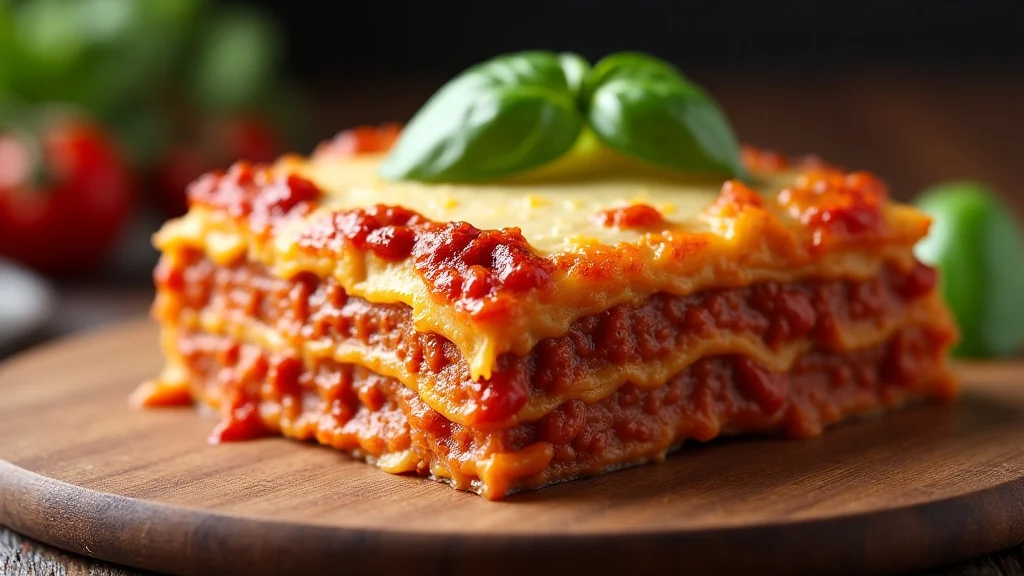
Picture this: It’s a chilly evening, and you’re craving something comforting and satisfying. What comes to mind? For many, the answer is a warm, bubbling pan of lasagna. But maybe you’ve always thought it was too complicated to make from scratch. Don’t worry! This post will walk you through a simple and delicious recipe for lasagna, complete with step-by-step instructions and helpful tips. You’ll learn how to create a lasagna that will impress your family and friends. By the end, you’ll be able to make a fantastic lasagna for any occasion and understand the key elements that make this dish a classic. This is your guide to mastering this culinary staple.
Key Takeaways
- Learn the essential ingredients required to create a perfect lasagna.
- Discover the detailed steps, from preparing the sauce to assembling and baking.
- Find out how to adjust the recipe to fit your taste preferences, with helpful suggestions.
- Understand the best techniques to ensure your lasagna is moist, flavorful, and perfectly cooked.
- Explore tips on ingredient substitutions to handle dietary needs or ingredient availability.
- Gain confidence in making lasagna from scratch, without the need for pre-made ingredients.
Getting Started: Ingredients and Preparation
The foundation of a good lasagna lies in the quality of your ingredients. Before you even think about layering, make sure you have everything ready. This preparation step makes the cooking process far more enjoyable. Gather your ingredients and organize them. This method streamlines the cooking process. Choose high-quality ingredients, from the pasta to the cheese, to enhance the final flavor of your homemade dish. This meticulous step is not difficult. These steps will ensure your dish is delicious. This section covers what you need to create an amazing recipe for lasagna.
Essential Ingredients for a Delicious Dish
- Pasta: Lasagna noodles are, of course, essential. You can use traditional lasagna noodles, no-boil noodles (which are more convenient), or even gluten-free alternatives. The choice depends on your preference and dietary needs.
- Meat: Ground beef, Italian sausage, or a combination of both is common. Some people prefer ground turkey or chicken as a leaner option.
- Cheese: Ricotta cheese, mozzarella, and Parmesan cheese are the holy trinity for lasagna. These add creaminess, stretchiness, and a salty finish.
- Sauce: Homemade or store-bought marinara sauce or a meat sauce (made from scratch or using jarred sauce) is used.
- Vegetables (Optional): Onions, garlic, mushrooms, bell peppers, or spinach can enhance the flavor.
Choosing the right pasta plays an important role in the success of your lasagna. Traditional lasagna noodles need to be boiled before assembly. You should cook them al dente to prevent them from becoming mushy when baked. No-boil noodles eliminate this step. These are great for busy cooks. Gluten-free options are available for those with dietary restrictions. Always check the package instructions.
The type of meat you choose significantly affects the flavor profile of your lasagna. Ground beef provides a classic, rich taste. Italian sausage adds a spicy kick, while ground turkey or chicken offers a lighter, healthier alternative. You can mix different meats to balance flavors. Make sure your meat is cooked through before adding it to your lasagna. The right meat is vital to a great recipe for lasagna.
The cheese layer is essential for creating the perfect texture and flavor. Ricotta cheese adds a creamy, slightly tangy element. Mozzarella provides the classic, melty, stretchy cheese pull. Parmesan adds a sharp, salty flavor. Be sure to buy good quality cheese. You can mix your own cheese combination based on taste. These cheeses are essential in every recipe for lasagna.
The sauce is the backbone of your lasagna. A homemade sauce allows you to control the ingredients. This lets you customize the flavor to your preference. Store-bought sauces are a convenient option. You may enhance them by adding fresh herbs or a touch of garlic. The choice depends on your time and preference. A great sauce is vital to every recipe for lasagna.
Vegetables add flavor and nutrition. Sauté onions and garlic to provide a base for the sauce. Sliced mushrooms and bell peppers add texture and earthiness. Spinach adds a boost of nutrients. Add these ingredients to meat sauce. This is a great way to improve the recipe for lasagna.
Prepping the Ingredients: Setting the Stage
- Cook the Meat: If using meat, brown it in a large skillet. Drain any excess fat.
- Make or Heat the Sauce: If making sauce from scratch, simmer it on the stove. If using store-bought, heat it gently.
- Cook the Noodles: Cook traditional lasagna noodles according to package directions, al dente. Drain and set aside.
- Prep the Cheese Mixture: In a bowl, mix ricotta cheese with eggs, Parmesan cheese, and any desired seasonings.
This step is vital for a great base for your sauce. Cook your ground beef or sausage. Drain off any excess grease. Excess grease will make your lasagna greasy. Be sure to season your meat with salt, pepper, and Italian herbs.
The sauce needs to have a good flavor before you add it to the dish. The longer a sauce simmers, the more the flavors develop. If using store-bought sauce, warm it up in a pot. Adding fresh herbs like basil or oregano can boost the flavor of jarred sauces.
Cook your noodles until they are just tender. This is known as al dente. This prevents the lasagna from becoming mushy. Drain the noodles and lay them flat on a baking sheet to cool slightly. It’s a key part of your recipe for lasagna.
The cheese mixture adds creaminess and flavor. This is essential for the taste. Adding eggs helps bind the cheese together. Parmesan adds a salty flavor. Seasoning with herbs and spices will improve the taste.
Assembling Your Lasagna: Layer by Layer
Now that you’ve prepped all of your ingredients, it’s time to build your lasagna masterpiece. Layering is an art, so taking the time to layer properly makes all the difference in the final product. Evenly distributing the ingredients between layers ensures that every bite is bursting with flavor. The key is to create a dish that is both structurally sound and delicious.
Building the Layers: A Step-by-Step Guide
- Layer 1: Sauce: Spread a thin layer of sauce on the bottom of a baking dish. This will prevent the noodles from sticking.
- Layer 2: Noodles: Place a layer of lasagna noodles on top of the sauce. Overlap if necessary to cover the entire surface.
- Layer 3: Cheese Mixture: Spread a layer of the ricotta cheese mixture on top of the noodles.
- Layer 4: Meat/Vegetables & Sauce: Sprinkle with some of the meat (if using) and spoon sauce over the cheese mixture.
- Layer 5: Cheese: Sprinkle a layer of mozzarella cheese on top of the sauce.
- Repeat: Repeat the layers (noodles, cheese mixture, meat/vegetables & sauce, mozzarella) until all ingredients are used, ending with sauce and mozzarella.
- Final Layer: Top with a generous layer of mozzarella cheese. This will give the top layer a delicious, golden-brown crust.
A thin layer of sauce is used on the bottom of the dish. This prevents the noodles from sticking and burning. This ensures an even distribution of moisture in the baking dish. Spread the sauce evenly.
Arrange the noodles. Overlap the edges. This creates a solid base. If using no-boil noodles, do not overlap them as much. These layers will get wet as they cook.
Spread a layer of the creamy ricotta mixture. Make sure it is even across the noodles. This will add moisture and flavor. Using a spoon or spatula helps.
Add the meat or vegetables. Then spread a layer of sauce. Use a generous amount of sauce. This keeps the lasagna moist. Distribute the meat.
Add mozzarella on top of the sauce and meat. The mozzarella provides the classic, melty, gooey look. Add as much or as little as you want.
Repeat the layering process. End with a layer of sauce and mozzarella. If you have extra meat or sauce, add a bit more. Repeat until the ingredients run out. This is a very important part of the recipe for lasagna.
The top layer is cheese and sauce. This layer will brown and bubble as it bakes. This completes the classic lasagna look. This will provide the best possible results for the recipe for lasagna.
Tips for Assembly Success
- Don’t Overlap Noodles Too Much: Overlapping noodles too much can result in a lasagna that’s difficult to cut and serve.
- Distribute Ingredients Evenly: Ensure each layer has an even distribution of sauce, cheese, and meat for balanced flavor in every bite.
- Use a Large Baking Dish: A large baking dish allows for multiple layers and prevents overflow during baking.
- Let It Rest: Before baking, let the assembled lasagna rest for about 15-20 minutes. This allows the ingredients to settle.
Overlap the noodles as needed to cover the dish’s surface. Avoid too much overlap. It can make the layers too thick and uneven.
Make sure each layer is even. This makes every bite taste the same. Take the time to make sure that each layer is even. You will improve your recipe for lasagna.
Using a larger baking dish gives you space. It also allows the lasagna to cook properly. A large dish helps to ensure that all layers cook evenly. This improves the recipe for lasagna.
Resting lets the ingredients settle. This prevents the layers from shifting during baking. This also helps distribute moisture more evenly.
Baking Your Masterpiece: Cooking and Resting
The baking process is where the magic happens, transforming your carefully assembled ingredients into a warm, delicious dish. The correct baking time and temperature is essential for cooking the lasagna evenly. A critical aspect is to ensure the cheese melts and the sauce bubbles to the right consistency. Taking the time to allow the lasagna to rest after baking is another key step. Patience is a virtue when it comes to a good lasagna!
Baking Instructions: Achieving the Perfect Bake
- Preheat the Oven: Preheat your oven to 375°F (190°C).
- Cover and Bake: Cover the lasagna with foil and bake for 30 minutes. This helps the lasagna cook through without burning the top.
- Uncover and Bake: Remove the foil and bake for an additional 15-20 minutes, or until the cheese is melted, bubbly, and lightly golden brown.
- Internal Temperature Check: To ensure that the lasagna is fully baked, check the internal temperature with a food thermometer. Aim for a minimum internal temperature of 165°F (74°C).
Preheat the oven before you start assembling the lasagna. This will get you started quickly.
Covering your lasagna in foil helps. It prevents it from drying out. This also ensures even cooking of all the layers.
Remove the foil for the final baking time. This allows the cheese to melt, bubble, and brown on top. Keep a close eye on the lasagna. This is the crucial stage for the recipe for lasagna.
You can use a food thermometer to check the temperature. This ensures your lasagna is done. Insert the thermometer into the center of the dish.
The Importance of Resting
- Let It Rest: After baking, let the lasagna rest for at least 15-20 minutes before cutting and serving. This allows the lasagna to set.
- Why Resting Matters: Resting allows the lasagna to cool and the cheese to firm up. This makes it easier to cut and serve neat slices.
Letting the lasagna rest is very important. This allows the cheese and layers to set. This also prevents it from falling apart when you cut into it.
Resting time will improve the texture and taste. Letting the lasagna cool and set helps keep it together.
Customizing Your Lasagna: Variations and Adaptations
One of the best things about lasagna is its versatility. You can adjust the recipe to your taste, dietary requirements, or what you have available. This will allow you to explore different flavor profiles and try various ingredients. Experimenting with different additions can make your lasagna even more enjoyable.
Meat Variations: Beyond Ground Beef
- Italian Sausage:
Italian sausage adds a distinct flavor. Its spicy element compliments the other ingredients. You can also mix ground beef and Italian sausage. You can change the amount of each.
- Ground Turkey or Chicken: Use ground turkey or chicken as a healthier, leaner alternative to ground beef. You can season it with Italian herbs.
- Vegetarian Options: Omit the meat entirely and add extra vegetables, such as mushrooms, spinach, and zucchini.
Lean ground turkey or chicken creates a lighter lasagna. These are great alternatives for health-conscious diners. These meats absorb flavors well.
Vegetarian lasagna is satisfying. It’s filled with vegetables. The taste depends on the flavor. Adding roasted vegetables can elevate the flavors.
Cheese and Sauce Variations
- Different Cheeses: Experiment with different types of cheeses, such as provolone, fontina, or Gruyère, to change the flavor profile.
- Add Fresh Herbs to Sauce: Mix in fresh basil, oregano, or parsley to enhance the sauce’s flavor.
- Make It Spicy: Add a pinch of red pepper flakes to the sauce. This will add heat.
You can change the flavor with different cheese types. Provolone adds a sharp taste. Fontina adds a nutty sweetness. Gruyère will add a more complex flavor.
Adding herbs can change the flavors. Fresh herbs will provide a bold flavor. These herbs add a layer of complexity.
For spicy lasagna, consider adding red pepper flakes. You can add more or less depending on your preference.
Dietary Modifications
- Gluten-Free Lasagna: Use gluten-free lasagna noodles. Many brands of gluten-free noodles are now available.
- Dairy-Free Lasagna: Use dairy-free ricotta and mozzarella cheese alternatives. There are many options.
- Low-Sodium Options: Use low-sodium sauce and cheeses to control the salt content.
Gluten-free noodles are easily found. Make sure to check the cooking instructions. These noodles can change how you assemble the lasagna.
You can use dairy-free cheese products to make lasagna. Dairy-free cheese substitutes are easy to find.
Low-sodium options are available for those with dietary restrictions. Always check the labels on your products.
Advanced Techniques: Tips and Tricks
Once you are comfortable with the basic recipe for lasagna, you can use these more advanced tips and tricks. These techniques will help you achieve perfection. Mastering these steps will enhance your skills and provide a memorable cooking experience.
Elevating Your Lasagna Game
- Make the Sauce Ahead: Making the sauce a day in advance allows the flavors to meld and deepen.
- Cook the Vegetables First: Sautéing vegetables before adding them to the lasagna removes excess moisture. It also concentrates their flavors.
- Use a Good Quality Baking Dish: A high-quality baking dish will heat evenly and prevent burning.
Make the sauce the day before to get better flavor. This lets the flavors blend, resulting in a richer, deeper taste. This will significantly elevate the dish.
Sautéing your vegetables first improves the flavor and texture. This step will eliminate the excess moisture. This will also enhance the flavor concentration of the vegetables. This makes the recipe for lasagna even better.
Use a baking dish with even heating. This makes your lasagna cook better. Choose a dish that is the correct size for the layers.
Troubleshooting Common Issues
- Lasagna Too Dry: Add more sauce between the layers. You can also add a little bit of water to the bottom of the dish before baking.
- Lasagna Too Watery: Make sure to drain excess fat from the meat. Ensure you have properly cooked the noodles.
- Burnt Top: Cover the lasagna with foil for the initial baking time. Reduce the oven temperature if necessary.
Dry lasagna can be easily fixed. Add more sauce to the layers. Add a small amount of liquid to the dish. This creates steam while baking.
If your lasagna is too watery, you can address this issue. Ensure the excess grease is removed from your meat. Overcooked noodles can release water.
You can fix a burnt top. Cover the top. This will prevent burning. Adjust the temperature of the oven to slow down the browning.
Common Myths Debunked
Myth 1: Lasagna is difficult to make.
The reality is that while it may take some time, a recipe for lasagna is not hard. The steps are simple. The instructions are very clear. With preparation and organization, even a beginner can succeed. Following the steps properly makes the process much more manageable. The results are worth it.
Myth 2: You must use homemade sauce.
While homemade sauce is amazing, it’s not essential to make delicious lasagna. High-quality store-bought sauces work perfectly. You can enhance jarred sauces with fresh herbs or a touch of garlic to add depth of flavor.
Myth 3: You have to boil the noodles before assembling the lasagna.
The reality is that pre-cooked noodles are a game changer. No-boil noodles can be used. This significantly simplifies the assembly process. You can use these no-boil noodles, but you need to increase the moisture in the lasagna. This will improve your recipe for lasagna.
Myth 4: Lasagna must be made with only ground beef.
This is simply untrue. You can use many types of meat. You can also use sausage, turkey, chicken, or even vegetarian options. You can use combinations of meats. The flavor profiles are diverse and can accommodate preferences.
Myth 5: Lasagna must be baked immediately after assembly.
It’s not essential. Lasagna can be assembled and refrigerated for a few hours. Some people even like to make it a day ahead. This allows the flavors to blend, resulting in a more flavorful dish. Make sure to cover the dish properly.
Frequently Asked Questions
Question: Can I freeze lasagna?
Answer: Yes, you can freeze both assembled and baked lasagna. Wrap it tightly in plastic wrap and then foil. It will last for several months. Thaw completely before baking.
Question: Can I make lasagna in a slow cooker?
Answer: You can make lasagna in a slow cooker. You need to layer the ingredients. You need to cook the noodles slightly beforehand. The results are good, but the texture might vary.
Question: How can I prevent the lasagna noodles from sticking together?
Answer: Cook the noodles al dente and ensure they are not overlapping when you assemble the layers. You can also lightly brush the noodles with olive oil.
Question: Can I use different types of cheese?
Answer: Yes, feel free to experiment with different types of cheese, such as provolone, fontina, or Gruyère, to customize the flavor.
Question: How long can cooked lasagna be stored in the refrigerator?
Answer: Cooked lasagna can be stored in the refrigerator for about 3-5 days. Be sure to store it in an airtight container.
Final Thoughts
Making a great recipe for lasagna might seem like a complex task, but it is very manageable. The process is broken down. We talked about ingredients and the assembly of layers, from the perfect balance of meats and cheeses to the layering techniques. Remember that lasagna is all about the layers: the noodles, the sauce, and the cheese. Experiment with different ingredients and variations. This opens up a world of possibilities for customization. Don’t be afraid to adjust the recipe based on your preferences. Now, gather your ingredients. Follow the steps. Make a delicious, comforting meal.