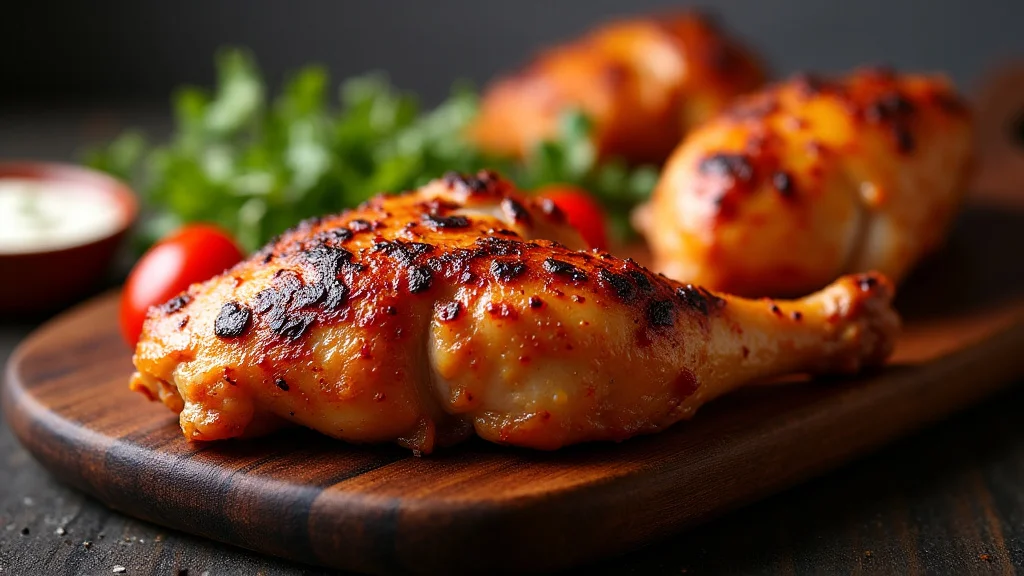
Picture this: It’s a sunny Saturday, the smell of summer hangs in the air, and your friends are on their way over. You want to impress them with a fantastic meal, but the thought of complicated cooking has you a little stressed. Don’t worry, we’ve all been there! This guide is for anyone who loves the idea of bar b que chicken recipes but might feel a bit unsure where to begin. We’ll explore everything from choosing the best cuts of chicken to creating mouthwatering marinades and mastering the grill. By the end, you’ll be confident in your ability to whip up some truly amazing bar b que chicken that will have everyone coming back for seconds. This post is crafted to teach you some easy and useful grilling strategies.
Key Takeaways
- Learn to select the best cuts of chicken for grilling.
- Discover simple but flavorful marinade recipes.
- Master the techniques for grilling chicken to perfection.
- Explore different flavor profiles and recipe variations.
- Understand the importance of food safety when grilling.
- Find tips for cooking bar b que chicken for a crowd.
Choosing the Right Chicken for Bar B Que
The foundation of any great bar b que experience starts with selecting the right chicken. Not all cuts cook the same, and choosing wisely will significantly impact your final result. Consider your preferences and the amount of time you have to cook. Some cuts are more forgiving than others, especially for newer grillers. You’ll also want to think about the bone-in versus boneless debate, each presenting unique benefits for flavor and ease of cooking. Taking the time to select the appropriate parts of the chicken is an important step. This will contribute significantly to your grilling efforts.
Bone-In vs. Boneless Chicken: The Great Debate
The choice between bone-in and boneless chicken is a personal one. Bone-in chicken, such as thighs, legs, and even whole chickens, often offers superior flavor. The bone acts as a conductor of heat, helping the meat stay juicy. The presence of bones also contributes richness. Boneless cuts like breasts are convenient and cook faster, making them suitable for weeknight meals. However, they can dry out if overcooked. To mitigate dryness, consider brining, marinating, or using a meat thermometer to ensure the chicken is cooked to the proper internal temperature. Both choices are great, just depending on preference.
- Bone-in chicken parts generally have more flavor due to the bone’s impact on juiciness and flavor concentration during cooking.
- Boneless chicken cooks faster, making it a good choice for quick meals, but it requires closer attention to avoid drying out.
- Consider cooking time and skill level when deciding. Bone-in cuts are more forgiving, while boneless require more precision.
- The cut of the chicken directly influences the cooking time, and the flavor of the final product.
Popular Chicken Cuts for Grilling
Several cuts of chicken work great for grilling, each with its unique characteristics. Chicken thighs are a favorite due to their high-fat content, which keeps them juicy and flavorful, even at high heat. Chicken breasts are lean and versatile but can dry out if overcooked. Chicken legs and wings are budget-friendly and delicious, perfect for snacks or a party. Whole chickens are impressive to grill and yield tender meat. Understanding the characteristics of each cut will help you plan your bar b que menu and ensure everything cooks evenly.
- Chicken thighs are a great option because they offer lots of flavor and stay moist.
- Chicken breasts are lean and easy, but they can dry out.
- Chicken wings and legs are great for parties.
- A whole chicken, cooked on a grill, is a great centerpiece for any meal.
Sourcing Quality Chicken
The quality of your chicken significantly impacts the taste of your bar b que. Choose fresh chicken from a reputable butcher or grocery store. Look for chicken that is plump, with a light pink color and no off-putting smells. Check the sell-by date to ensure freshness. Consider buying organic or free-range chicken, which often has a better flavor due to how the chickens are raised. Store your chicken properly in the refrigerator before grilling to maintain its quality and prevent bacterial growth. Freshness and quality should be a priority.
- Always buy fresh chicken from a trusted source.
- Look for chicken with a good color and no unpleasant smells.
- Consider organic or free-range options for better flavor.
- Store your chicken carefully to maintain freshness and safety.
Marinades and Rubs: Flavor Amplifiers for Bar B Que Chicken Recipes
Marinades and rubs are essential for infusing flavor and tenderizing chicken. Marinades are wet mixtures that include acidic components like vinegar or citrus juice, oil, and herbs. These acids help break down the proteins, making the chicken more tender. Rubs are dry mixtures of spices that create a flavorful crust on the chicken as it cooks. The right combinations can transform your bar b que chicken recipes, from sweet and smoky to spicy and savory. Experiment with different ingredients to find your favorite flavor profiles.
The Science Behind Marinades
Marinades work through a combination of chemical and physical processes. The acids in the marinade, such as vinegar, citrus juice, or yogurt, help to denature the protein in the chicken. This process makes the meat more tender. The oil in a marinade can help to transfer fat-soluble flavors and keep the chicken from drying out. Herbs and spices then add flavor, creating a delicious product. For optimum results, allow the chicken to marinate for a sufficient amount of time, usually from 30 minutes to overnight. Be sure to marinade in the refrigerator for food safety.
- Acidic components tenderize the chicken.
- Oil helps transfer flavor and prevent the chicken from drying out.
- Herbs and spices add flavor.
- Marinade time depends on the cut and size of the chicken.
Easy Marinade Recipes
Creating marinades is a simple process, allowing for great experimentation and creativity. A basic marinade can include olive oil, lemon juice, garlic, and herbs like rosemary or thyme. For a sweeter profile, try using honey or brown sugar. For a spicier taste, add chili flakes or hot sauce. Consider marinating your chicken in beer, which adds moisture and flavor. You can create different marinades to suit different tastes and dishes, each time creating a new culinary experience.
- Combine oil, an acid (such as lemon juice or vinegar), garlic, and herbs.
- Consider adding honey or brown sugar for sweetness.
- Experiment with spices like chili flakes for heat.
- You can also experiment with beer or other liquids for unique flavor.
The Art of Making Rubs
Rubs are a flavorful dry alternative to marinades, providing great taste and texture. Start with a base of brown sugar, salt, and black pepper. Then, add various spices such as paprika, garlic powder, onion powder, and chili powder. For a smokier flavor, consider including smoked paprika or chipotle powder. Rub the mixture generously on the chicken, ensuring it covers all sides. Allow the rub to adhere to the chicken for at least 30 minutes before grilling. This allows the flavors to meld and create a tasty crust on the surface of the chicken.
- Start with a base of sugar, salt, and pepper.
- Add spices like paprika, garlic powder, and chili powder.
- Use smoked paprika or chipotle powder for smokiness.
- Apply the rub liberally to the chicken before grilling.
Mastering the Grill: Techniques for Perfect Bar B Que Chicken
Grilling is more than just throwing chicken on a hot surface; it’s a craft. Learning the proper techniques will make your bar b que chicken juicy, flavorful, and safe to eat. Whether using a charcoal grill, gas grill, or smoker, the principles are the same: control the heat, use the right cooking methods, and be patient. Temperature control and an understanding of cooking times are critical for success. With practice, you’ll be a grilling master.
Setting Up Your Grill for Success
Proper grill setup is essential for achieving the best results. For charcoal grills, prepare your coals by lighting them in a chimney starter and distributing them evenly across the grill. For gas grills, preheat the grill to the correct temperature, and be sure to clean the grates. Make sure you have the right tools, like tongs, spatulas, and a meat thermometer. Depending on the size of your grill, set up a two-zone cooking system. This means having a hotter zone for searing and a cooler zone for indirect cooking. This system lets you cook the chicken evenly without burning the outside.
- For charcoal grills, light your coals in a chimney starter.
- Preheat gas grills and clean the grates.
- Have the right tools available, such as tongs and a meat thermometer.
- Set up a two-zone cooking system for even cooking.
Cooking Methods: Direct and Indirect Heat
Understanding the difference between direct and indirect heat is vital. Direct heat means placing the chicken directly over the heat source. This method is great for searing and getting a nice char on the chicken. Indirect heat involves placing the chicken away from the heat source and covering the grill. This method is best for slow cooking and cooking chicken through without burning it. Using a combination of both methods often yields the best results. Using indirect heat first, followed by direct heat for the final sear, often gives the best results.
- Direct heat sears the chicken, creating a nice crust.
- Indirect heat cooks the chicken slowly, helping it stay juicy.
- Combine both methods for the best results.
- Monitor the internal temperature to avoid overcooking or undercooking.
Maintaining Temperature and Cooking Times
Maintaining the right temperature and time is critical for cooking chicken safely and deliciously. Use a meat thermometer to ensure your chicken reaches an internal temperature of 165°F (74°C). Cooking times vary depending on the cut and thickness of the chicken, but, as a general rule, boneless chicken breasts cook faster than bone-in thighs. Keep an eye on the grill and adjust the heat as needed. Do not constantly open the grill lid, as this can cause the temperature to fluctuate. Patience is key. Let the chicken cook and enjoy.
- Use a meat thermometer to check the internal temperature.
- Cooking times depend on the cut and thickness of the chicken.
- Monitor the grill and adjust heat as needed.
- Avoid opening the grill lid too often.
Flavor Profiles and Recipe Variations for Bar B Que Chicken
Explore different flavor profiles and recipes. Expand your grilling capabilities by trying different marinades, rubs, and sauces. You can travel around the world with your recipes. From the tangy sweetness of a honey garlic marinade to the bold spice of a jerk rub, the possibilities are endless. Consider also the sauce: Sweet, spicy, or savory, sauces add extra flavor and moisture to your bar b que chicken recipes. Experimentation will allow you to find the tastes that you like best.
Classic Bar B Que Flavors
Several classic flavor combinations consistently deliver delicious results. The combination of smoky, sweet, and tangy is a favorite. This can be achieved through a combination of brown sugar, smoked paprika, and a touch of vinegar. Another popular combination is honey garlic. These flavors create a sweet and savory glaze. Experiment with these core flavors to start, then build on your successes. Consider also a classic southern-style recipe, which is both spicy and smoky. Choose your starting point and add variations.
- Smoky, sweet, and tangy flavors are always a hit.
- Honey garlic is a popular choice for sweet and savory dishes.
- Experiment with Southern-style rubs for a kick.
- Adjust the ratios of ingredients to match your preferences.
Global Inspirations
Incorporate global flavors to add variety to your grilling. Try a teriyaki marinade for an Asian-inspired flavor, using soy sauce, ginger, and garlic. Explore jerk seasoning for a taste of Jamaica. Add curry powder and coconut milk for a taste of the Far East. Mediterranean flavors, like lemon, olive oil, and herbs, can also transform your bar b que chicken. Explore different ingredients to create the flavor you want. Using different flavor profiles allows for the expansion of the menu.
- Use teriyaki marinade for an Asian-inspired flavor.
- Incorporate jerk seasoning for a taste of Jamaica.
- Explore Mediterranean flavors for a refreshing taste.
- Feel free to combine elements to create a flavor you love.
Sauces and Glazes
Sauces and glazes are essential for adding extra flavor and moisture to your chicken. Brush your favorite sauce on the chicken towards the end of the cooking process. This lets the sauce caramelize and create a flavorful crust. Consider creating a glaze with ingredients like honey, maple syrup, or brown sugar. If you prefer a spicy sauce, add some hot sauce or chili flakes. Avoid adding too much sauce at the start of cooking, as it can burn. Experiment with various sauces and glazes to find the one that you enjoy the most.
- Brush sauces on the chicken near the end of the cooking time.
- Create glazes using honey, maple syrup, or brown sugar.
- Add hot sauce or chili flakes for heat.
- Use the correct timing to avoid burning the sauce.
Food Safety and Bar B Que Chicken Recipes
Food safety is a very important part of bar b que chicken recipes. Always handle raw chicken carefully to prevent foodborne illness. Understand the basics of safe food handling, including how to safely store, prepare, and cook chicken. Following food safety practices will help keep your meal enjoyable and safe for everyone.
Safe Handling of Raw Chicken
Handling raw chicken requires care to prevent cross-contamination. Always wash your hands, utensils, and cutting boards with hot, soapy water after they come into contact with raw chicken. Use separate cutting boards for raw meat and other foods. Store raw chicken on the bottom shelf of your refrigerator to prevent juices from dripping onto other foods. Avoid washing raw chicken before cooking, as this can spread bacteria. By following these easy steps, you can help avoid cross contamination.
- Wash hands, utensils, and cutting boards thoroughly.
- Use separate cutting boards for raw meat and other foods.
- Store raw chicken on the bottom shelf of your refrigerator.
- Avoid washing raw chicken to prevent the spread of bacteria.
Internal Temperatures and Doneness
The internal temperature of chicken is the most important factor in food safety. Chicken must reach an internal temperature of 165°F (74°C) to be safe to eat. Use a meat thermometer to check the temperature in the thickest part of the chicken, away from the bone. If you don’t have a thermometer, make sure the juices run clear when the chicken is pierced with a fork. It is important to remember that undercooked chicken can cause foodborne illness. Check with a meat thermometer to ensure food safety.
- Cook chicken to an internal temperature of 165°F (74°C).
- Use a meat thermometer to check the temperature.
- Check the temperature in the thickest part of the chicken.
- Be sure to verify that the juices run clear.
Preventing Cross-Contamination
Preventing cross-contamination is critical for keeping food safe. Don’t reuse marinades that have come into contact with raw chicken. If you plan to baste the chicken with marinade while it is cooking, reserve some of the marinade before adding the chicken. Always wash your hands after handling raw chicken. Never place cooked chicken on a surface that has come into contact with raw chicken. These simple practices significantly reduce the risk of foodborne illnesses.
- Don’t reuse marinades that have touched raw chicken.
- Wash your hands after handling raw chicken.
- Keep cooked and raw chicken separate.
- Use clean utensils and cutting boards.
Bar B Que Chicken for a Crowd
Hosting a bar b que for a crowd requires some advance planning. Preparing food in large batches and utilizing efficient cooking methods will make your event successful. Proper planning and preparation will also make your day go smoothly, so that you can also enjoy the festivities. Consider the number of guests, the menu, and the logistics, to ensure everything runs smoothly. Planning ahead is the key to creating a memorable event.
Planning and Preparation
Before the event, plan your menu and create a shopping list. Determine how much chicken you will need per person and buy extra, just in case. Marinate or rub the chicken the day before to save time on the day of the bar b que. Prepare side dishes and sauces in advance. Set up your grilling station, ensuring you have all the necessary tools and equipment. Preparing in advance will significantly reduce the stress on the day of the event. Plan early to create a menu and list of what you need.
- Plan your menu and create a shopping list.
- Marinate the chicken the day before the event.
- Prepare side dishes and sauces ahead of time.
- Set up your grilling station for efficiency.
Efficient Grilling Techniques for Large Groups
Grilling for a large group requires efficient cooking methods. Consider using a two-zone cooking system on your grill, allowing you to cook a lot of chicken at once. Cook in batches, placing the cooked chicken on a warming rack while the rest cooks. If you have multiple grills, use them to cook different cuts of chicken simultaneously. Enlist the help of friends or family to assist with grilling and serving. Using these methods will help you prepare the chicken without issues.
- Use a two-zone cooking system for efficient grilling.
- Cook the chicken in batches.
- Use multiple grills if available.
- Get help from your friends and family.
Serving and Presentation
Serving and presenting your food adds to the overall bar b que experience. Keep the cooked chicken warm until it is time to serve. Use serving platters to present the chicken attractively. Provide a variety of sauces and condiments for your guests to choose from. Consider setting up a buffet-style serving area, allowing your guests to serve themselves. Don’t forget to provide utensils, napkins, and plates. A good presentation will improve the experience. Consider presentation as part of the overall experience.
- Keep the chicken warm until it’s time to serve.
- Present the chicken attractively on serving platters.
- Provide a variety of sauces and condiments.
- Set up a buffet-style serving area for your guests.
Common Myths Debunked
Myth 1: You need to flip chicken constantly while grilling.
In reality, frequent flipping isn’t necessary and can even make the chicken less juicy. The goal is to let one side cook long enough to develop a good sear before flipping. Flipping too often can prevent the formation of a nice crust and dries the chicken out. Typically, flipping every 5-7 minutes should suffice, depending on the heat level and the thickness of the chicken.
Myth 2: You should always rinse chicken before cooking it.
The truth is, rinsing raw chicken can actually spread bacteria around your kitchen. When you rinse chicken, the water can splash, and the bacteria can contaminate surfaces like countertops and sinks. It is safer to cook the chicken directly without rinsing it. Proper cooking temperatures will kill any bacteria present, so rinsing is unnecessary and can be dangerous.
Myth 3: You can tell if chicken is done just by looking at it.
You can’t always tell if chicken is cooked thoroughly just by looking at its color. The safest way to determine if chicken is cooked is by using a meat thermometer to check the internal temperature. Chicken needs to reach 165°F (74°C) in the thickest part to be safe to eat. The color is not a reliable indicator; always rely on a thermometer.
Myth 4: Marinades make chicken tender by breaking down the meat fibers.
Marinades do contribute to tenderness, but the science isn’t always as simple as breaking down fibers. Acidic marinades, like those using citrus or vinegar, do help denature the proteins on the surface of the chicken, which can make it softer. However, the true benefit of marinades is flavor infusion. They add moisture and taste, creating a more enjoyable experience.
Myth 5: All grilled chicken tastes the same.
This is completely untrue. The flavor of grilled chicken is determined by various factors: the cut of chicken, the marinade or rub, the type of wood or fuel used in the grill, and the cooking method. The variations of recipes, sauces, and cooking techniques lead to wide variations in taste, demonstrating that a successful grill master is more than simply following one recipe.
Frequently Asked Questions
Question: What’s the best way to prevent the chicken from sticking to the grill?
Answer: Make sure your grill grates are clean. Then, oil the grates with a high-heat cooking oil just before you put the chicken on. Also, avoid moving the chicken too soon. Let it cook for a few minutes before you try to flip it.
Question: How long should I marinate my chicken?
Answer: It depends on the recipe and the cut of chicken. Generally, 30 minutes to overnight in the refrigerator is a safe range. Boneless breasts can marinate for less time, while tougher cuts can go for longer. Always refrigerate when marinating.
Question: Can I reuse leftover marinade?
Answer: Never reuse marinade that has touched raw chicken, unless you boil it first to kill any bacteria. It is best to discard any leftover marinade to avoid cross-contamination.
Question: What temperature should I cook chicken at?
Answer: Aim for a grill temperature between 350°F (175°C) and 450°F (230°C). This allows the chicken to cook evenly and get a nice sear without burning.
Question: How can I tell if my chicken is fully cooked without a thermometer?
Answer: The only reliable way is to use a meat thermometer. However, if you don’t have one, you can check the juices. The juices should run clear when you pierce the chicken. Also, the internal temperature should be at least 165°F (74°C).
Final Thoughts
You now have the knowledge you need to start experimenting with bar b que chicken recipes. From selecting the perfect cut of chicken to creating mouthwatering marinades and mastering grilling techniques, you’re well-equipped to create some truly amazing meals. Remember that the best bar b que is a product of your unique preferences and willingness to experiment. Don’t be afraid to try different flavor combinations, adjust cooking times, and get creative with sauces and glazes. The more you explore, the better you’ll become at grilling. So, fire up that grill, gather your friends and family, and get ready to enjoy some delicious, home-grilled bar b que chicken. Happy grilling!