Picture this: you’re planning a special meal, and you want to impress your guests with something unique. Perhaps you’ve got some delicious bear meat ready to be cooked, or maybe you’re just looking for a new twist to liven up a classic dish. This post is for you! We’ll explore the delicious possibilities when you combine the rich taste of bear with the tangy zest of a homemade Burton W sauce. You’ll learn how to craft mouthwatering dishes that will have everyone asking for seconds. Get ready to explore exciting flavor combinations, cooking techniques, and recipe variations that elevate your cooking skills. By the end, you’ll be able to prepare some fantastic meals.
Key Takeaways
- Discover unique flavor profiles when combining bear meat with Burton W sauce.
- Learn various cooking methods to achieve tender and flavorful results.
- Explore essential ingredients and how to prepare them perfectly.
- Get detailed recipe guides, step-by-step instructions, and pro-tips.
- Find recipe variations for different cooking skill levels.
- Understand the historical context and culinary uses of the key ingredients.
Unlocking the Flavors of Bear and Burton W Sauce
The culinary combination of bear meat and Burton W sauce may sound unusual, but it presents an exciting opportunity to explore bold flavors. When prepared correctly, bear meat offers a unique richness that pairs beautifully with the tangy, savory notes of the sauce. This section explores why this pairing works so well and how the ingredients interact to create a truly memorable meal. We will also explore the historical context of both key ingredients and how they have evolved through the years. The goal is to provide you with insights into why this combination delivers such an extraordinary culinary experience.
The Unique Taste of Bear Meat
Bear meat has a distinctive, rich flavor that can vary depending on the animal’s diet, age, and lifestyle. This meat is often compared to a combination of venison and beef, but it can have a more intense, gamey quality. The key is in proper preparation. When cooked correctly, bear meat becomes tender and flavorful. One of the greatest challenges when cooking bear is that, if handled poorly, it can become tough and have a strong, undesirable taste. It is vital to take several precautions to ensure that you end up with a delicious meal. Always check with your local health guidelines to ensure compliance with all laws.
- Dietary Influences: The animal’s diet directly impacts the flavor. A bear that has consumed berries and honey will have a sweeter, more delicate taste compared to a bear that ate more fish.
- Meat Characteristics: Bear meat is typically lean and requires careful cooking to prevent it from drying out. Searing and braising are often preferred cooking methods.
- Proper Handling: Ensuring that the meat is handled properly is key. This includes proper storage, trimming, and thorough cooking to eliminate any potential health risks.
The Tangy Zest of Burton W Sauce
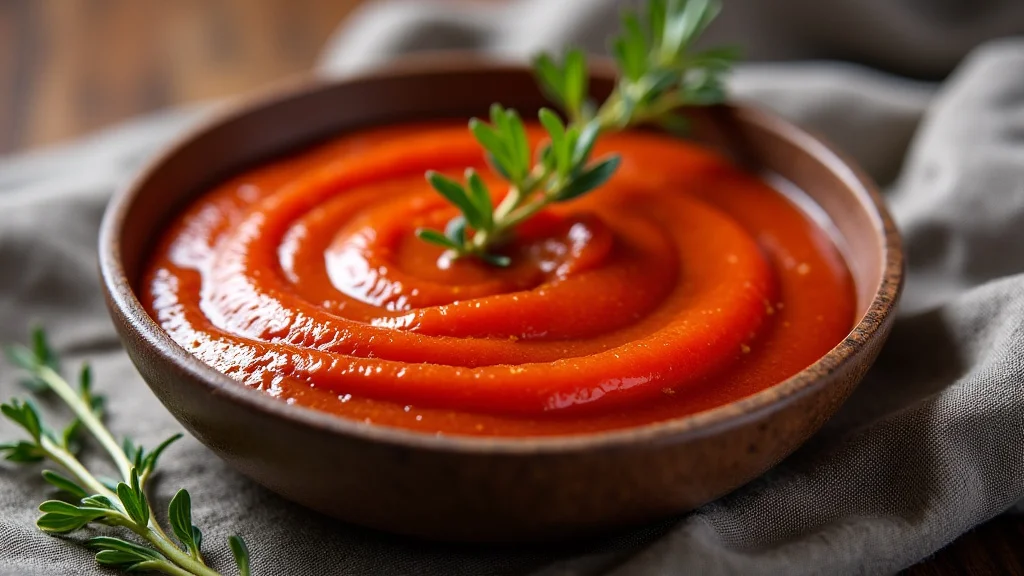
Burton W sauce is not just a condiment; it’s a flavor enhancer. The tangy notes provide the perfect counterbalance to the rich and intense flavor of bear. The sauce typically has a balanced blend of sweet, sour, and savory elements. The exact ingredients can vary depending on the recipe, but common components include vinegar, sugar, tomatoes, and various spices. The sauce adds depth to the dish and helps tenderize the meat during the cooking process. You will find that the best recipes are often closely guarded secrets, passed down through generations.
- Flavor Profiles: The combination of sweet, sour, and savory flavors provides a balanced flavor profile that complements the meat.
- Ingredient Breakdown: A great Burton W sauce contains vinegar, sugar, tomatoes, and a mix of spices, that give a complex and tasty sauce.
- Sauce Variations: Many variations of the sauce exist, allowing for different levels of tanginess, sweetness, and spice. Experimenting with these variations can lead to a customized culinary experience.
Synergy of Flavors
The magic of the bear and Burton W sauce recipes comes from the synergy between the two. The sweetness of the sauce helps balance the gamey flavor of the meat, while the acid helps to tenderize it. This creates a flavor profile that is both rich and refreshing. Careful preparation is key, as the sauce can also become the perfect marinade. The best chefs understand that the flavors in the sauce need to be balanced to complement the meat. It’s not just about the recipe, it is about the right techniques.
- Flavor Balance: The sauce’s sweetness cuts through the meat’s richness, preventing the dish from becoming overpowering.
- Tenderizing Effect: The acidity in the sauce helps break down the meat fibers, making the bear meat incredibly tender.
- Flavor Infusion: Marinades allow the meat to absorb the sauce’s flavors, creating a dish with a more complex flavor profile.
Recipe Essentials: Crafting Delicious Bear and Burton W Sauce Dishes
Creating exceptional bear and Burton W sauce recipes requires the right ingredients and cooking techniques. This section will guide you through the essentials, providing a solid foundation for your culinary adventure. From choosing the best cuts of meat to mastering the preparation of the sauce, we’ll help you acquire the skills to create mouthwatering dishes. We’ll explore step-by-step instructions, essential tips, and common challenges. By the end of this section, you’ll be ready to transform simple ingredients into a gourmet feast.
Choosing the Right Cuts of Bear Meat
Selecting the proper cut of bear meat is critical for a great dish. Some cuts are better suited for specific cooking methods. The choice you make depends on your preferred cooking technique and the desired outcome. Understanding the different cuts and their characteristics will ensure a dish that meets and exceeds your expectations. Always ensure the meat has been handled by a licensed professional to guarantee safe preparation.
- Shoulder Roast: This cut is ideal for slow-cooking methods like braising. It’s naturally flavorful but can be tough, requiring low, slow heat to break down the fibers.
- Bear Haunch: The haunch can be roasted or cut into steaks. Roasting the haunch whole creates a tender, juicy meal. Steaks are best when seared quickly over high heat.
- Ribs: Bear ribs are similar to pork ribs, and are perfect for grilling, smoking, or slow-roasting. They are a good option for people who like to start with a low heat and then increase the heat at the end.
- Ground Bear: Ground bear meat is an adaptable choice. It can be used in burgers, meatballs, or meatloaf, and combined with sauce to make a flavorful, satisfying meal.
Essential Ingredients for Burton W Sauce
The ingredients for Burton W sauce are often straightforward, but the quality of the ingredients plays a significant role in the final result. Freshness and balance are the keys to a flavorful sauce. This section will look at the essential ingredients and the impact they have on the taste and texture of the sauce. Finding the right balance between the elements is how you get great flavor. This is what separates an average dish from a meal that wows.
- Vinegar: Apple cider vinegar or white vinegar provides the essential tang. The type of vinegar used can alter the final flavor profile.
- Tomatoes: Canned tomatoes or fresh tomatoes, when in season, give the sauce its body. They also add a natural sweetness.
- Sugar: Sugar balances the acidity of the vinegar and tomatoes. Brown sugar or white sugar can be used, depending on the desired sweetness.
- Spices: A variety of spices, such as garlic powder, onion powder, and paprika, add depth to the sauce. Experimentation is important to find the right combination.
Step-by-Step Recipe: Bear Roast with Burton W Sauce
Here’s a step-by-step guide to create a delicious bear roast with Burton W sauce. This recipe highlights the combination of slow-cooking techniques and flavorful sauce, resulting in a tender, savory dish. This is a reliable recipe and it will make your meal a success. Carefully follow the directions, and you’ll find it is easy to cook.
- Prep the Bear Roast: Trim excess fat from a bear shoulder roast. Season generously with salt, pepper, and your favorite spices.
- Sear the Roast: Sear the seasoned roast in a hot pan to seal in the flavors.
- Prepare the Sauce: In a separate pan, prepare your Burton W sauce, adding all ingredients to the pot, and simmering gently.
- Braise the Roast: Place the seared roast in a slow cooker and pour the prepared Burton W sauce over it. Cook on low heat for 6-8 hours, or until tender.
- Shred and Serve: Shred the cooked roast and serve with the sauce. Garnish with fresh herbs.
Cooking Methods: Mastering Bear Meat and Burton W Sauce Techniques
To prepare bear and Burton W sauce recipes effectively, understanding different cooking methods is essential. This section focuses on a range of techniques, from braising and grilling to slow-cooking and smoking. Each method brings out unique flavors and textures in the meat, while the sauce enhances the experience. We’ll explore techniques to help you master these techniques and achieve culinary success. These techniques work well with any type of meat.
Braising for Tender Results
Braising is an excellent method for cooking bear meat, particularly tougher cuts like the shoulder roast. This technique involves slow-cooking the meat in liquid. Braising uses the combination of dry-heat searing and moist-heat cooking. The Burton W sauce is the liquid in which the meat is braised, allowing the meat to absorb flavors while becoming extremely tender. The prolonged cooking time breaks down the tough fibers, making the meat easily shreddable.
- Sear First: Sear the bear meat on all sides to create a flavorful crust.
- Low and Slow: Cook the meat in the sauce over low heat for several hours.
- Temperature Control: Maintain a consistent low temperature to avoid overcooking.
- Liquid Level: Ensure the meat is partially submerged in the sauce to stay moist.
Grilling for Smoky Flavors
Grilling bear meat can impart a smoky flavor that is amazing. The key is to control the heat and prevent the meat from drying out. A good marinade will protect the meat and enhance the flavors. This method is best for steaks or cuts that are naturally tender. Using a Burton W sauce as a marinade before grilling adds an extra dimension of flavor.
- Marinade: Marinate the bear meat in a Burton W sauce for several hours.
- Heat Control: Use medium heat to prevent the meat from burning.
- Internal Temperature: Cook to the recommended internal temperature for bear meat.
- Resting: Allow the meat to rest after grilling to retain juices.
Slow-Cooking and Smoking for Enhanced Flavor
Slow-cooking and smoking are fantastic ways to cook bear meat. These techniques let the meat absorb flavors over an extended period. The low and slow cooking process ensures that even the toughest cuts become tender and juicy. The Burton W sauce can be used in the slow cooker or as a baste during smoking. This makes the meat flavorful and creates an awesome meal.
- Slow Cooker Setup: Use a slow cooker to cook the meat with the sauce for several hours.
- Smoker Control: Maintain a low and consistent temperature in the smoker.
- Basting: Baste the meat with more sauce during the cooking process.
- Smoke Ring: Smoking adds a smoky ring to the meat.
Recipe Variations: Exploring Different Bear and Burton W Sauce Dishes
There are many ways to get creative with bear and Burton W sauce recipes. This section will explore the possibilities, from classic dishes to modern twists. The versatility of bear meat, combined with the adaptable flavors of Burton W sauce, allows for a wide array of options. Whether you prefer a familiar dish or you wish to experiment, this section provides ideas to make meals that are both delicious and unique.
Classic Bear and Burton W Sauce Recipes
Classic dishes are a great starting point for any culinary exploration. These recipes highlight the traditional flavors and cooking techniques to bring you amazing food. These recipes showcase the fundamentals. They offer a great foundation for your own cooking adventures.
- Bear Stew: A hearty stew made with bear meat, vegetables, and a flavorful Burton W sauce. The slow cooking process ensures tender meat and rich flavors.
- Bear Burgers: Ground bear meat patties, seasoned and cooked, then served with Burton W sauce. These burgers deliver a taste of the wild with every bite.
- Bear Ribs with Burton W Sauce: Bear ribs are slow-cooked to tender perfection and coated in a flavorful Burton W sauce.
- Bear Meatballs: A great dish with ground bear meat, mixed with spices, then cooked in Burton W sauce.
Modern Twists and Fusion Dishes
Let’s have some fun and explore the fusion of bear meat and Burton W sauce. These dishes merge traditional flavors with modern techniques. These recipes will show you how to blend cultures, create exciting flavor combinations, and make truly unforgettable meals. The sky’s the limit when you’re being creative.
- Bear Tacos: Shredded bear meat in a Burton W sauce, served in tortillas. Add your choice of toppings for the ultimate taco experience.
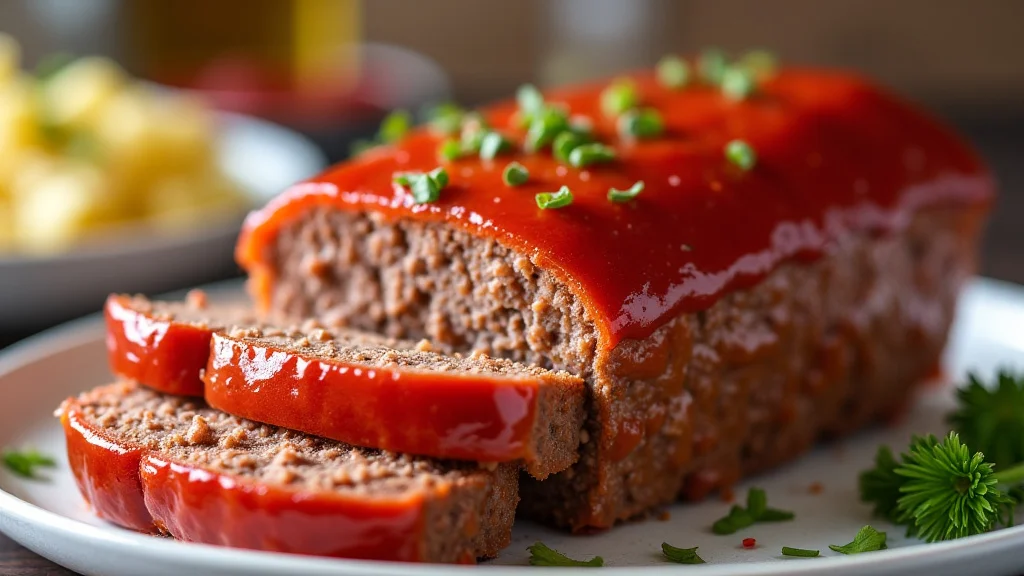
- Bear Meatloaf with Burton W Sauce Glaze: A classic meatloaf recipe with ground bear meat, topped with a flavorful Burton W sauce glaze.
- Bear and Burton W Sauce Pizza: A pizza topped with bear meat and Burton W sauce.
- Bear Chili with Burton W Sauce: Bear meat with beans and a rich Burton W sauce.
Serving Suggestions: Enhancing the Culinary Experience
Presenting your bear and Burton W sauce recipes adds to the overall experience. The right sides, garnishes, and presentation can turn a simple meal into something special. This section will explore how to take your dishes to the next level. Let’s delve into some great side dishes, garnish suggestions, and presentation ideas. The smallest things can sometimes make the biggest difference.
Complementary Side Dishes
The correct side dishes can enhance the flavors of bear meat and Burton W sauce. The perfect sides balance the richness of the meat with fresh, vibrant flavors. Here are some suggestions for side dishes that complement your meals. These sides are easy to make and the perfect partner for your main dish.
- Mashed Potatoes: Creamy mashed potatoes are an ideal side to absorb the sauce.
- Coleslaw: Coleslaw adds a refreshing crunch that balances the richness of the meat.
- Roasted Vegetables: Roasted vegetables like carrots, potatoes, and onions complement the dish with their natural sweetness.
- Green Salad: A simple green salad provides a fresh contrast to the rich flavors.
Garnish and Presentation Ideas
Garnishes and presentation are the final touch in elevating your dish. Simple additions can make your meal visually appealing. Whether you prefer a rustic look or a modern presentation, these suggestions will help you make a meal that will impress. Let’s explore some garnish suggestions, presentation styles, and ways to enhance the visual appeal of your dishes.
- Fresh Herbs: Fresh herbs such as parsley or chives add color and freshness.
- Sliced Vegetables: Sliced onions, tomatoes, or peppers can be used for garnish.
- Sauce Drizzle: Drizzle extra Burton W sauce on the plate to enhance the presentation.
- Creative Plating: Arrange the meat, sides, and garnishes artfully.
Common Myths Debunked
Myth 1: Bear meat is always tough and gamey.
Reality: While bear meat can be tough if not prepared correctly, it doesn’t have to be. The tenderness and flavor depend on the cooking method, the cut of meat, and how well it is prepared. Proper handling, slow-cooking techniques, and using flavorful sauces like Burton W can transform the meat into a tender and delicious dish.
Myth 2: Burton W sauce is only for specific types of meat.
Reality: Burton W sauce is versatile and works well with many different meats. Its blend of sweet, sour, and savory flavors complements the richness of bear meat, enhancing the overall taste experience. You can use it as a marinade or a base for cooking. It is a great sauce for any type of meat.
Myth 3: Bear meat is unsafe to eat.
Reality: Bear meat is safe to eat as long as it is cooked to the proper internal temperature. Make sure you follow the guidelines and handle the meat with care. Cooking the meat thoroughly will eliminate any potential parasites or bacteria, making it safe for consumption. Be sure to check with local guidelines, as they may vary.
Myth 4: Bear meat requires complicated preparation.
Reality: Preparing bear meat can be as easy or complicated as you like. While some cuts benefit from specific techniques such as braising, many recipes are simple and straightforward. With the right instructions, anyone can make a delicious meal.
Myth 5: It’s hard to find bear meat.
Reality: The availability of bear meat varies by region. It’s important to familiarize yourself with any local regulations or restrictions. In areas where hunting is permitted, bear meat is often available from licensed hunters or butcher shops. It’s often possible to find sources through online resources and local markets.
Frequently Asked Questions
Question: What is the best way to tenderize bear meat?
Answer: Braising and slow cooking are excellent methods for tenderizing bear meat. These techniques break down the meat fibers, making it tender and easy to eat. Marinating the meat with a Burton W sauce can also help.
Question: Can I substitute any ingredients in the Burton W sauce?
Answer: You can adjust the Burton W sauce by experimenting with different types of vinegar or sweeteners. While the classic ingredients are most effective, swapping out ingredients is a great way to customize the flavor.
Question: What is the correct internal temperature for cooked bear meat?
Answer: Bear meat needs to reach an internal temperature of 165°F (74°C) to ensure it is safe to eat. Use a meat thermometer to make sure that the meat is cooked properly.
Question: Where can I find bear meat?
Answer: The availability of bear meat depends on where you live and the local regulations. It is possible to purchase bear meat from licensed hunters or butcher shops that specialize in wild game. Look online for more resources.
Question: Can I freeze bear meat?
Answer: Yes, you can freeze bear meat. Properly wrapping and freezing the meat can help to preserve it. When ready to cook, thaw the meat in the refrigerator.
Final Thoughts
Exploring bear and Burton W sauce recipes is a culinary adventure, filled with unique flavors and cooking possibilities. The rich taste of bear meat, when carefully prepared, pairs amazingly with the sweet and savory notes of Burton W sauce. From braising and grilling to slow-cooking, the cooking techniques are designed to bring out the best in both ingredients. Remember the importance of choosing the right cuts, mastering essential ingredients, and using garnishes. By understanding the essentials and the cooking techniques, you can start your own culinary exploration and create meals. Use these insights to start your own culinary exploration and elevate your dining experience. Enjoy the journey of cooking!