Picture this: you’re hosting a get-together, and you want to wow your guests with something easy yet impressive. You want something beyond the usual snacks, something that sparks conversation and satisfies everyone’s taste buds. What if I told you the answer lies in simple, delicious ball recipes? From sweet treats to savory bites, these little bundles of flavor are perfect for any event. This post will give you a detailed look at how to create various ball recipes, saving you time in the kitchen while guaranteeing satisfied smiles. You’ll learn how to customize them to fit any dietary need and how to make ahead for stress-free entertaining, ultimately gaining the confidence to be a culinary star.
Key Takeaways
- Discover a variety of easy-to-follow ball recipes for different occasions.
- Learn how to adapt recipes for specific dietary restrictions and preferences.
- Explore tips for making and storing ball recipes ahead of time.
- Find ideas for creative presentation and serving suggestions.
- Understand the science behind texture and flavor in ball recipes.
- Gain the confidence to create delicious and impressive treats at home.
Exploring the Versatility of Ball Recipes
Ball recipes, often overlooked, are a culinary superpower. They’re incredibly adaptable, allowing you to cater to any taste or dietary need. Whether you’re a seasoned cook or a kitchen newbie, these recipes offer a simple and satisfying way to create delicious, shareable food. They’re ideal for parties, snacks, or even quick lunches. The variety is immense, spanning sweet and savory options that can be easily modified to reflect seasonal ingredients or personal preferences. From the classic energy bite to sophisticated cheese and herb combinations, the possibilities are virtually limitless.
Sweet Ball Recipes: A Delightful Indulgence
Sweet ball recipes offer a fantastic way to satisfy a craving for something sweet without spending hours in the kitchen. These treats are easy to customize with different flavors, textures, and ingredients. Consider the base, which could be anything from dates and nuts to cake crumbs. You then introduce flavor enhancers like cocoa powder, vanilla extract, or spices. The beauty of sweet ball recipes lies in the freedom to experiment. Add-ins can include dried fruits, chocolate chips, nuts, seeds, or even sprinkles. The goal is to create a delightful, compact package of flavor that’s perfect for a quick snack or dessert.
- Energy Bites: A blend of oats, peanut butter, honey, and chocolate chips, perfect for a quick energy boost.
- Cake Pops: Cake crumbs mixed with frosting, dipped in chocolate, and decorated.
- Coconut Snowballs: Shredded coconut, condensed milk, and vanilla extract rolled in coconut flakes.
Energy bites are a fantastic way to get a quick dose of energy. Oats provide slow-releasing carbohydrates, while peanut butter offers protein and healthy fats. Honey acts as a natural sweetener, and chocolate chips add a touch of indulgence. Combine these ingredients, form them into balls, and you have a convenient and tasty snack. These are excellent for pre or post-workout fuel or a midday pick-me-up. The versatility of energy bites allows you to tailor them to your personal preferences. For instance, substitute almond butter or add chia seeds for extra nutrients. You can also experiment with different sweeteners or add-ins, such as dried cranberries or shredded coconut.
Cake pops are a fun, festive treat that is sure to please any crowd. Start with a baked cake, crumble it, and combine it with frosting. The frosting acts as the “glue” that binds the cake crumbs together. Roll the mixture into balls, insert a lollipop stick, and chill. Next, dip the chilled cake pops into melted chocolate or candy melts. This creates a smooth, delicious coating. Before the chocolate sets, you can add sprinkles, nuts, or other decorations. Cake pops are great for celebrations, parties, or simply to add some fun to your dessert table. The possibilities are endless when it comes to flavor and decoration. Consider using different cake flavors, frosting combinations, or customizing the decorations to match the theme of your event.
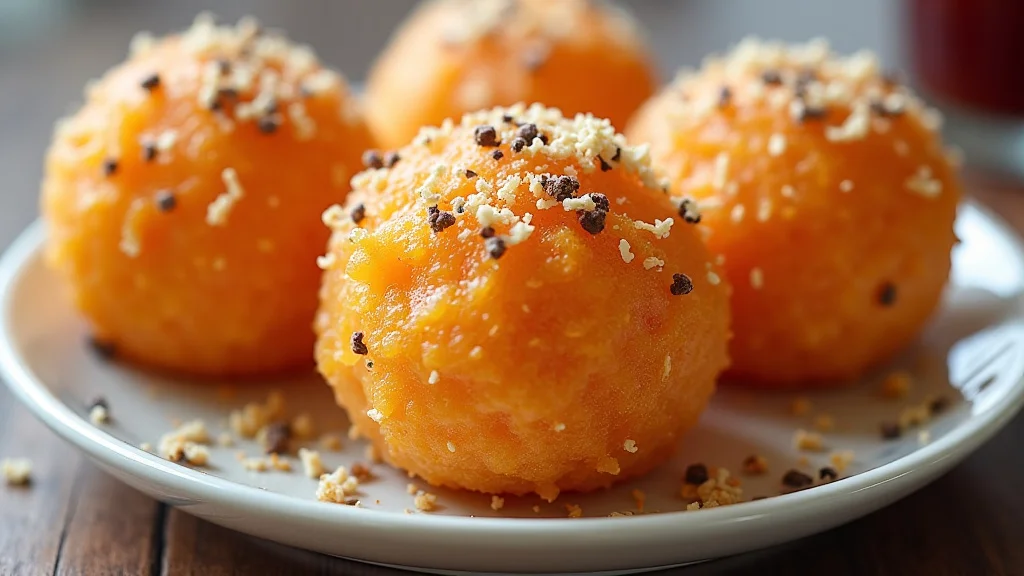
Coconut snowballs offer a refreshing and tropical taste that everyone will enjoy. Start with shredded coconut, a key ingredient that provides both flavor and texture. Mix the coconut with sweetened condensed milk and a touch of vanilla extract. The condensed milk is crucial, as it binds the ingredients together and adds sweetness. Vanilla extract enhances the flavor profile. Roll the mixture into small balls and coat them in additional shredded coconut for an attractive presentation. Chill the snowballs before serving to allow the flavors to meld and the texture to firm up. These are perfect for dessert, as a snack, or as a fun addition to a holiday treat spread. You can easily adjust the recipe by adding different extracts, like almond, or incorporating finely chopped nuts for added crunch.
Savory Ball Recipes: From Appetizers to Main Courses
Savory ball recipes are a fantastic way to add variety and deliciousness to your culinary repertoire. These recipes can range from simple appetizers to more complex main course options, and they are incredibly flexible. The base of a savory ball can vary from cheese and herbs to ground meat and vegetables. They offer a unique way to present flavors. They can be baked, fried, or served cold, and they’re always a hit at parties. Consider them when you’re seeking a simple yet effective way to serve your guests.
- Cheese Balls: A mixture of cheese, herbs, and spices, often served with crackers.
- Meatballs: Ground meat, breadcrumbs, eggs, and seasonings, cooked in a sauce.
- Falafel Balls: Ground chickpeas, herbs, and spices, deep-fried until golden.
Cheese balls are a classic appetizer that is always a crowd-pleaser. They are simple to prepare and offer a wide range of flavor possibilities. Start with a base of cream cheese or cheddar cheese, which provides the rich, creamy texture. Add herbs and spices like garlic powder, onion powder, and dried herbs to enhance the flavor. Some recipes may include nuts, such as pecans or walnuts, to add texture and crunch. After mixing all the ingredients, roll the mixture into a ball and chill in the refrigerator. Before serving, you can roll the cheese ball in more nuts or herbs. Cheese balls are excellent served with crackers, vegetables, or bread for dipping. The beauty of cheese balls lies in their customizability. Experiment with different cheese varieties, herbs, spices, and toppings to create unique and delicious combinations.
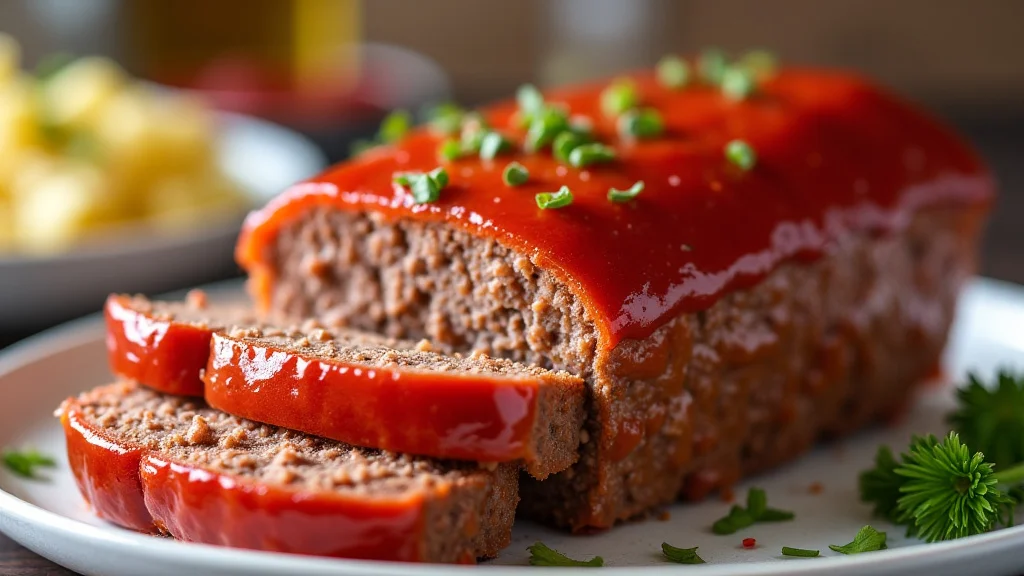
Meatballs are a versatile and beloved dish that can be served as an appetizer, a main course, or even as a filling for sandwiches. The basic recipe involves mixing ground meat (beef, pork, turkey, or a combination) with breadcrumbs, eggs, and various seasonings. Breadcrumbs help to bind the meat and add texture, while eggs help the mixture hold together. Seasonings like salt, pepper, garlic, and onion powder add flavor. Once the ingredients are mixed, roll the mixture into small balls. Then, you can bake, fry, or simmer the meatballs in a sauce, such as marinara or a creamy gravy. Meatballs are highly customizable. You can use different types of ground meat, experiment with various herbs and spices, or incorporate vegetables into the mixture. Consider serving the meatballs with pasta, mashed potatoes, or on their own as a party snack.
Falafel balls are a delicious and vegetarian-friendly option that hails from Middle Eastern cuisine. They are made from ground chickpeas (or fava beans), combined with fresh herbs, spices, and binding ingredients. The chickpeas are soaked and ground into a paste, which forms the base of the falafel. The herbs, typically parsley and cilantro, add freshness, and spices like cumin, coriander, and garlic powder provide a distinct flavor profile. After mixing all the ingredients, form the mixture into small balls and deep-fry them until they are golden brown and crispy. Falafel balls can be served in a pita pocket with tahini sauce, hummus, and fresh vegetables, or eaten as a snack. They are a good source of protein and fiber and are packed with flavor. You can adapt falafel balls to your liking by adjusting the spices, the herbs, or adding vegetables like onions or carrots.
Ingredient Selection and Flavor Combinations for Ball Recipes
Ingredient selection is the foundation of delicious ball recipes. Choosing high-quality ingredients can elevate the final result significantly. Consider the role each ingredient plays in terms of flavor and texture. Fresh ingredients, such as herbs and spices, will contribute the most vibrant flavors. Don’t be afraid to experiment with different flavor combinations to make the final product something to be desired. Consider the balance of sweet, savory, and spicy elements when combining ingredients. Your goal is to create a flavor profile that is both enjoyable and satisfying, keeping in mind the texture of the product.
Choosing the Right Base for Your Balls
The base is the backbone of your ball recipes. This is the foundation upon which the other ingredients are built, and it significantly impacts the final taste and texture. Consider your flavor profile and desired consistency when selecting a base. You can choose from various options, from simple ingredients to more complex ones, depending on your culinary goals. A well-chosen base should complement the other ingredients while providing the necessary structure to hold the ball together. It can be a simple base, like cream cheese, or a more involved option like cookie dough.
- For Sweet Balls: Consider dates, nuts, cake crumbs, or cookie dough.
- For Savory Balls: Consider cheese, ground meat, or chickpeas.
- Understanding Binding Agents: Eggs, honey, and condensed milk.
When creating sweet ball recipes, the base sets the stage for the dessert’s overall flavor and texture. Dates are a popular base for energy bites and provide sweetness and a chewy texture. They also bind ingredients, creating a cohesive ball. Nuts, such as almonds, cashews, or walnuts, add crunch, healthy fats, and flavor. Cake crumbs or cookie dough are excellent for cake pops or other sweet treats, providing a familiar base. These options deliver a classic sweet taste and a texture that works well with frosting or chocolate coatings. You may consider experimenting with different combinations of nuts, sweeteners, and add-ins.
The base of savory ball recipes should contribute a depth of flavor and structure that holds everything together. Cheese, in its many forms, serves as a rich, savory foundation. Ground meat offers a hearty, protein-rich base for meatballs or sausage balls. Chickpeas, ground or mashed, form the basis for falafel balls and add a slightly nutty flavor. When choosing your base, think about the other flavors you want to incorporate. For example, a creamy cheese base pairs well with herbs and spices, while ground meat works well with a flavorful sauce. Experiment with different spices or additional ingredients to find combinations you enjoy.
Binding agents are crucial for holding your ball recipes together and for giving them the right texture. Eggs act as a binder, creating a cohesive mixture for meatballs or other savory options. They also add richness and moisture. Honey works as a binder and natural sweetener, especially in energy bites. It provides a sticky texture that holds the ingredients together. Sweetened condensed milk is excellent for sweet balls, as it acts as a binder, sweetener, and gives a creamy texture. Adjust the amount of binding agent based on the other ingredients. Too much can make the mixture too wet, while too little will cause the balls to fall apart. Proper binding ensures that your balls hold their shape and stay together.
Flavor Enhancers and Add-Ins
Once you have your base, you’ll need the flavor enhancers and add-ins. This is where you bring the desired flavors to life. These elements add depth and complexity and let you tailor the recipe to your personal preferences. Choose ingredients that complement your base and other components. Consider a balance of flavors, such as sweetness, saltiness, spiciness, and umami. The best recipes result from a thoughtful combination of ingredients and an understanding of how they work together to create delicious results. Adding different spices, fresh herbs, or other unique additions is an excellent way to elevate any flavor profile.
- Spices and Herbs: Exploring different flavor profiles.
- Sweeteners and Flavorings: Balancing sweetness and depth.
- Adding Textural Elements: Nuts, seeds, and chocolate chips.
Spices and herbs are essential in creating flavorful ball recipes. They add depth, complexity, and personality to your creations. Cumin, coriander, and turmeric are excellent choices for Middle Eastern-inspired dishes. For Italian-style dishes, consider using basil, oregano, and rosemary. For sweetness, add cinnamon, nutmeg, or cloves. Fresh herbs, such as parsley, cilantro, and mint, can brighten the flavors and add freshness. Dried herbs offer a concentrated flavor. When using spices and herbs, experiment with different combinations to find those that are appealing to you. Start with small amounts and adjust the quantities based on your preferences. Combining different herbs and spices is a great way to add multiple layers of flavor to any dish.
Sweeteners and flavorings can be used to balance sweetness and add depth to your recipes. Honey, maple syrup, and agave nectar are natural sweeteners that bring flavor. Vanilla extract is a versatile flavoring agent that complements many sweet recipes. Citrus zest adds a bright, zesty note. Nut butters, such as peanut butter or almond butter, can enhance the flavor and create a richer texture. When adding sweeteners, consider the base of your recipe and the desired level of sweetness. Start with a small amount and adjust to your taste. Vanilla extract is often used, but experiment with other flavorings, such as almond extract or lemon extract. When combining sweeteners and flavorings, strive for a balanced profile, where all the flavors work together harmoniously.
Textural elements enhance the appeal of your ball recipes. Nuts, like almonds, walnuts, and pecans, add crunch and a pleasant texture. Seeds, such as chia seeds, flax seeds, and sesame seeds, add nutritional value and a subtle crunch. Chocolate chips or chunks bring a burst of sweetness. The combination of textures from nuts, seeds, and chocolate chips is delightful. When adding textural elements, consider the overall texture of the recipe and the desired end result. Too many elements can make the balls difficult to shape and eat, while too few can result in a bland, uninteresting product. Consider toasting nuts before adding them to enhance their flavor and texture. Experiment with different combinations of textures and see what you like best.
Tips for Success: Techniques, Storage, and Serving
Achieving success with ball recipes involves mastering techniques, understanding storage methods, and knowing how to present your culinary creations. From the correct way to mix and shape the balls to the ideal storage conditions to preserve freshness, a few key skills can make a big difference in the quality of your finished product. The presentation plays a significant role in creating a great product. The tips provided will help you create a delicious product and give you the confidence to become a master chef.
Mixing, Shaping, and Cooking Techniques
The mixing, shaping, and cooking techniques are the core of preparing ball recipes. Proper mixing ensures all ingredients are evenly distributed and that the final product holds its shape. Shaping the balls requires a gentle touch and even pressure, while cooking techniques vary depending on the recipe. Understanding these fundamentals will help you create consistent and appealing results. These techniques are essential to creating a visually appealing and satisfying product. These techniques will create a consistent product every time you work on your recipes.
- Mixing Techniques: Ensuring even distribution of ingredients.
- Shaping: Forming uniform balls.
- Cooking Methods: Baking, frying, and chilling.
When mixing ingredients for your ball recipes, aim for an even distribution of all components to guarantee a uniform flavor and texture throughout. For many recipes, a simple mixing technique with a spoon or spatula works well, but be careful not to overmix, especially when working with more delicate ingredients. Overmixing can toughen the dough or cause the ingredients to become too compacted. For recipes with tougher components, such as meats, using your hands to gently knead the mixture may be a good option. This helps to blend everything together effectively while still preserving some of the textures. Once you see that the components are well integrated, you know you’re finished.
The secret to beautifully shaped ball recipes is consistency in size and a gentle but firm touch. To form a ball, start by scooping the mixture, using a spoon or a cookie scoop for uniform portions. Once you have a suitable amount of mixture, gently roll it between your palms. Apply even pressure, and avoid pressing too hard. You should be able to create a consistent and smooth ball shape. If the mixture is too sticky, slightly dampen your hands with water or oil. This will prevent the mixture from sticking and help achieve a smoother shape. If a recipe contains add-ins, such as nuts or chocolate chips, try to evenly distribute them throughout the ball.
The cooking method chosen for your ball recipes plays a significant role in determining the final texture and flavor. Baking is a popular method, often used for meatballs, cheese balls, and sweet treats. The baking time depends on the size of the balls and the recipe. Frying is a common method for falafel balls or savory snacks. The high heat produces a crispy exterior and tender interior. Always use the appropriate oil temperature and keep an eye on the balls while they fry to prevent burning. Chilling is often an essential step, especially for no-bake ball recipes. Chilling firms up the mixture, allowing the balls to hold their shape and develop their flavors. Most sweet and savory recipes benefit from a chilling period.
Storage and Make-Ahead Tips
Proper storage and make-ahead strategies are key for creating a convenient and stress-free cooking experience. Storing your ball recipes correctly will keep them fresh and maintain their quality. Preparing your recipes in advance will save time and can be especially helpful when you’re hosting an event. You can enjoy your creations at their best by following these storage guidelines.
- Refrigeration: Guidelines for storing prepared balls.
- Freezing: Extending the shelf life of your creations.
- Make-Ahead Strategies: Preparing components in advance.
Refrigeration is critical for maintaining the quality and safety of your prepared ball recipes. Generally, most ball recipes can be stored in the refrigerator for up to 3-5 days. Always ensure your balls are stored in an airtight container or covered tightly with plastic wrap to maintain their moisture and prevent them from drying out or absorbing any odors from other foods. Label the container with the date. Avoid storing them near strong-smelling foods. Before serving, bring the balls to room temperature for the best flavor, or warm them in the oven for a few minutes if desired. This makes them fresh and tasty for your enjoyment.
Freezing your ball recipes is an excellent way to extend their shelf life and prepare them in advance. Most ball recipes freeze well for up to 2-3 months. To freeze, place the balls on a baking sheet and freeze them until solid. Then, transfer the frozen balls to a freezer-safe bag or container. This prevents them from sticking together. When ready to serve, thaw the balls in the refrigerator overnight or at room temperature for a couple of hours. This allows them to soften and develop their flavors. After thawing, you can reheat them in the oven, microwave, or serve them cold, depending on the recipe.
Embrace make-ahead strategies to save time and reduce stress, especially when entertaining. Many recipes can be partially prepared in advance, with the final assembly completed just before serving. For savory ball recipes, prepare the meatball mixture, cheese ball mixture, or falafel mixture a day or two in advance. Store the mixtures in the refrigerator until you are ready to shape and cook. For sweet ball recipes, consider preparing the base ingredients a day or two beforehand. For energy bites, pre-mix the ingredients, and for cake pops, bake the cake ahead of time and crumble it for easy assembly. By breaking down the tasks, you can enjoy your event while still providing great food.
Serving and Presentation Ideas
The presentation of your ball recipes can be just as crucial as the taste. Creative serving and presentation can elevate your creations and add a special touch to any event. Consider different serving methods and decorative elements to enhance the appeal of your dishes. The presentation is all about enhancing the visual appeal of your recipes and creating a delightful experience for your guests. From selecting the right serving dishes to adding decorative garnishes, a little creativity can go a long way.
- Serving Styles: Buffet, individual portions, and skewers.
- Garnishes and Decorations: Enhancing visual appeal.
- Pairing with Dips and Sauces: Complementing flavors.
There are several options for presenting your ball recipes to your guests. A buffet style is excellent for a party or get-together. Arrange the balls on a platter or serving dish and allow your guests to select what they like. Individual portions are perfect for elegant gatherings. Use small cups, cones, or skewers to serve individual portions, making it easier for guests to enjoy the balls. Skewers offer a visually appealing and interactive way to serve. Thread the balls onto skewers. Then arrange them on a serving platter. This method allows guests to pick and enjoy a variety of flavors and ingredients in one bite. You may also add a sauce or dipping option for added appeal.
Garnishes and decorations are a great way to elevate the visual appeal of your ball recipes and make them more festive. For sweet balls, consider using sprinkles, chopped nuts, or a drizzle of chocolate or glaze. For savory balls, you can use fresh herbs, chopped vegetables, or a dollop of sauce. The color and texture will make your dish look more appetizing. Use a variety of garnishes to add color and visual interest. Consider seasonal garnishes to tie your dish to the current time of year. For example, use festive sprinkles for holiday-themed ball recipes. The right garnishes and decorations are the key to presenting your ball recipes with style.
Dips and sauces can significantly enhance the flavors of your ball recipes and add an extra layer of taste. Choose dips or sauces that complement the flavors of the balls. For cheese balls, serve with crackers, crudités, or pretzels. For meatballs, serve with marinara sauce or a creamy gravy. For falafel balls, provide tahini sauce, hummus, or tzatziki. Presenting your sauces in small bowls or ramekins is visually appealing and makes it easy for guests to serve themselves. Consider offering a variety of dips or sauces to cater to different tastes. By selecting the right dips and sauces, you can transform a simple snack into an extraordinary culinary experience.
Common Myths Debunked
Myth 1: Ball recipes are all about sweet treats.
The reality is that ball recipes cover a diverse array of culinary creations, not just sweet treats. They encompass a wide variety of flavors and ingredients, from sweet to savory. The potential is vast. You can experiment with different combinations, ingredients, and spices to create dishes. Cheese balls, meatball recipes, falafel balls, and savory energy bites are just a few examples. These dishes demonstrate how versatile ball recipes are and can adapt to various tastes and dietary preferences.
Myth 2: Ball recipes are unhealthy and full of sugar.
The truth is that ball recipes can be both healthy and delicious. It depends on the ingredients you use. By choosing the right base and add-ins, you can make nutritious treats that are both fulfilling and beneficial. For instance, energy bites often include oats, nut butters, and seeds. These ingredients provide fiber, protein, and healthy fats. You can also customize recipes to accommodate specific dietary needs, such as gluten-free, vegan, or low-sugar options. By making informed ingredient choices, you can create a healthy and delightful treat.
Myth 3: Ball recipes are only for experienced cooks.
This is completely untrue. Ball recipes are generally simple to make. They are perfect for both beginner and experienced cooks. Most recipes have a few simple steps, like mixing the ingredients and shaping them into balls. You can usually make them with basic kitchen tools and equipment. The focus is on combining ingredients that produce a delicious result. With easy instructions and plenty of options, anyone can make these recipes. This allows everyone to enjoy and experiment with a wide range of flavors.
Myth 4: All ball recipes are time-consuming to prepare.
Many ball recipes are quick and easy to make, perfect for those with little time. Some recipes, like energy bites and cheese balls, require a few ingredients and minimal effort. You can put together ingredients and roll them into balls in just a few minutes. While some recipes may have more steps, such as meatballs or cake pops, the preparation can be broken down. Make-ahead strategies are also available. You can prepare parts of the recipe, like the base or the sauce, in advance. This saves time and makes it easier to get a complete product, especially when hosting or entertaining.
Myth 5: All ball recipes require a specific type of mold or special equipment.
Most ball recipes can be made with basic kitchen tools. You probably already have everything you need. Common equipment for the recipes is simply a mixing bowl, measuring cups and spoons, and your hands. For certain recipes, like cake pops, you may need lollipop sticks. But there’s no need for any specific molds or specialized equipment. This makes ball recipes accessible to anyone. These recipes are perfect for anyone looking for delicious treats without the need for sophisticated equipment.
Frequently Asked Questions
Question: Can I freeze ball recipes?
Answer: Yes, most ball recipes can be frozen to extend their shelf life. Ensure you freeze them on a baking sheet before transferring them to a freezer-safe bag or container to prevent them from sticking together.
Question: How long can I store ball recipes in the refrigerator?
Answer: Generally, most ball recipes can be safely stored in the refrigerator for up to 3-5 days. Always use an airtight container to maintain freshness.
Question: Can I adjust recipes to fit dietary restrictions?
Answer: Absolutely, many ball recipes are easily adaptable. You can use substitutes for ingredients such as gluten-free flours, vegan alternatives, and sugar substitutes.
Question: How can I prevent the balls from falling apart?
Answer: Proper binding is key. Ensure you use the right ratio of wet to dry ingredients. If the mixture is too dry, add a bit more liquid. If it’s too wet, add a bit more dry ingredients. Chilling also helps.
Question: What are the best serving ideas for ball recipes?
Answer: Serving styles vary depending on the recipe. They can be presented in a buffet style, individual portions, or on skewers. Serve with complimentary dips or sauces for added flavor.
Final Thoughts
Ball recipes offer a delicious and versatile solution for any occasion. Whether you’re looking for a quick snack, a party appetizer, or a delightful dessert, these compact bundles of flavor can satisfy any craving. You’ve explored a variety of recipes, from sweet energy bites to savory meatballs, each with endless possibilities for customization. You’ve uncovered the key components, the bases, and the flavor enhancers that will make your creations unforgettable. With the practical techniques and storage tips provided, you can confidently create and store these recipes, saving time and making entertaining a breeze.
Now, it’s time to explore, to experiment, and to get in the kitchen. Gather your ingredients, choose your recipes, and begin crafting delicious ball recipes to impress your loved ones. Don’t be afraid to experiment, tweak recipes to your liking, and enjoy the process. Be open to new ideas, and relish the satisfaction of creating something tasty and memorable. Your culinary journey awaits!